





One day your child comes home from school, tosses their backpack on the floor, and suddenly the conversation shifts. Not about homework or snacks, but about body odor. For many families, that is the moment natural deodorants for kids move from a vague idea to an actual shopping decision.
This stage can sneak up early. Some kids start needing deodorant well before the teen years, especially during sports, warmer weather, or the first signs of puberty. The goal is usually pretty simple: find something that helps with odor, feels easy to use, and fits the kind of ingredients you want in your home.
When natural deodorants for kids make sense
Kids do not need deodorant at a certain birthday. They need it when odor starts becoming part of daily life. For some, that is occasional and mild. For others, it becomes noticeable after recess, practice, or long school days.
That is why timing matters more than age labels. If your child is starting to feel self-conscious, asking questions about hygiene, or needing extra support after sweating, a natural deodorant can be a practical next step. It can also help turn personal care into a calm routine instead of an awkward correction.
Parents often want a product that supports everyday odor control without overcomplicating things. A clean-label deodorant can feel like a natural fit, especially if you already pay attention to what goes into skincare, bath products, or household basics.
What a natural deodorant actually does
A deodorant is meant to help manage odor. It is not the same as an antiperspirant, which is designed to reduce sweating. That difference matters when you are shopping for kids because expectations should stay realistic.
If your child sweats during gym class or on hot days, that is normal. A natural deodorant helps address the smell that can happen when sweat mixes with bacteria on the skin. It does not mean your child will stay completely dry, and that is okay.
For many families, that balance feels right. You are building a hygiene habit around odor control, not trying to stop the body from doing what it naturally does.
What to look for in natural deodorants for kids
The best choice usually comes down to three things: ingredients, format, and consistency. Parents shopping in this category often want aluminum-free options with straightforward ingredient lists and trust signals that make the decision easier.
A product with transparent formulation matters, especially when your child is using it every day. EWG Verified can be reassuring for households that want extra confidence in a product’s standards. Many shoppers also prefer deodorants that are paraben free, vegan friendly, and made without unnecessary extras.
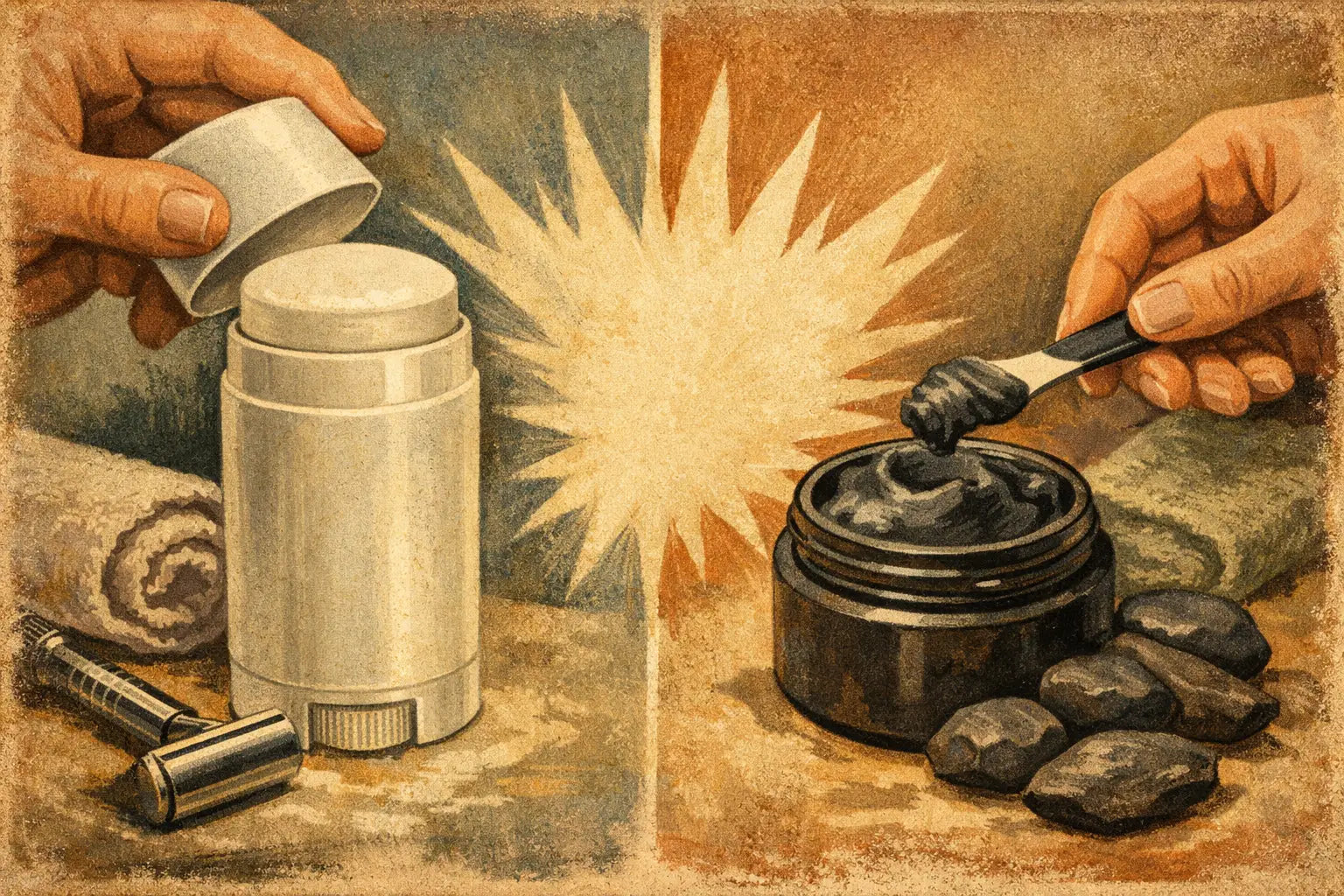
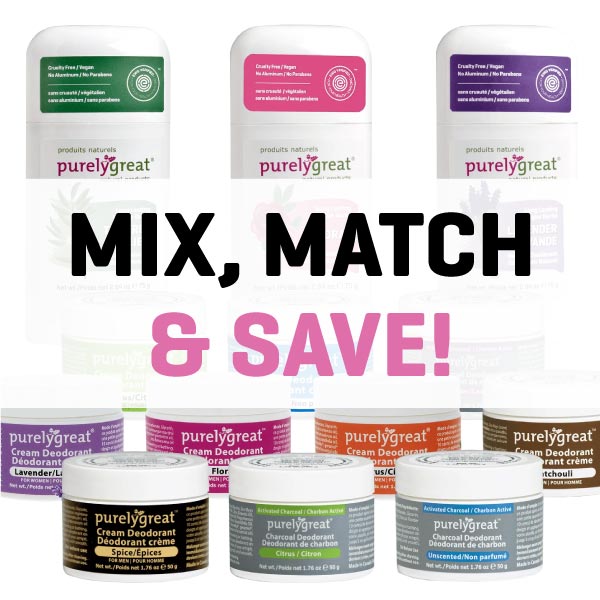
Format is more important than it first seems. Some kids do best with a stick because it feels familiar and fast. Others prefer a cream because it gives a little more control during application. There is no universal best option here. If your child is independent and wants something quick before school, a stick may be the easiest fit. If you are helping with the routine and want to start with a smaller amount, a cream can work well.
Scent is another decision point. Some kids like a light, fresh scent because it makes the routine feel more grown-up. Others want as little scent as possible. Unscented can be a good match for families who like a more minimal formula, while options like lavender, citrus, floral, tea tree, spice, or patchouli can appeal to kids who enjoy choosing products that feel personal.
Ingredients and expectations
When parents read labels, they are usually looking for two things at once: what is included, and whether the product still works in real life. That is where a well-made natural deodorant stands out.
Ingredient transparency should not feel like homework. You want to understand what you are buying and how it supports odor control. At the same time, no ingredient list matters much if the product sits unused under the bathroom sink.
That is why texture, scent, and ease of use matter almost as much as the formula itself. A deodorant that feels comfortable and simple is far more likely to become part of a daily routine. For kids, that routine is the real win. The best product is often the one they will actually remember to use.
Stick or cream: which is better for kids?
This depends on the child.
Stick deodorant tends to work well for busy mornings. It is familiar, tidy, and easy to swipe on before getting dressed. Kids who want more independence often like this format because it feels straightforward.
Cream deodorant can be a great option for families who are easing into the habit. Because you apply a small amount by hand, it can encourage a little more awareness of how much product is needed. Some parents also like that it makes the routine feel more intentional, especially when a child is just starting.
There is also a preference question. Some kids strongly dislike one texture and happily use another. If you are between formats, it is worth thinking about your child’s personality. The child who rushes through every step before the school bus may do better with a stick. The child who likes routines and takes their time may be perfectly happy with a cream.
Helping kids start without making it a big deal
The easiest way to introduce deodorant is to keep the tone matter-of-fact. Body changes are normal. Odor happens. Hygiene routines grow as kids grow.
You do not need a speech. A simple explanation is usually enough: this helps with underarm odor, and you use it on clean, dry skin. That keeps the focus practical instead of emotional.
It also helps to fold deodorant into an existing routine. After a morning wash, after brushing teeth, or before getting dressed are all natural moments. The less deodorant feels like a special event, the faster it becomes a habit.
If your child is hesitant, giving them some choice can help. Let them pick between a stick and a cream, or choose a scent they like. A little ownership often leads to better follow-through.
A few trade-offs worth knowing
Natural deodorants for kids can be a very good fit, but they are not magic. It helps to be honest about that.
First, odor control is not always one-size-fits-all. Activity level, body chemistry, weather, and how consistently the deodorant is used all play a role. A child in summer camp or back-to-back sports may need a quick reapplication more than a child with a quieter routine.
Second, the "best" scent is not always the strongest one. A pleasant scent can make deodorant more appealing, but the goal is still daily odor management, not heavy fragrance. Sometimes a lighter or unscented option is the better long-term match.
Third, switching to a natural deodorant works best when expectations stay practical. Clean underarms, regular bathing, and fresh clothes still matter. Deodorant supports the routine. It does not replace it.
Choosing a product you can feel good about
Parents shopping for kids usually want the same things they want for themselves: clear ingredients, dependable odor control, and a product that fits into everyday life without friction. That is why aluminum-free deodorants with clean-label positioning continue to stand out.
A brand like Purelygreat speaks to that balance well by offering multiple deodorant formats and scent options while keeping the focus on daily usability. For families trying to embrace a natural lifestyle without sacrificing effectiveness, that combination matters.
It also helps when the product fits the bigger picture of how you shop. Many households are not just replacing one deodorant. They are gradually building a lower-toxin routine across personal care and home essentials. In that context, choosing a natural deodorant for your child can feel like one small, sensible step rather than a major overhaul.
What parents usually need most
Reassurance, more than anything.
If your child needs deodorant, that is normal. If you want a cleaner option, that is reasonable. And if you are comparing formats, scents, and ingredient standards a little more carefully than you expected, that is normal too.
The right deodorant for your child is the one that helps them feel clean, confident, and comfortable using it every day. Start simple, pay attention to what they will actually use, and let the routine grow from there.