








A scent can feel perfect in the bottle and completely different once it meets your skin, deodorant, body care, and the pace of a real day. That is why learning how to layer essential oil blends is less about rules and more about building a scent that feels balanced, personal, and easy to wear.
If you already choose cleaner personal care, layering can make your routine feel more intentional without making it complicated. A well-layered blend does not need ten oils or a dramatic fragrance profile. Often, the best result comes from two or three notes that support each other and sit comfortably alongside the products you already use.
What layering essential oil blends actually means
When people talk about layering, they usually mean combining scents so they unfold over time instead of hitting all at once. With essential oil blends, that can happen in two ways. You can layer within one blend by combining different aromatic notes, or you can layer across your routine by pairing a blend with scented products you already wear, such as deodorant.
Both matter. A lavender blend may smell soft and grounded on its own, but next to a citrus cream deodorant it can become brighter and more energetic. A spice note may feel rich in the evening but too heavy for a warm afternoon unless it is softened with something floral or clean. The point is not to create the strongest scent. The point is to create a scent that wears well.
Start with your scent anchor
The simplest way to understand how to layer essential oil blends is to choose one anchor scent first. This is the note or blend you want to notice most. Everything else should support it.
For some people, that anchor is lavender because it feels calm, familiar, and easy to pair. For others, it is citrus for freshness, floral for softness, patchouli for depth, tea tree for a clean herbal edge, or spice for warmth. There is no universally right choice because body chemistry, climate, and personal preference all shape the final result.
Your anchor should also make sense in the context of your routine. If you use a lavender deodorant, a lavender-forward essential oil blend can create a smooth, consistent scent story. If you prefer an unscented deodorant, you have more room to let your oil blend stand on its own.
Think in light, middle, and deep notes
You do not need formal perfume training to layer well, but it helps to think in levels. Light notes are the first impression. They tend to feel fresh, crisp, or bright. Citrus usually lives here. Middle notes give the blend its personality and shape. Floral and lavender often sit in this space. Deep notes add staying power and warmth, which is where patchouli and spice can play a bigger role.
A balanced blend usually includes more than one level. If you use only bright notes, the scent may feel cheerful at first but disappear quickly. If you lean too hard on deep notes, it can feel heavy, especially during the day. Middle notes often act as the bridge that keeps everything wearable.
This is where trade-offs come in. A fresh citrus-forward blend may feel ideal after a shower or before work, but it will not wear the same way as a blend with patchouli or spice underneath it. On the other hand, a deeper blend may last longer yet feel too intense if you want something clean and understated. Layering helps you adjust without starting over.
How to layer essential oil blends with your daily routine
One of the most overlooked parts of layering is everything surrounding the scent. Your deodorant, your skin moisture level, and even the weather can change how a blend performs.
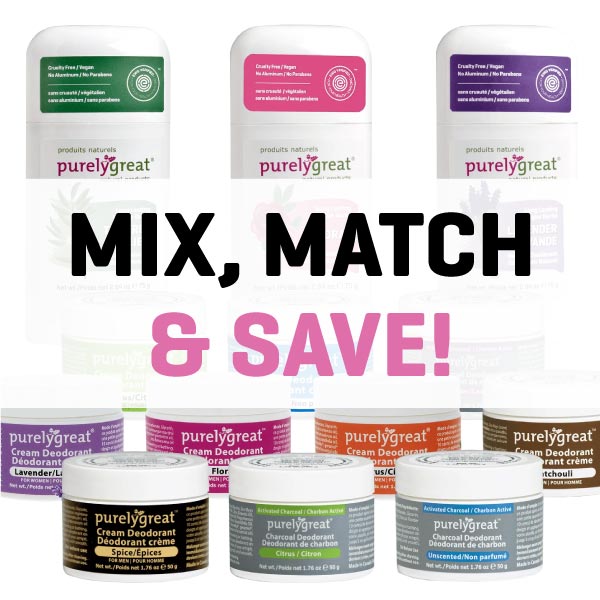
If your deodorant is scented, treat it as part of the blend rather than a separate product. Lavender deodorant can pair naturally with floral or citrus notes. Citrus deodorant can keep a blend feeling bright and clean. Spice and patchouli can add depth, but they usually work best when used with a lighter hand during the daytime. Unscented deodorant is the easiest base if you want your essential oil blend to be the main focus.
Skin condition matters too. Essential oil blends often hold differently on moisturized skin than on dry skin. Warm weather can make a deep scent feel stronger, while colder weather can flatten lighter notes. That is why a blend you love in winter may need a brighter top note in summer.
Build slowly instead of mixing everything at once
The fastest way to create a muddled scent is to chase complexity too early. Start with one blend or one dominant note, then add a second only if something feels missing. Usually that missing piece is freshness, softness, or depth.
If your blend smells flat, it may need a brighter note. If it feels sharp or fleeting, it may need a softer middle note. If it disappears too quickly, a deeper grounding note may help. That simple way of thinking is usually more useful than trying to memorize a long list of scent families.
It also helps to test your layering in real life rather than making decisions from the bottle alone. A scent can seem balanced at first and become too sweet, too herbal, or too strong after an hour. Give it time before adjusting.
Pairing common scent families without overdoing it
Some combinations tend to feel naturally easy to wear. Lavender and citrus often create a fresh, relaxed profile that works well during the day. Floral and lavender can feel soft and clean without becoming too powdery. Citrus and tea tree can come across especially crisp if you like a more energizing scent profile.
Patchouli and spice bring more depth, but this is where restraint matters. A little can make a blend feel grounded and lasting. Too much can overpower lighter notes or compete with the scent of your deodorant. If you enjoy those richer profiles, try pairing them with something airy so the result stays balanced.
This is also where your personal care choices matter. If your cream deodorant already has a strong scent presence, a bold essential oil blend may not need another deep note. If you use an unscented option, you can be more flexible.
When less layering is actually better
More scent does not always mean a better scent. Sometimes the cleanest result comes from keeping your routine simple. If you already use a floral deodorant and a scented body product, adding a complex essential oil blend on top can blur everything together.
In those cases, a minimal approach tends to feel more polished. Let one part of your routine lead and keep the rest soft. This is especially true if you want your scent to feel close to the skin rather than announcing itself across the room.
People often assume layering is about making fragrance last longer. It can help with that, but it is just as much about shaping the mood of the scent. Bright and light feels different from calm and grounded, even if both are subtle.
A simple way to test your blend
Test your scent in stages. First smell it right after application. Then check it again after 30 minutes and again a few hours later. That tells you whether the blend opens well, settles well, and still feels like you.
Pay attention to what changes. If the first impression is nice but the dry-down feels dull, your middle and deeper notes may need adjusting. If the opening feels too strong but the later scent is perfect, you may need less of the brightest note. This kind of testing is more practical than trying to judge a blend instantly.
It also helps to test one variable at a time. Change the deodorant scent or the essential oil blend, not both on the same day. Otherwise, it becomes hard to tell what is improving and what is clashing.
Making layering feel easy, not fussy
The best layering routine is one you will actually use. That usually means choosing scent pairings that fit your habits instead of treating fragrance like a separate project. If you already reach for lavender in your personal care routine, build from there. If you prefer a cleaner start, an unscented base gives you room to experiment without conflict.
For many people, a small scent wardrobe works best: something fresh for daytime, something softer for everyday wear, and something deeper for evenings or colder months. You do not need a large collection to create variety. You just need combinations that feel coherent on your skin and in your routine.
Purelygreat customers often think this way already. Cleaner personal care is not just about what you leave out. It is also about choosing products and scents that fit naturally into daily life.
Once you know your anchor, understand how bright and deep notes behave, and pay attention to what you are already wearing, layering becomes much more intuitive. The goal is not a perfect formula. It is a scent that feels clean, balanced, and genuinely yours when the day is actually happening.