





Reading a deodorant label should not feel like decoding a chemistry quiz before your morning coffee. If you have been searching for deodorant ingredients explained in plain English, the good news is that a natural deodorant formula is often easier to understand once you know what each ingredient is there to do.
A well-made deodorant is not just a random mix of oils, powders, and scent. Each ingredient has a job. Some help control odor. Some improve texture and glide. Some help absorb moisture. Some simply make the formula pleasant to use every day. When you understand that balance, shopping for a stick, cream, or charcoal cream becomes much more straightforward.
Deodorant ingredients explained by what they do
The easiest way to understand a formula is to group ingredients by purpose rather than memorize a long list. In natural deodorant, the most common roles are odor control, moisture absorption, skin conditioning, structure, and scent.
Baking soda is one of the key odor-fighting ingredients in these formulas. It helps create an environment where odor is less likely to develop, which is why it appears across the product line. If you are comparing labels, this is often one of the ingredients people recognize first, and for good reason - it plays a central role in everyday effectiveness.
Corn starch supports moisture absorption. Deodorant is not the same as an antiperspirant, so the goal is not to stop sweating. Instead, ingredients like corn starch help absorb wetness so underarms feel drier and more comfortable through the day.
Plant oils and butters help the product apply smoothly and feel comfortable on skin. Ingredients such as coconut oil and shea butter are often included to soften the formula and improve spreadability. They also help counterbalance powders so the product does not feel dry or crumbly.
Candelilla wax gives structure in stick formats. Without a wax component, a stick deodorant would not hold its shape well in the tube.
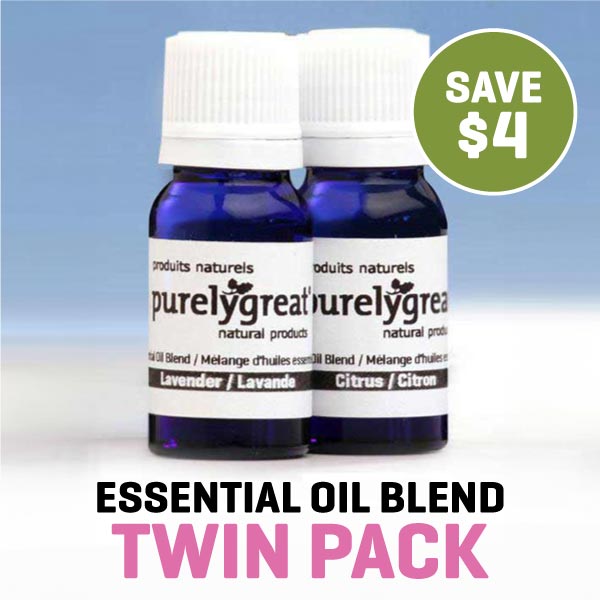
Essential oils are used for scent in the scented varieties. Lavender, tea tree, floral, citrus, patchouli, and spice each create a different experience, but scent is not only about preference. For many shoppers, choosing a deodorant they genuinely enjoy wearing is what helps them stay consistent with a natural routine.
Benefits of the Essential Oils we use in our deodorants:
- Lavender – soothes skin, balances hormones
- Patchouli – acts as a deodorant
- Tea Tree – antibacterial
- Cypress – balances perspiration
- Geranium – detoxifies, balances hormones
- Orange – stimulates lymphatic system, detoxifies
- Lime – detoxifies
- Grapefruit – lymph circulation, detoxifies
- Coriander – balances perspiration, inhibits skin fungus
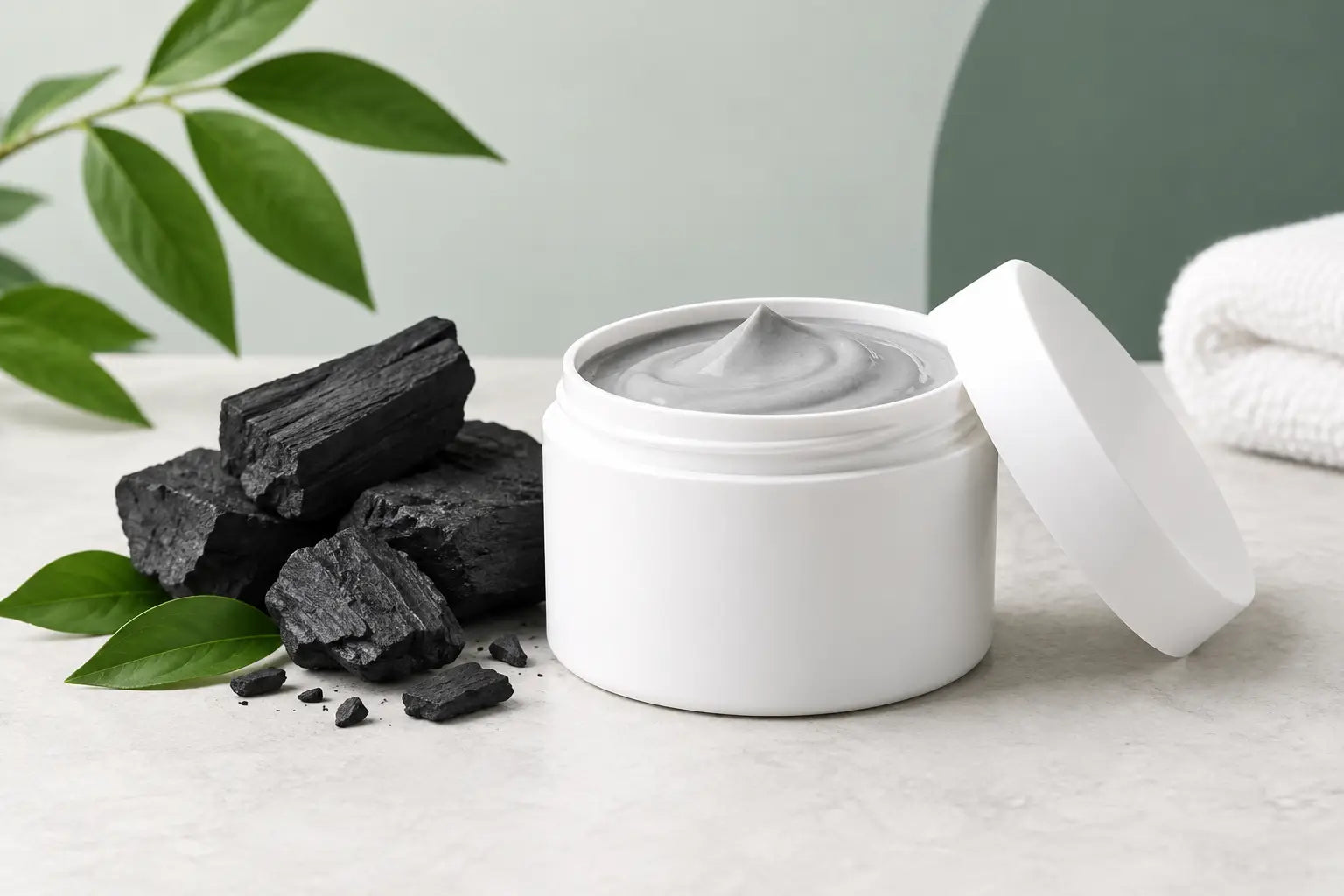
Activated charcoal appears in the charcoal cream deodorants. Known to be a powerful drying agent, It is included as part of that formula’s overall approach and gives the product its distinctive look and feel. For some customers, this format simply feels like the best fit within their daily routine.
Why ingredient transparency matters
For many people, the switch to natural deodorant starts with one simple question: what am I putting on my skin every day? That is why clear labeling matters. It gives you the chance to choose a formula based on what is actually inside, not just what is promised on the front of the package.
This is especially relevant if you are trying to build a lower-toxin personal care routine. You may be looking for aluminum-free deodorant, paraben-free ingredients, vegan-friendly formulas, or products made with a more conscious approach. Ingredient transparency helps turn those preferences into real shopping decisions.
It also builds trust. When a brand clearly shows what is in each product and keeps the ingredient list understandable, it becomes easier to choose with confidence rather than guesswork.
Understanding the base of a natural deodorant
When people talk about performance, they often focus only on the ingredient that controls odor. But the base formula matters just as much. The oils, waxes, and powders determine whether a deodorant feels smooth, soft, light, firm, creamy, or dry.
In a stick deodorant, the structure needs to be solid enough to stay in place while still gliding on easily. That is where a combination of oils, butters, powders, and candelilla wax works together. If one element is too dominant, the product might drag, melt too easily, or feel heavy.
In a cream deodorant, the texture can be more flexible. You are not relying on the product to hold a stick shape, so the formula can focus more on spreadability. Some people prefer this because it allows for a more customized amount during application.
Charcoal cream deodorant adds another layer to that texture story. It has a slightly different feel because of the activated charcoal in the blend. That does not automatically make it better for everyone - it just means it offers another option for people who like that format.
Deodorant ingredients explained across formats
If you are choosing between a stick, cream, and charcoal cream, the best option often comes down to how you want the product to apply.
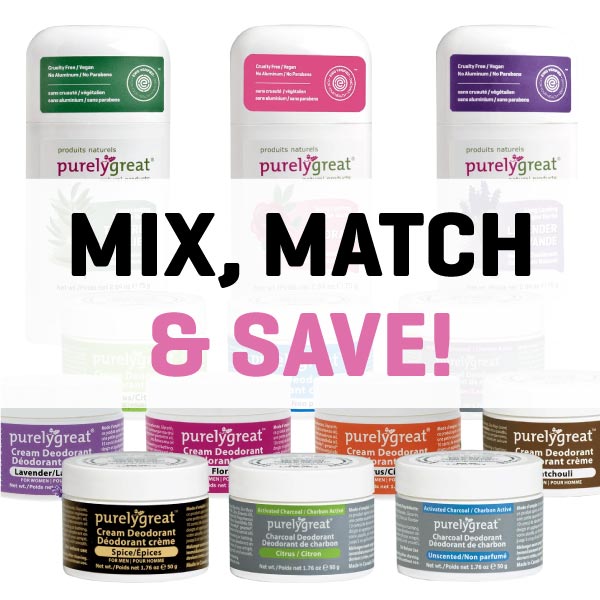
Stick deodorants are familiar and convenient. They are a great fit for anyone who wants a simple swipe-on routine with minimal fuss. Scents in this format include unscented, lavender, tea tree, floral, and spice, so you can choose between a more minimal option or something more aromatic.
Cream deodorants offer a softer texture and a little more control over how much you use. Some people enjoy the direct application because it helps them feel the product is evenly distributed. This format comes in unscented, citrus, lavender, floral, patchouli, and spice.
Charcoal cream deodorants bring in activated charcoal and are available in unscented, lavender, and citrus. For shoppers who already know they like a cream format but want something a bit different in feel, this can be an appealing choice.
The main point is that different formats can share a similar ingredient philosophy while still creating different user experiences. That is helpful because effectiveness matters, but so does finding a product you actually enjoy using every morning.
How to read a deodorant label without overthinking it
A simple way to read any label is to ask three questions. First, what handles odor? Second, what helps absorb moisture? Third, what makes the formula comfortable to wear?
In this case, baking soda is a key part of odor control, corn starch supports moisture absorption, and the oils, butters, and candelilla wax help shape the product’s texture and application. Then you can look at the scent profile and format to decide what best matches your routine.
If you prefer a minimal approach, unscented may be the easiest place to start. If you enjoy a more noticeable fragrance, lavender, citrus, floral, patchouli, spice, or tea tree can make daily use feel more personal. There is no universal best scent - it depends on whether you want something fresh, herbal, warm, or barely there.
What matters most when choosing a deodorant
Ingredient awareness is useful, but real-life use still matters. A deodorant can look great on paper and still not be the right choice for your preferences if you dislike the texture or scent. That is why the best decision usually comes from a mix of label reading and practical routine fit.
Some customers want the ease of a stick because it is quick and familiar. Others prefer a cream because they like a softer formula. Some are drawn to unscented because it keeps things simple, while others want lavender or citrus because scent is part of how they start the day.
There is also the bigger lifestyle picture. Choosing an aluminum-free deodorant that is EWG Verified, vegan friendly, cruelty free, and made in Canada may reflect more than one product choice. It can be part of a broader shift toward cleaner daily essentials and more thoughtful purchasing.
A clearer way to shop
When you see deodorant ingredients explained in plain language, the label stops being intimidating. You can spot the ingredients that help with odor, recognize the ones that absorb moisture, and understand why the formula feels the way it does in a stick, cream, or charcoal cream.
That kind of clarity makes it easier to choose what works for you now, not what sounds trendy. And once your deodorant feels simple to understand, building the rest of your everyday routine can feel a lot more natural too.