




Picking up a deodorant and seeing the words cruelty free can feel reassuring, but this is one of those labels that deserves a closer look. If you have ever wondered, can deodorant be cruelty free, the short answer is yes. The better answer is that cruelty-free deodorant depends on how a brand handles testing, ingredients, and overall product development.
For shoppers trying to move toward a cleaner daily routine, this matters. Deodorant is not an occasional purchase. It is something you use every day, often without thinking much about it once it becomes part of your routine. That makes it one of the most practical places to align personal care with your values.
Can deodorant be cruelty free in practice?
Yes, deodorant can be cruelty free, and many shoppers now expect it to be. In practical terms, cruelty free usually means the finished product and its ingredients are not tested on animals by the brand. But the phrase is only meaningful when it reflects the brand's actual practices, not just packaging language.
That is where some confusion starts. A deodorant can be aluminum free, vegan friendly, or made with recognizable ingredients and still leave questions about animal testing if the brand is not clear. Ethical shopping is rarely about one claim alone. It is about how several choices work together.
For deodorant, those choices include the ingredients selected, the way the formula is made, and whether the company is transparent about how the product is brought to market. If a brand is open about being cruelty free and vegan friendly, that gives shoppers a clearer picture of what they are buying.
What to look for when shopping
When you are standing in front of a product page or comparing labels, it helps to think beyond one buzzword. A cruelty-free deodorant should fit into a broader standard of ingredient transparency and practical daily use.
Start with the formula. A natural deodorant should be clear about what is inside. Purelygreat deodorants are made with ingredient-conscious formulas that include components such as coconut oil, candelilla wax, corn starch, baking soda, and essential oils depending on the scent and format. That kind of transparency matters because it helps shoppers understand not only what they are avoiding, like aluminum and parabens, but also what they are actually applying every day.
Next, look at trust markers that support a cleaner approach overall. EWG Verified is one example that many wellness-minded shoppers recognize. While EWG Verified is not the same thing as a cruelty-free claim, it does signal that a brand is taking formulation standards seriously. For many people, cruelty free is part of a bigger picture that includes ingredient clarity, vegan-friendly formulas, and products that feel safer and simpler to use.
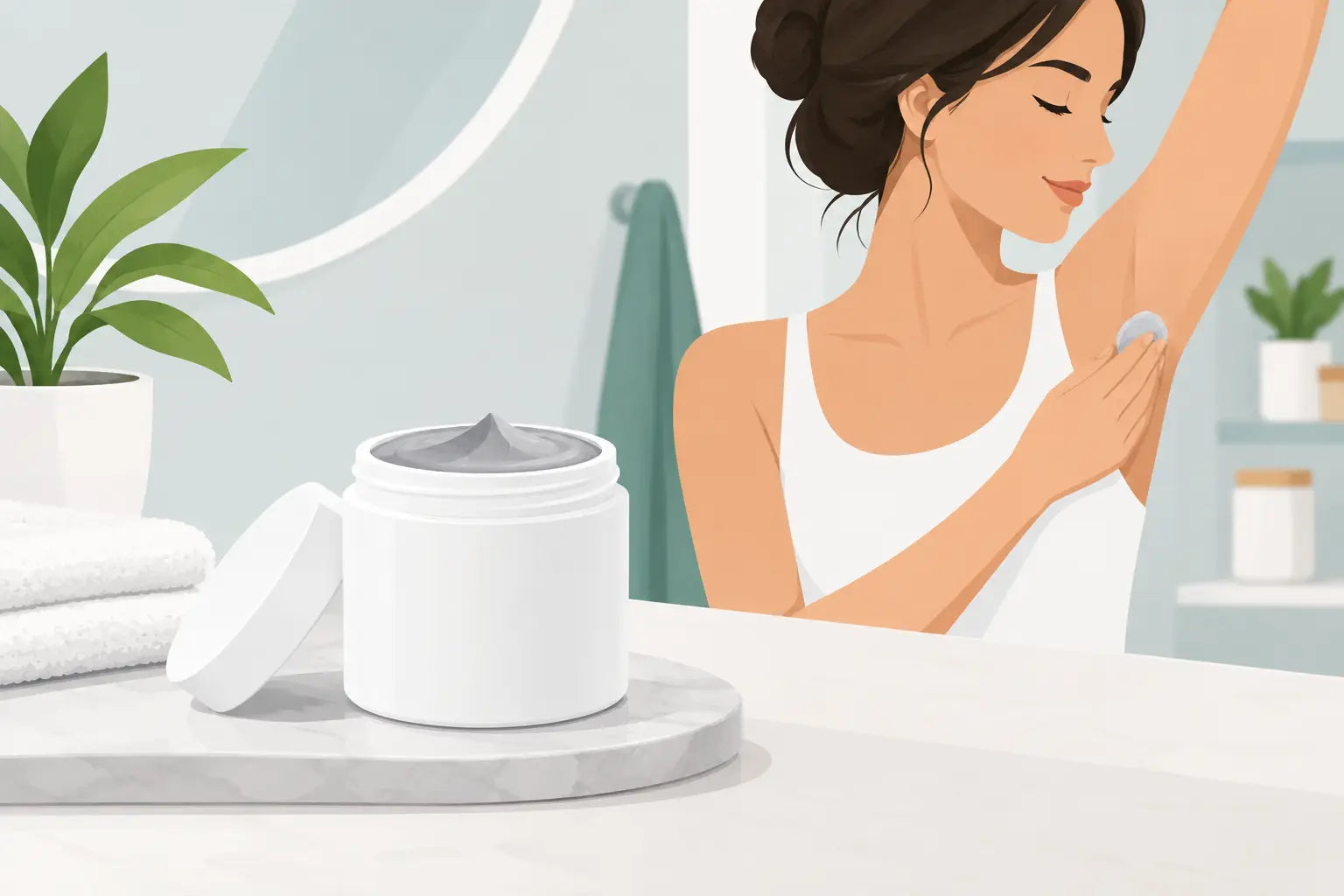
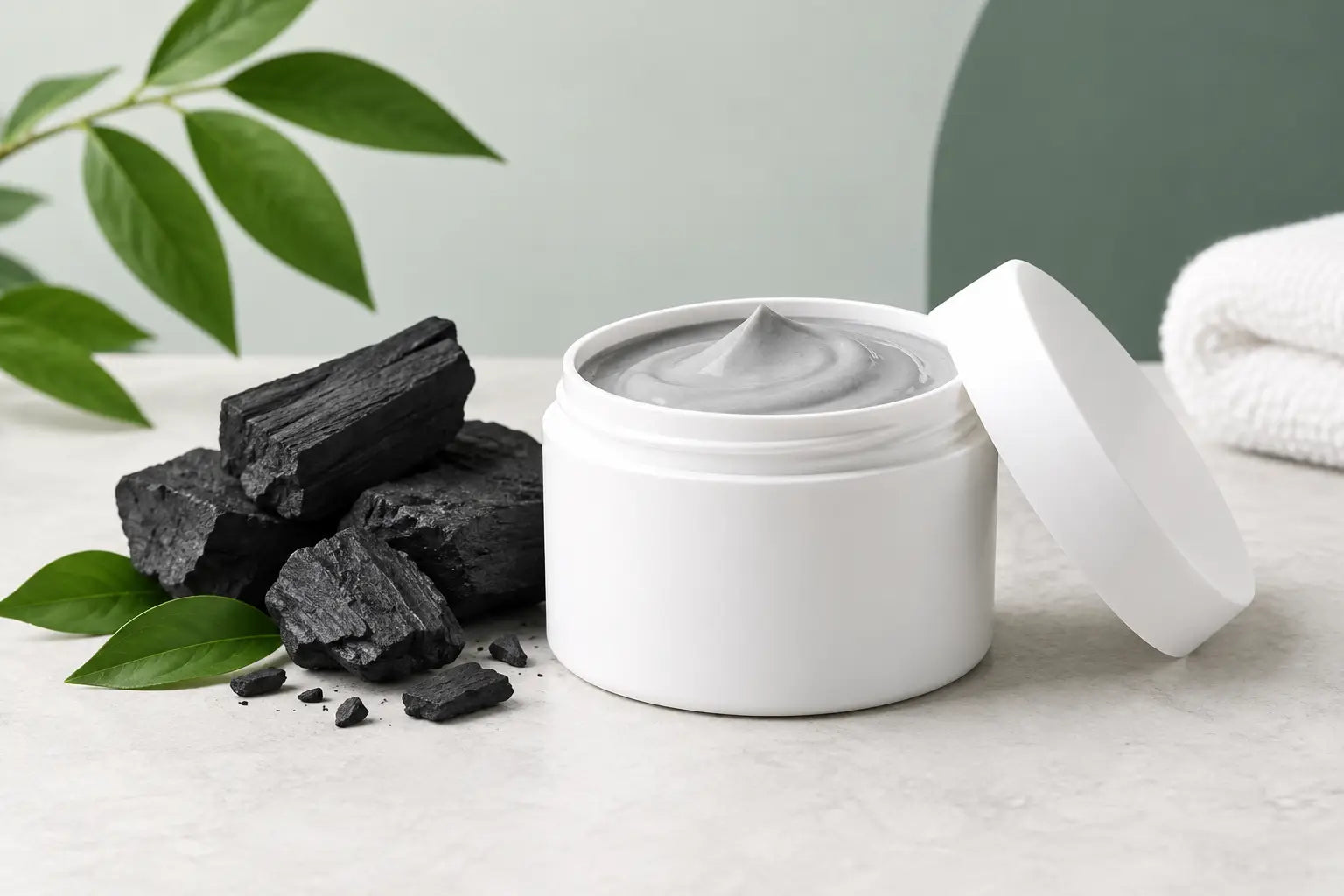
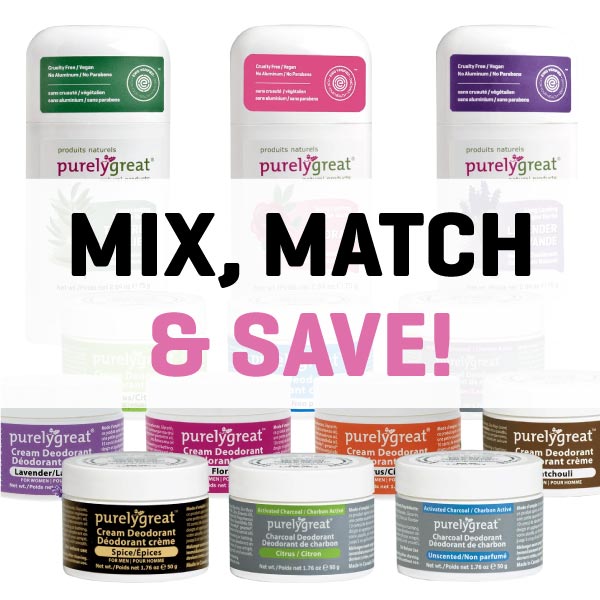
Then consider whether the brand offers real choice. A one-size-fits-all product can make ethical shopping feel limiting. A better experience is finding a cruelty-free deodorant that also works for your preferences, whether that means a stick deodorant, a cream deodorant, or a charcoal cream deodorant, and whether you want unscented, lavender, tea tree, floral, citrus, patchouli, or spice.
Cruelty free is not the same as natural
This distinction is worth making because shoppers often group these ideas together. A deodorant can be marketed as natural and still leave out clear information about animal testing. On the other hand, a cruelty-free deodorant may meet your ethical expectations but still not match your ingredient standards.
That is why many health-conscious shoppers look for both. They want a deodorant that avoids aluminum and parabens, uses straightforward ingredients, and aligns with cruelty-free values. They also want it to work in real life, not just read well on a label.
Natural personal care has moved well beyond niche shopping. People want daily products that feel easy to trust. A deodorant that is cruelty free and thoughtfully formulated fits that shift because it supports both wellness values and everyday practicality.
Why deodorant is a smart place to start
If you are building a low-toxin routine one step at a time, deodorant is a sensible product to switch first. You use it consistently, you notice quickly whether you like the texture and scent, and the difference in ingredient philosophy is often easy to understand.
Conventional deodorants can feel familiar simply because people have used them for years. But many shoppers now want an alternative that feels more aligned with a cleaner lifestyle. Choosing a cruelty-free deodorant can be part of that transition without making your routine more complicated.
This is especially true when the product line includes multiple formats. Some people prefer the ease of a stick. Others like the control of a cream deodorant. Others are drawn to charcoal cream deodorant for its feel and application style. Having those options makes it easier to stay consistent with a product that matches your values.
Can deodorant be cruelty free and still work well?
Yes, but this is where personal preference comes in. Effectiveness is not only about the claim on the label. It is also about finding the format and scent profile that fits your habits.
Natural deodorant works differently from antiperspirant because it is designed to help manage odor rather than block perspiration with aluminum. For many shoppers, that is exactly the point. They want odor control in a formula that feels cleaner and easier to feel good about using every day.
A cruelty-free deodorant should not ask you to choose between ethical values and practical performance. The best experience is when those two things work together. You find a scent you enjoy, a texture that fits your routine, and a formula you feel comfortable applying daily.
That is why choice matters so much. An unscented option can appeal to someone who wants the most minimal scent experience. Lavender or floral may feel more calming and familiar. Tea tree, citrus, patchouli, and spice offer their own character without turning deodorant into something complicated.
Questions worth asking before you buy
If you are trying to decide whether a deodorant is truly aligned with your standards, a few simple questions help. Is the brand clear about being cruelty free? Is it transparent about ingredients? Does it also offer wellness-minded benefits such as aluminum-free and paraben-free formulas? Does the product line give you options in texture and scent so the switch feels sustainable, not forced?
These questions matter because the best personal care products are the ones you will actually keep using. Ethics are part of the decision, but so is convenience. If a deodorant fits smoothly into your morning routine, feels good to apply, and supports the cleaner lifestyle you are building, you are much more likely to stick with it.
Can deodorant be cruelty free if the brand is also lifestyle focused?
Absolutely. In fact, that often makes the choice feel more natural. Brands that view deodorant as part of a broader wellness routine tend to understand that shoppers are not just buying one product. They are building a home and body care routine around clearer values.
That is why deodorant can become the entry point to something bigger. A person might start with a cruelty-free stick deodorant because they want a cleaner everyday option. From there, they often become more interested in ingredient transparency across the rest of their routine too. That kind of shift does not happen through marketing language alone. It happens when the product feels trustworthy, easy to use, and consistent with the rest of a wellness-focused lifestyle.
For many shoppers, the answer to can deodorant be cruelty free is no longer theoretical. It is a practical shopping standard. They expect a deodorant to be cruelty free, vegan friendly, aluminum free, and made with transparent ingredients. They also expect it to come in scents and formats that make daily use enjoyable.
That is a good change. It means personal care is becoming less about compromise and more about fit. When you find a deodorant that supports your values and works in your real routine, the switch stops feeling like a sacrifice. It just feels like a better everyday choice.
The simplest test is this: if a deodorant helps you feel confident, informed, and comfortable using it day after day, it is doing more than checking a label. It is supporting the kind of routine you actually want to keep.