




Standing in the deodorant aisle can feel overwhelming. You want a product that is safe, healthy, and actually works, but the long, confusing ingredient lists leave you guessing. What exactly are parabens and phthalates, and why should you avoid them? It’s a common frustration for anyone seeking a truly clean and effective deodorant that you can trust on your skin every single day.
This is where understanding the environmental working group deodorant ratings becomes your greatest tool. The EWG provides a clear, science-backed path to cut through the marketing noise and find products you can feel good about using. In this guide, we’ll break it all down for you simply and clearly. We will demystify the EWG's scoring system, so you know exactly what to look for on a label.
You’ll get a straightforward list of ingredients to welcome and others to avoid. Our goal is simple: to give you the knowledge to confidently choose a safe, natural deodorant that works. No more confusion, just pure confidence in your daily routine.
What Is the Environmental Working Group (EWG)?
When you choose a natural deodorant, you want to feel confident about the ingredients you’re putting on your body. But with so many labels and claims, it can be hard to know what’s truly safe. This is where the Environmental Working Group (EWG) comes in. It’s a non-profit, non-partisan organization dedicated to protecting human health and the environment.
The Environmental Working Group acts as a consumer watchdog, using the power of public information to protect public health. Their mission is simple: to empower people to live healthier lives in a healthier environment. They translate complex scientific data into easy-to-understand resources, helping you make informed choices about everything from the food you eat to the personal care products you use.
This mission extends to creating a safe and healthy home in every respect. Just as we avoid harmful chemicals in our products, many homeowners also seek professional help to manage pests safely, turning to specialists like Mosquito Assassin Pest Control LLC to protect their living spaces.
Why Trust the EWG for Deodorant Ratings?
The EWG’s ratings aren’t based on opinion. They are grounded in science, providing a trustworthy resource for anyone looking for a clean and effective environmental working group deodorant. Here’s why you can feel confident in their assessments:
- Expert Analysis: Their team of scientists, toxicologists, and researchers carefully analyzes product ingredients for potential health concerns.
- Science-Backed Data: Every rating is based on thousands of published scientific studies and data from credible government and academic sources.
- Complete Transparency: The EWG shows you exactly which studies and data points were used to create a product’s score, giving you full access to their methodology.
The EWG Skin Deep® Database Explained
One of the most powerful tools the EWG offers is its Skin Deep® database. This free online resource is designed to help you navigate the world of personal care products with ease. It contains safety ratings for over 80,000 products, from shampoo to sunscreen.
The goal of the Skin Deep® database is to fill the information gaps left by limited government regulation in the cosmetics industry. It gives you the power to look up a product or ingredient and instantly see its safety score, helping you avoid harmful chemicals and choose healthier, cleaner options for you and your family.
How the EWG Rates Deodorants: Decoding the Score
Navigating the world of clean beauty can feel complex, but the Environmental Working Group makes it simple. The EWG's Skin Deep® database uses a straightforward, two-part system to rate products, giving you the power to choose what’s best for your body. This score looks at two key factors: the potential hazard of each ingredient and how much scientific data is available. Understanding this system is the first step toward finding a safe and effective environmental working group deodorant.
The Hazard Score: 1-10 Scale
The core of the EWG rating is its 1-10 hazard score. This number, paired with a simple color code, tells you everything you need to know at a glance. The lower the number, the better.
- 1-2 (Green): These are the best choices. Products in this range are considered low hazard and are made with ingredients that have a minimal potential for health concerns.
- 3-6 (Yellow): This indicates a moderate hazard. These products should be used with caution, as they may contain ingredients with some known health concerns.
- 7-10 (Red): Products with a red score are considered high hazard. The EWG recommends avoiding these products due to ingredients linked to significant health issues like allergies or endocrine disruption. While major health concerns about ingredients like aluminum are often clarified by resources like this National Cancer Institute fact sheet, the EWG's high-hazard rating often flags other additives like undisclosed "fragrance" chemicals.
Data Availability: Why It Matters
Next to the hazard score, you'll see a rating for "data availability." This score doesn't measure safety-it measures knowledge. It tells you how much scientific research exists for an ingredient. A product with a low hazard score but "Limited" data means that while it seems safe, not enough research has been done to be certain. A "Robust" data rating provides the highest level of confidence, showing that an ingredient has been thoroughly studied.
EWG VERIFIED™ vs. a Low Score
A low score of 1 or 2 is great, but the EWG VERIFIED™ seal is the gold standard. This mark goes beyond a simple score. It means a brand has committed to full transparency and meets the EWG's strictest standards for health. To earn the seal, a product must avoid all of EWG's ingredients of concern, disclose every ingredient, and follow good manufacturing practices. When you see the EWG VERIFIED™ seal on an environmental working group deodorant, you can trust it is truly one of the cleanest and safest options available.
Common Deodorant Ingredients the EWG Flags as Concerning
Choosing a safe and effective deodorant is all about understanding what's inside the tube. A great environmental working group deodorant is defined as much by what it doesn't contain as what it does. The EWG's research helps consumers look past marketing claims and focus on the ingredients themselves. Here are some of the most common ingredients the EWG flags as concerning, empowering you to become an expert label-reader.
Aluminum Compounds
Found almost exclusively in antiperspirants, aluminum's job is to physically plug your sweat ducts to stop perspiration. While effective at keeping you dry, the EWG notes concerns over potential links to neurotoxicity and other health issues. This is why you'll find that all-natural deodorants are proudly aluminum-free, focusing instead on neutralizing odor.
Parabens (Propylparaben, Butylparaben, etc.)
Parabens are preservatives used to prevent the growth of bacteria and mold in cosmetic products. The EWG's primary concern is that they are potential endocrine disruptors, meaning they can mimic the hormone estrogen in the body. To spot them, look for ingredients ending in "-paraben" on the label, such as:
- Propylparaben
- Butylparaben
- Methylparaben
- Ethylparaben
Phthalates
Often used to help fragrances last longer, phthalates are another category of chemicals flagged by the EWG for their link to endocrine disruption. The challenge with phthalates is that they are rarely listed on ingredient labels. Instead, they can be hidden under the generic term "fragrance" or "parfum," making them difficult to avoid unless you choose fragrance-free products.
Fragrance / Parfum
This single word on an ingredient list can be a catch-all term for a complex mixture of potentially dozens of undisclosed chemicals. This is considered a "trade secret" loophole in the cosmetics industry. While companies are responsible for their product's safety, the lack of transparency is a major concern. According to the FDA safety regulations for personal care products, manufacturers are legally responsible for ensuring their products are safe, but this "fragrance" mixture can contain allergens, skin sensitizers, and potential hormone disruptors. Choosing products scented only with natural essential oils is a simple way to ensure a truly clean choice.
What to Look For: Ingredients in Safe, EWG-Friendly Deodorants
Instead of focusing on harsh chemicals, let's explore the powerful, natural ingredients that make a deodorant both safe and effective. The best EWG-friendly deodorants harness the power of nature to keep you fresh and confident. These simple ingredients are chosen for their purity and performance, earning them low hazard scores and our trust. They prove that natural deodorant actually works.
Odor Neutralizers and Absorbers
Effective odor and moisture control doesn't require aluminum or harsh chemicals. Nature provides simple and powerful alternatives that keep you feeling dry and smelling great, all day long.
- Baking Soda: A time-tested, all-natural odor neutralizer that actively works to keep you fresh.
- Magnesium Hydroxide: A gentle but effective alternative to baking soda, perfect for those with sensitive skin.
- Cornstarch or Arrowroot Powder: These natural, plant-based powders are fantastic at absorbing moisture, helping you feel dry and comfortable without blocking your pores.
Moisturizers and Skin Conditioners
Your underarm skin is delicate. The best natural deodorants include ingredients that soothe and nourish, preventing the irritation that conventional products can cause. Healthy skin is part of effective odor protection.
- Coconut Oil: Provides a smooth glide and is naturally antibacterial, offering an extra layer of protection while moisturizing the skin.
- Shea Butter: Rich in vitamins, this butter soothes and nourishes sensitive underarm skin.
- Jojoba Oil: This gentle oil closely mimics your skin's natural sebum, making it an excellent, non-greasy moisturizer.
Natural Scents
A great scent should come from nature, not a lab. A top-rated environmental working group deodorant will always use pure essential oils for fragrance, avoiding the vague and often irritating ingredient "parfum" or "fragrance" found on other labels. Popular choices include calming Lavender, cleansing Tea Tree, and uplifting Bergamot. While natural, it's good to remember that some essential oils can be irritating to very sensitive skin, so a patch test is always wise.
When you choose a deodorant made with these ingredients, you are choosing transparency and purity. Explore our collection of all-natural deodorants to see these powerful ingredients in action.
How to Choose the Best EWG-Rated Deodorant
Understanding the EWG's ratings is the first step. Now, it's time to put that knowledge into action. Choosing the right deodorant doesn't have to be complicated. This practical guide will help you confidently select a product that is safe, effective, and aligned with your healthy lifestyle.
Use the EWG's Tools
The Environmental Working Group provides powerful, free resources to help you make informed choices. Use these tools to simplify your search for a clean and safe deodorant.
- Download the Healthy Living App: Use your phone to scan a product's barcode right in the store for an instant safety rating and ingredient breakdown.
- Search the Skin Deep® Database: Before you shop, visit the EWG's website to research specific products or ingredients you're curious about.
- Look for the EWG VERIFIED™ Mark: This seal is your easiest tell. When you see it on a product's packaging, you can be sure it meets the EWG's strictest standards for health and transparency.
Read the Ingredient Label
Beyond the scores, the ingredient list tells a powerful story. Look for simple, recognizable ingredients you just learned about, like baking soda, shea butter, and essential oils. A key tip is to avoid products that list "fragrance" or "parfum" without specifying the source. The best brands are transparent, making it easy to understand what’s in your environmental working group deodorant.
Find a Brand That Aligns With Your Values
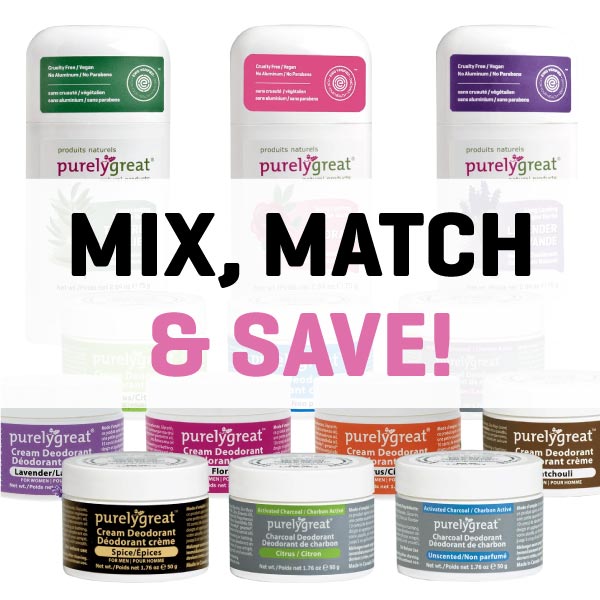
Your purchase is a vote for the kind of products you want in the world. Look for a brand that prioritizes both your health and your principles. At Purelygreat, we believe in complete transparency. Our deodorants are made with clean, simple, and effective ingredients you can trust. Every formula is proudly aluminum-free, paraben-free, and vegan, so you always know exactly what you're putting on your body. We created the natural deodorant that actually works, without compromise.
Ready to find your perfect match? Explore our collection of natural deodorants.
Embrace Confidence with a Truly Clean Deodorant
Navigating the world of personal care is simpler when you know what to look for. By understanding how the EWG rates products, you can confidently avoid concerning chemicals and choose deodorants made with safe, effective ingredients. Selecting the right environmental working group deodorant is a powerful, proactive step towards a healthier lifestyle, giving you peace of mind with every application.
At Purelygreat, we make that choice easy. We are committed to creating products that are both safe and effective. Proudly made in Canada, our deodorants are formulated with simple, all-natural ingredients you can trust. Every product is aluminum-free, paraben-free, and vegan, because we believe you should never have to compromise on your health for a product that works.
Ready to experience the difference a clean deodorant can make? Shop our collection of safe and effective natural deodorants. Make a simple switch today for a healthier you tomorrow.
Frequently Asked Questions
Is an EWG VERIFIED™ deodorant guaranteed to be effective against odor?
No, the EWG VERIFIED™ seal is a mark of health and safety, not performance. It confirms a product avoids ingredients of concern, provides full transparency, and uses good manufacturing practices. The EWG does not test for effectiveness against odor. A deodorant's ability to keep you fresh depends entirely on its unique formulation and how it interacts with your personal body chemistry. Always look for user reviews for performance feedback.
What's the main difference between deodorant and antiperspirant in the EWG's view?
The EWG distinguishes them by their function and key ingredients. Deodorants work to neutralize or mask the bacteria that cause odor. Antiperspirants, which are regulated as over-the-counter drugs, use aluminum-based compounds to physically block sweat glands. The EWG often flags aluminum compounds as an ingredient of concern, which is a primary reason why antiperspirants may receive a less favorable score in the Skin Deep® database compared to many natural deodorants.
If a deodorant isn't in the Skin Deep® database, does that mean it's unsafe?
Not at all. The Skin Deep® database is large but does not contain every product on the market. A deodorant's absence simply means the EWG has not yet rated it. You can still make an informed choice by looking up the individual ingredients on the product label using the EWG's database. This helps you assess potential concerns and build your own "report" to determine if it meets your personal standards for safety.
Are all 'natural' or 'organic' deodorants automatically given a good score by the EWG?
No. Terms like 'natural' are not strictly regulated for cosmetics, so they don't guarantee a good EWG score. The EWG's rating system analyzes every single ingredient for potential health concerns. Some natural ingredients, such as certain essential oils, can be flagged as potential allergens or irritants. A product’s final score is based on the complete formula, not just its marketing claims. True transparency is key.
How can I request that the EWG rate a specific deodorant?
The most effective way is to contact the deodorant brand directly. Encourage them to submit their products for EWG VERIFIED™ certification or to be included in the Skin Deep® database. This shows brands that their customers value ingredient safety and transparency. While the EWG adds products independently, a brand's participation is the fastest path to getting an official environmental working group deodorant score listed on the site.
Why do some natural deodorants with baking soda cause irritation?
Baking soda is alkaline, which is great for neutralizing acidic, odor-causing bacteria. However, our skin's natural pH is slightly acidic. For those with sensitive skin, the high pH of baking soda can disrupt this natural barrier, leading to dryness, redness, and rashes. This is why many people prefer baking soda-free formulas that use gentler ingredients like magnesium hydroxide or arrowroot powder to control odor effectively without irritation.