




If you have ever turned over a deodorant label and felt like you needed a translator, you are not alone. Vegan deodorant ingredients can look unfamiliar at first, but once you know what each one is doing, it becomes much easier to choose a formula that fits your routine, your values, and your expectations for daily odor protection.
For many people, the switch to a cleaner deodorant starts with one simple question: what am I actually putting on my skin every day? That is where ingredients matter. A well-made vegan deodorant is not just about what it leaves out, such as aluminum or parabens. It is also about what it includes, and how those ingredients work together to help absorb moisture, support odor control, create a smooth texture, and deliver a scent you actually want to wear.
What vegan deodorant ingredients really mean
In deodorant, vegan-friendly ingredients are ingredients that do not come from animal sources. That matters for shoppers who want personal care products that align with a cruelty-free, plant-forward lifestyle, but it also tends to go hand in hand with a cleaner, more intentional formulation style.
That said, vegan does not automatically tell you how a deodorant performs. Two formulas can both be vegan and feel very different on skin. One may glide on more firmly in stick form, while another may feel softer as a cream. One may lean into herbal notes like tea tree or lavender, while another keeps things minimal with an unscented option. The ingredient list gives you the real picture.
The core vegan deodorant ingredients in a natural formula
A natural deodorant formula usually relies on a few key ingredient types rather than one single hero ingredient. Each ingredient has a role, and performance depends on how they are balanced.
Coconut oil, shea butter, and other moisturizing bases
Many vegan deodorant ingredients start with a skin-conditioning base. Coconut oil and shea butter are common examples because they help create a smooth, spreadable texture. They also help the product feel comfortable during daily use instead of dry or overly stiff.
This part of the formula is easy to overlook, but it makes a real difference. If the base is too heavy, the deodorant may feel greasy. If it is too light, application can feel draggy. A balanced formula aims for a texture that is easy to apply whether you prefer a stick or a cream.
Corn starch and baking soda for daily odor control support
Corn starch is often used to help absorb wetness at the skin surface. It does not stop sweating, but it can help reduce that damp feeling many people want to avoid during the day.
Baking soda is another widely recognized ingredient in natural deodorant. In a deodorant formula, it is used as part of the odor-control system. It is especially common in aluminum-free products because the goal is not to block sweat, but to help manage odor in a different way. For shoppers moving away from conventional antiperspirants, this is an important distinction. You may still sweat, but the formula is designed to help keep odor in check.
Candelilla wax for structure and staying power
Texture matters more than people expect. A deodorant that crumbles, melts too quickly, or feels unstable in warmer temperatures can be frustrating to use. That is where candelilla wax comes in.
Candelilla wax is a plant-based wax that helps give deodorant structure, especially in stick formulas. It supports a firmer texture and helps keep the product consistent during everyday use.
Essential oils for scent and character.
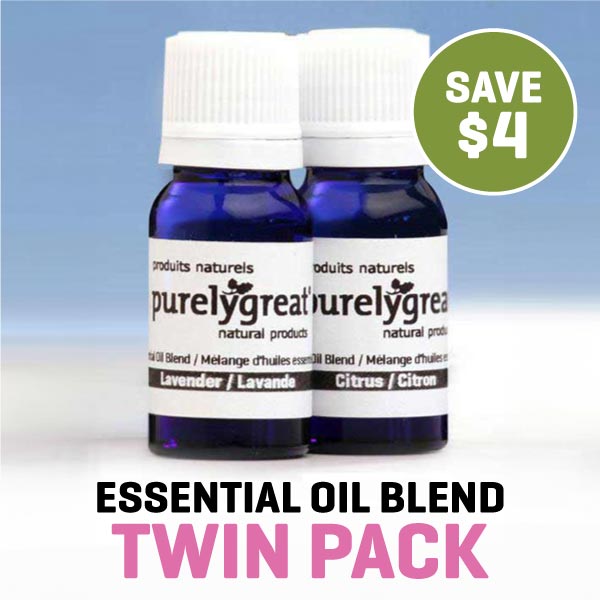
Scent is often the ingredient story people notice first. Lavender, tea tree, citrus, floral, patchouli, and spice each create a different daily experience, even when the core formula is similar.
Essential oils are often used to give a deodorant its scent profile. They can make a formula feel fresh, grounding, bright, or minimal, depending on the blend. This is one area where preference is highly personal. Some people want a clean herbal scent that feels subtle. Others want a citrus or spice note that feels more expressive. And some simply want unscented because they prefer the most minimal option.
How charcoal changes the formula
Charcoal cream deodorants add another layer to the ingredient conversation. Activated charcoal is included in some formulas to support the overall feel and function of the product. It also changes the texture and appearance, creating a more distinctive cream option for people who like a different format from a traditional stick.
This is a good example of why reading beyond the front label helps. Two deodorants may both be vegan friendly and aluminum free, but the ingredient profile can still lead to a different user experience. The format you choose often comes down to what feels easiest and most comfortable in your routine.
Why ingredient transparency matters
When people shop for deodorant now, they are often looking for more than a nice scent. They want clarity. They want to know whether the formula is aluminum free, whether it avoids parabens, whether it is vegan friendly, and whether the ingredient list feels understandable.
Ingredient transparency builds trust because it lets you make a decision based on what is actually in the product, not just broad marketing language. It also helps set realistic expectations. A natural deodorant does not work exactly like an antiperspirant, and it is better when brands are clear about that. The goal is practical daily odor control with ingredients that fit a cleaner personal care routine.
For many shoppers, trust signals matter here too. EWG Verified status can be part of that reassurance because it supports the idea that a product has been assessed against clear ingredient standards. That does not replace your own preferences, but it can make shopping feel more straightforward.
What to look for when reading vegan deodorant ingredients
The best way to read a deodorant label is to think in layers. Start with the base ingredients that affect texture and skin feel. Then look at the odor-control ingredients. After that, check the waxes and scent components that shape the format and overall experience.
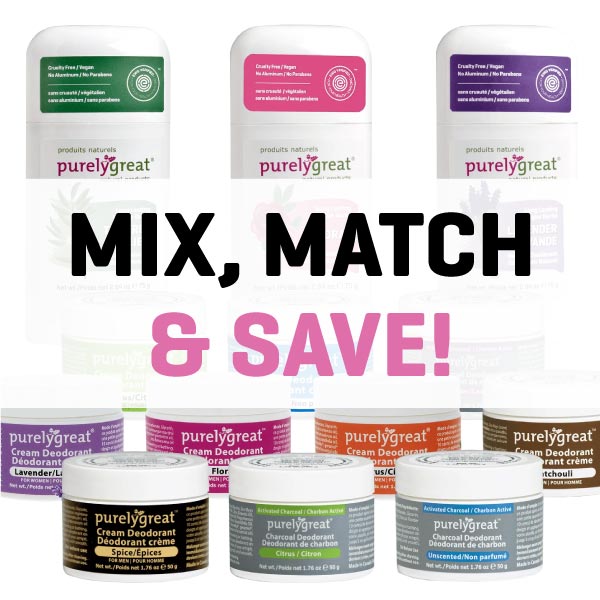
If you prefer a classic swipe-on application, a stick formula may be the best fit. If you want more control over how much you apply, a cream can make sense. If you like the idea of a more specialized texture, a charcoal cream may stand out. None of these formats is universally better. It depends on how you like to apply deodorant, the scent family you gravitate toward, and how simple or sensory you want the routine to feel.
It also helps to keep your expectations practical. A deodorant can be clean-label and thoughtfully made, but that does not mean every formula will feel identical on every person. Body chemistry, activity level, climate, and scent preference all play a part in what ends up becoming your daily go-to.
Vegan deodorant ingredients and everyday performance
Performance is where ingredient lists become real. A formula may look good on paper, but the everyday test is simple: does it fit into your life without feeling like a compromise?
That is why a balanced formula matters. You want ingredients that help with odor control, but you also want a texture that goes on smoothly and a scent that works for your day. Some people want a deodorant that feels barely there. Others want one that feels more substantial and present. Neither approach is wrong. The right choice is the one you will actually use consistently.
A well-formulated vegan deodorant can support that balance by combining plant-based structure, moisture-absorbing ingredients, and essential-oil scent options in a way that feels easy, not complicated. For shoppers building a lower-toxin daily routine, that ease matters. Deodorant is one of the products you use most often, so it should feel dependable and uncomplicated.
Choosing a formula that fits your routine
If you are comparing options, start with the format first and the scent second. That usually makes the decision easier. Once you know whether you prefer a stick, a cream, or a charcoal cream, you can narrow your choice by scent family or by choosing unscented for the most minimal experience.
Purelygreat takes this practical approach seriously by offering multiple deodorant formats and scent options within a consistent clean-label philosophy. That gives shoppers room to choose based on real-life preference rather than forcing one formula style for everyone.
The biggest shift in perspective is this: vegan deodorant ingredients are not there to sound impressive. They are there to do a job. When you understand what each ingredient is contributing, you can shop with more confidence and less guesswork.
A good deodorant should make your routine feel simpler. When the ingredient list is clear, the format suits your habits, and the scent feels right for everyday wear, choosing clean personal care stops feeling like a project and starts feeling natural.