





Sweat stains, body odor, and confusing labels-choosing the right underarm care can feel overwhelming. You’re not alone. Many of us have questions about the products we use every day, especially when it comes to antiperspirants. Are they the same as deodorants? What are they actually doing to our bodies? And with so much information out there, it’s hard to know what’s truly healthy and effective.
We believe in making healthy choices simple. This guide is here to provide clarity and peace of mind. We will explore the science behind how antiperspirants stop sweat, look at their key ingredients, and explain the important differences between them and deodorants.
By the end, you’ll have a clear, fact-based understanding to help you manage sweat and odor effectively. You'll feel confident about your choices and ready to find the right product that aligns with your personal needs and values.
What is an Antiperspirant and How Does It Stop Sweat?
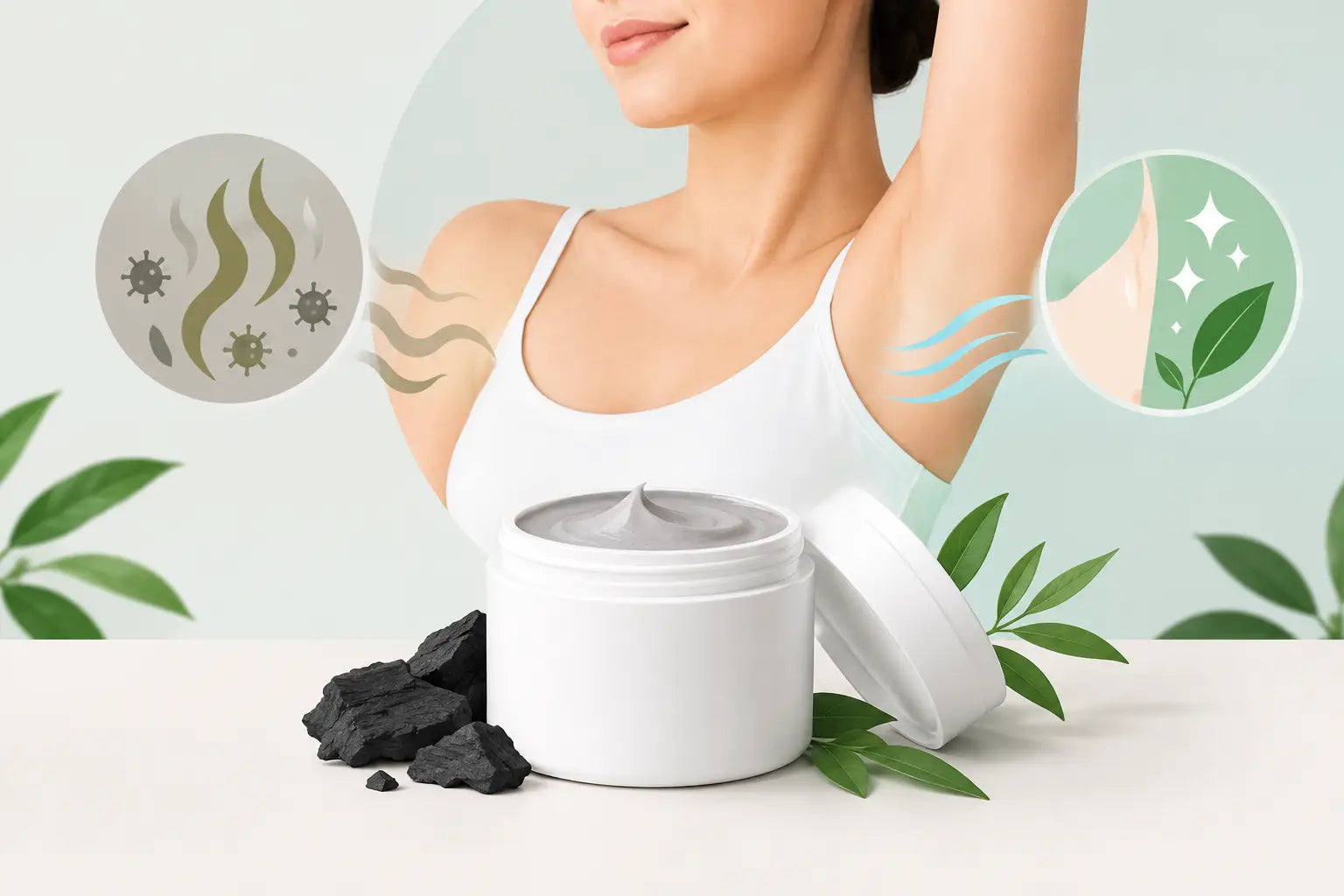
At its core, an antiperspirant is a personal care product specifically designed to reduce or stop perspiration. Its main purpose is to tackle wetness, helping you feel dry and confident throughout the day. This is the fundamental difference that sets it apart from a deodorant, which is formulated to target and neutralize the bacteria that cause body odor. To really understand the choice between the two, it's essential to know what an antiperspirant is and how it functions. While deodorants work on the symptom of odor, antiperspirants aim to address the source of wetness by controlling sweat itself.
The Science of Blocking Sweat Glands
The mechanism behind how antiperspirants work is a simple chemical reaction. The active ingredients are almost always aluminum-based compounds. When you apply the product to your underarms, these compounds dissolve into the moisture on your skin's surface and are drawn into the sweat ducts. Inside the duct, the aluminum salts react with the proteins in your sweat to form a shallow, gel-like plug. This plug physically blocks the duct, preventing sweat from escaping. It’s a temporary solution that works directly at the source. The effect wears off as the plugs are naturally cleared away through bathing and the constant, healthy process of skin cell renewal.
Common Active Ingredients in Antiperspirants
The effectiveness of an antiperspirant is directly linked to its active ingredients and their concentration. You’ll find these clearly listed on the product label, and they almost always include some form of aluminum salt. Some of the most common compounds include:
- Aluminum Chlorohydrate: A gentle and effective ingredient frequently used in standard, everyday-strength antiperspirant sticks, gels, and sprays.
- Aluminum Zirconium Tetrachlorohydrex Gly: This is a more complex and often more potent ingredient found in higher-strength "clinical" formulas designed for extra protection.
Products are available in various strengths-from regular over-the-counter options to clinical and even prescription-grade formulas. The key difference is the concentration of the active ingredient; a higher percentage typically provides stronger and longer-lasting sweat protection. Because they affect a natural bodily function, these ingredients are regulated as over-the-counter drugs by health authorities like the FDA in the U.S. and Health Canada, ensuring they meet strict standards for safety and efficacy.
Antiperspirant vs. Deodorant: Choosing What's Right for You
Understanding the fundamental difference between these two products is the first step to finding your perfect match. It's important to remember that sweating is a healthy, natural bodily function. It helps regulate your temperature and release toxins. The choice you make simply depends on how you want to manage it.
The core distinction lies in their purpose:
- Antiperspirants: Formulated to stop or reduce sweat.
- Deodorants: Designed to control and neutralize odor.
The Core Function: Blocking Wetness vs. Masking Odor
Think of it this way: an antiperspirant builds a dam, while a deodorant purifies the water. The fundamental difference in the Antiperspirant vs. Deodorant debate is how they achieve their goals. Antiperspirants use aluminum-based compounds to temporarily block sweat ducts, reducing the amount of moisture that reaches your skin's surface. On the other hand, deodorant works on a different principle. Sweat itself is nearly odorless; the scent we call body odor is created when bacteria on your skin break down sweat. Deodorants use ingredients to neutralize these odor-causing bacteria, keeping you smelling fresh without stopping the natural process of sweating.
Why You Might Choose One Over the Other
Your personal needs should guide your decision. If your primary concern is excessive wetness, sweat stains on clothing, or a condition like hyperhidrosis, a product with antiperspirant properties might be your focus. However, if you are more concerned with managing odor and prefer to let your body function as nature intended, an aluminum-free deodorant is the ideal choice. This approach works with your body, not against it, by targeting odor at its source while allowing your glands to breathe. It’s a simple, healthy, and effective way to stay confident all day long.
Ready to manage odor naturally? Explore our aluminum-free deodorants.
The Conversation Around Aluminum in Antiperspirants
If you’ve explored natural body care, you have likely come across the discussion about aluminum. It’s the active ingredient that makes antiperspirants work, but it also raises questions for many health-conscious consumers. We believe in providing clear, honest information so you can make the best choice for your body.
Addressing Health Concerns: What the Research Says
Concerns often connect aluminum in personal care products to serious health conditions like breast cancer and Alzheimer's disease. It’s understandable to feel worried. However, it’s important to look at the science. Major health organizations, including the National Cancer Institute, have stated that there is no conclusive scientific evidence linking the use of underarm antiperspirants to these conditions.
Current research on antiperspirant safety supports this view, highlighting that only a very small fraction of aluminum is absorbed through the skin-far less than what you might consume from food and water. While the scientific consensus is reassuring, we always encourage you to speak with your doctor about any personal health concerns.
Skin Sensitivity and Irritation
A more common and documented issue with aluminum-based products is skin irritation. The same aluminum salts that block sweat ducts can be harsh on sensitive skin, especially after shaving when your skin is most vulnerable.
This can lead to uncomfortable symptoms, such as:
- Redness or rash
- Itching and discomfort
- Dryness or peeling skin
If your underarms feel sensitive, you are not alone. For many people, this irritation is the primary reason for switching. Choosing a gentle, aluminum-free alternative can provide effective odor protection without the discomfort, allowing your skin to feel calm and healthy.
Making the Switch: What to Expect When You Stop Using Antiperspirant
The idea of moving away from your trusted antiperspirant can feel intimidating. We understand. You might worry about sweat or odor. But making this change is a positive step towards working with your body’s natural processes, not against them. Understanding the temporary adjustment phase-often called an ‘armpit detox’-makes the transition smooth and worry-free. This period is normal, temporary, and a sign that your body is returning to its healthy, natural state.
The 'Armpit Detox' Period Explained
For years, the aluminum compounds in conventional antiperspirants have created a physical plug in your sweat ducts. When you stop using them, your glands begin to function freely again. This can lead to a temporary increase in moisture and odor-causing bacteria as your body finds its balance. This rebalancing period is completely normal and can last from a few days up to four weeks. To support your body during this time:
- Wash daily: Gently cleanse your underarms with a natural soap to manage bacteria.
- Wear natural fibers: Choose breathable fabrics like cotton, linen, or bamboo to help keep skin dry.
- Stay hydrated: Drinking plenty of water helps your body flush out toxins naturally.
Why Natural Deodorants Are a Great Alternative
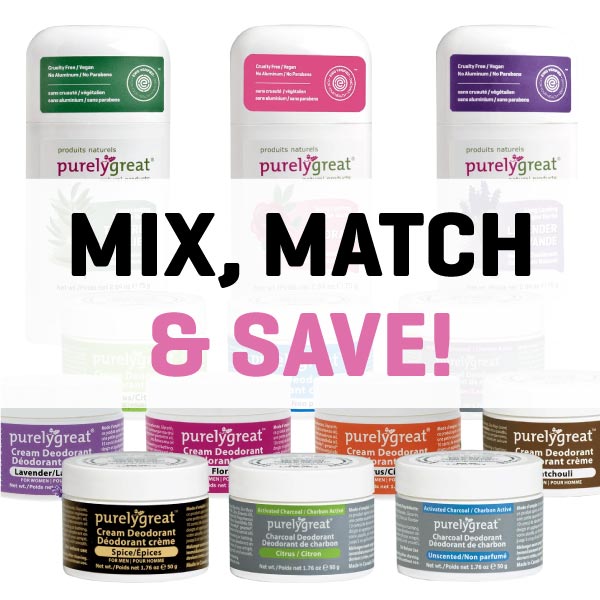
Natural deodorants are a purely great alternative because they don’t fight your body's essential functions. Sweating is healthy-it’s how we regulate temperature. Instead of blocking this process, our aluminum-free formulas use simple, effective ingredients to keep you feeling fresh and confident. Powerful, all-natural ingredients like baking soda and magnesium neutralize odor at its source, while pure essential oils provide a clean, lasting scent. You can finally embrace a product that is effective, vegan, and kind to your body.
Ready to find a gentle option that actually works? Shop our best-selling natural deodorants.
Your Path to Confident, Natural Protection
Navigating the world of underarm care means understanding the key differences in your options. We've seen that traditional antiperspirants use aluminum-based compounds to physically block sweat, while deodorants work to neutralize odor. Making an informed choice is about aligning your personal care products with your wellness philosophy. For many, this means questioning long-held habits and exploring alternatives that work with your body, not against it.
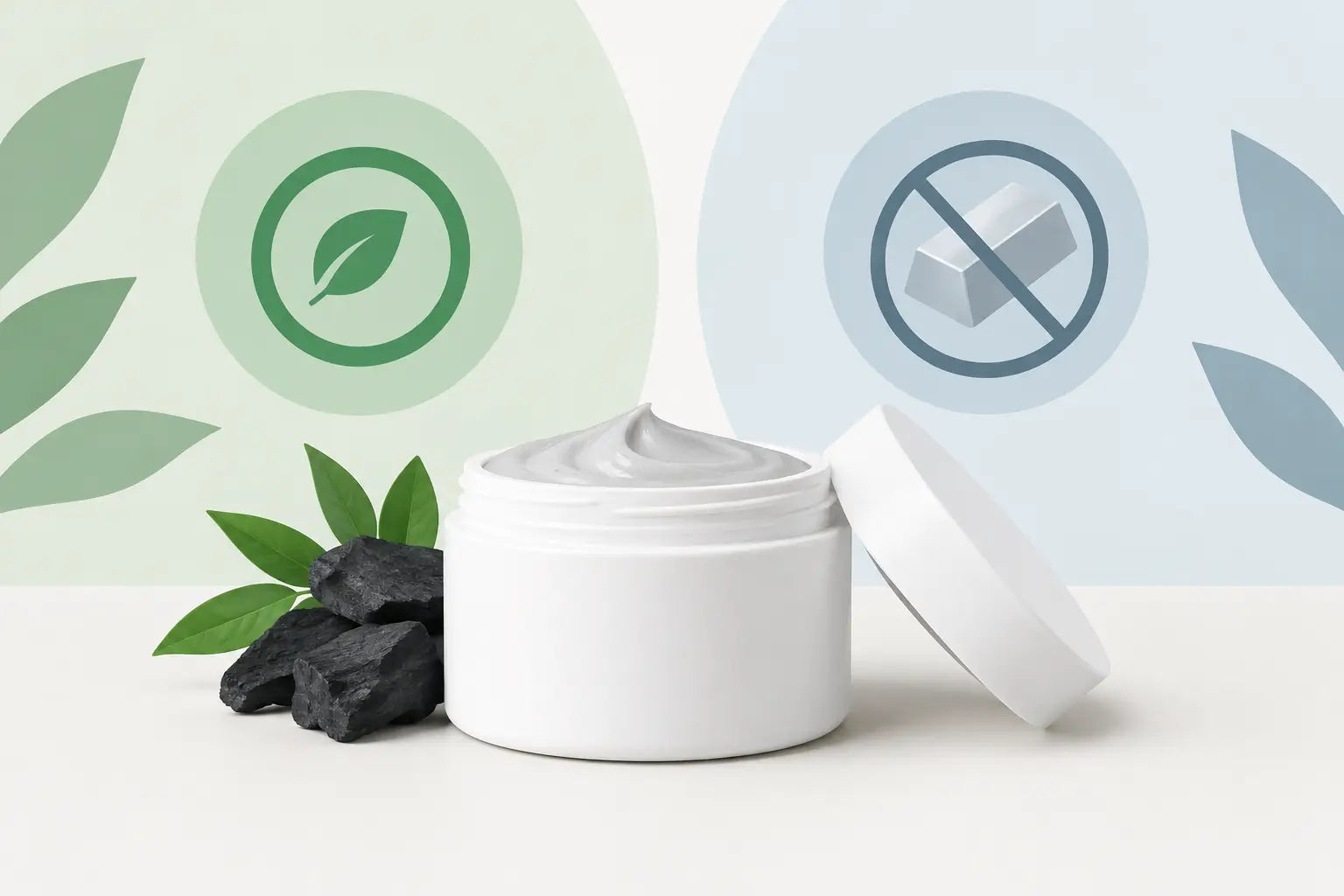
If you're ready to embrace a new routine, you don’t have to sacrifice performance. Our promise is simple: effective, long-lasting odor protection powered by nature. We are committed to a clean, healthy approach with our Aluminum-Free & Toxin-Free Promise. You can feel good knowing every product is also Vegan & Cruelty-Free Certified. It’s time to experience a deodorant that is purely great and actually works.
Ready to ditch the aluminum? Discover a natural deodorant that actually works.
Making a positive change for your body is empowering. Take the next step with confidence today.
Frequently Asked Questions
Is antiperspirant bad for you?
Concerns often focus on the aluminum compounds used in antiperspirants. However, major health organizations like the National Cancer Institute have not found a conclusive scientific link between their use and health risks. Many people still prefer to avoid these ingredients as part of a natural lifestyle. Choosing an aluminum-free deodorant is a personal wellness decision that gives many people peace of mind, aligning with a clean and simple approach to body care.
Why do I still sweat when I use an antiperspirant?
Antiperspirants work by temporarily plugging sweat ducts to reduce wetness, but they don't stop sweating completely. During intense exercise, high stress, or extreme heat, your body’s sweat response can be too strong for the product to block entirely. Also, ensure you are applying it to completely dry skin, as moisture can prevent it from working effectively. It’s about managing sweat, not eliminating it.
Can you become immune to your antiperspirant?
You don't develop a true immunity to your antiperspirant. If it seems less effective, it might be due to changes in your body's sweating patterns or incorrect application. For example, applying to damp skin can reduce its power. Instead of needing to switch products, first try applying it to clean, completely dry skin at night to give the active ingredients time to work without interruption from sweat production.
Should you apply antiperspirant at night or in the morning?
For best results, apply antiperspirant at night before bed. Your body temperature is lower and you sweat less while you sleep, giving the active ingredients a better chance to sink into your sweat ducts and form effective plugs. These plugs will then work to reduce sweat throughout the next day, even after a morning shower. Applying at night is the most effective way to get maximum protection from wetness.
What's the difference between clinical strength and regular antiperspirant?
The main difference is the concentration of the active ingredient. Clinical strength formulas contain the highest percentage of sweat-blocking compounds allowed without a prescription and are designed for people who experience excessive sweating. Regular antiperspirants have a lower concentration of these ingredients but are effective for most people's everyday needs. Think of clinical strength as a more powerful, targeted solution for significant wetness concerns.
How do I know if I need an antiperspirant or just a deodorant?
The choice is simple: are you fighting odor or wetness? If your main concern is body odor, a natural deodorant is the perfect solution. It works by neutralizing the bacteria that cause odor. If you are primarily bothered by sweat marks on your clothes and a feeling of wetness, then an antiperspirant is what you need. It's all about targeting your specific concern for a truly effective result.