




You usually know within a week whether a deodorant belongs in your routine or in the bathroom trash. If it smells great for ten minutes but leaves you feeling less than fresh by lunch, it is not doing the job. That is why so many people start searching for natural deodorants that actually work - not just products with clean labels, but products that can keep up with real days, real stress, and real sweat.
What makes a natural deodorant work?
The first thing to know is that natural deodorant does a different job than antiperspirant. Antiperspirants use aluminum salts to reduce sweat. Natural deodorants are designed to manage odor, absorb moisture, and help you feel dry enough and comfortable enough to get through the day.
That difference matters because sweat itself is not the problem. Odor happens when sweat mixes with the bacteria that live on your skin. A natural deodorant works when it helps control that odor-causing environment without relying on aluminum.
The most effective formulas usually combine a few functions at once. They absorb wetness, help neutralize odor, and include ingredients that support a cleaner feel on the skin. When a formula only does one of those things, performance can be hit or miss.
The ingredients that matter most
If you want natural deodorants that actually work, the ingredient list tells you a lot. Not every natural formula performs the same way, and the best results usually come from ingredients chosen for function, not just marketing.
Baking soda is one of the most common odor-fighting ingredients because it helps neutralize the acids linked to body odor. For many people, it works extremely well. The trade-off is that some sensitive skin types find it irritating, especially after shaving or during hot weather.
Arrowroot powder, tapioca starch, and similar plant-based powders help absorb moisture. They do not stop sweating, but they can reduce that damp feeling and help the underarm stay more comfortable. If you sweat lightly to moderately, these ingredients can make a big difference.
Magnesium hydroxide is another ingredient worth paying attention to. It is often used in natural formulas for odor control and is sometimes better tolerated than baking soda. For people who want a gentler option, this can be an excellent middle ground.
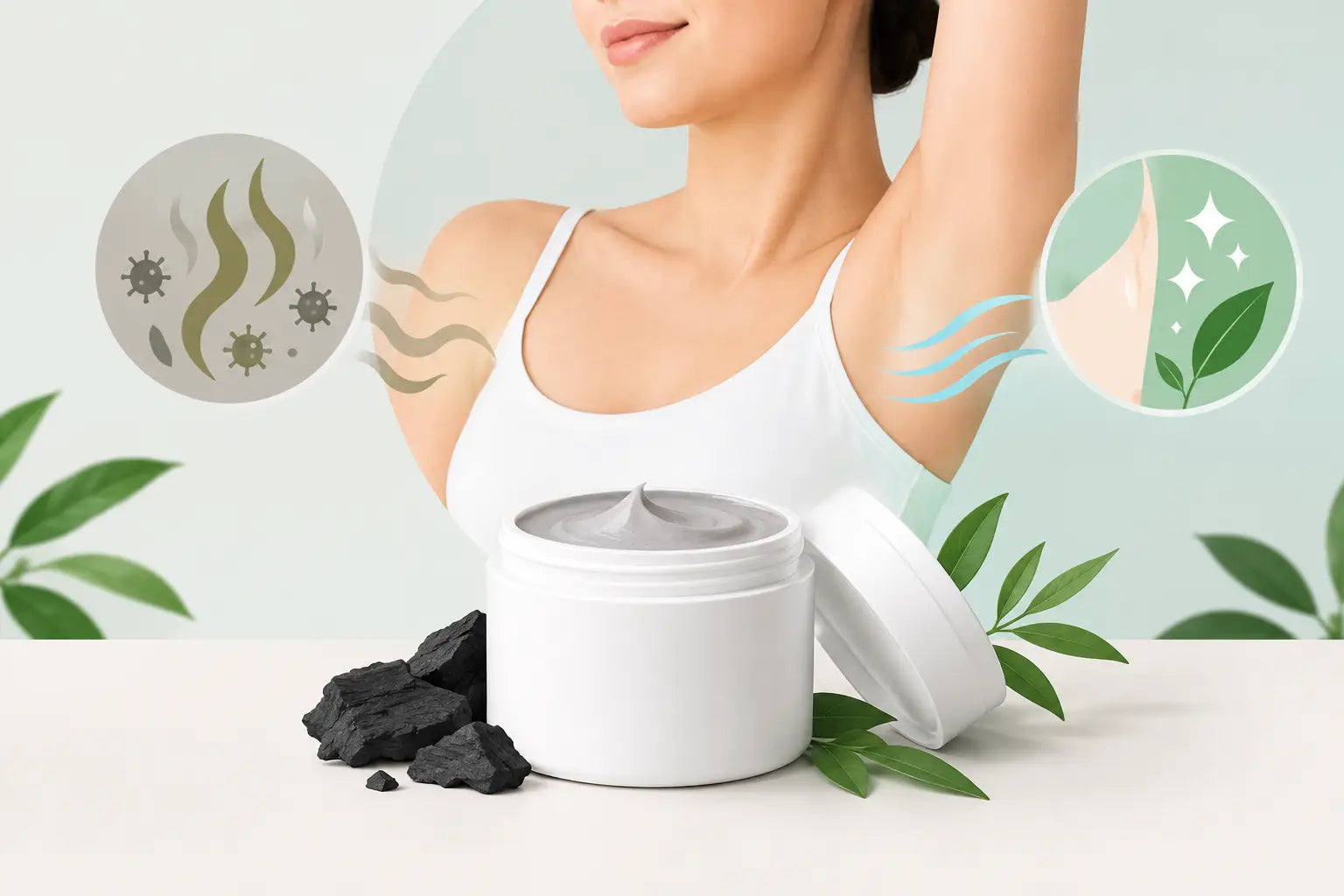
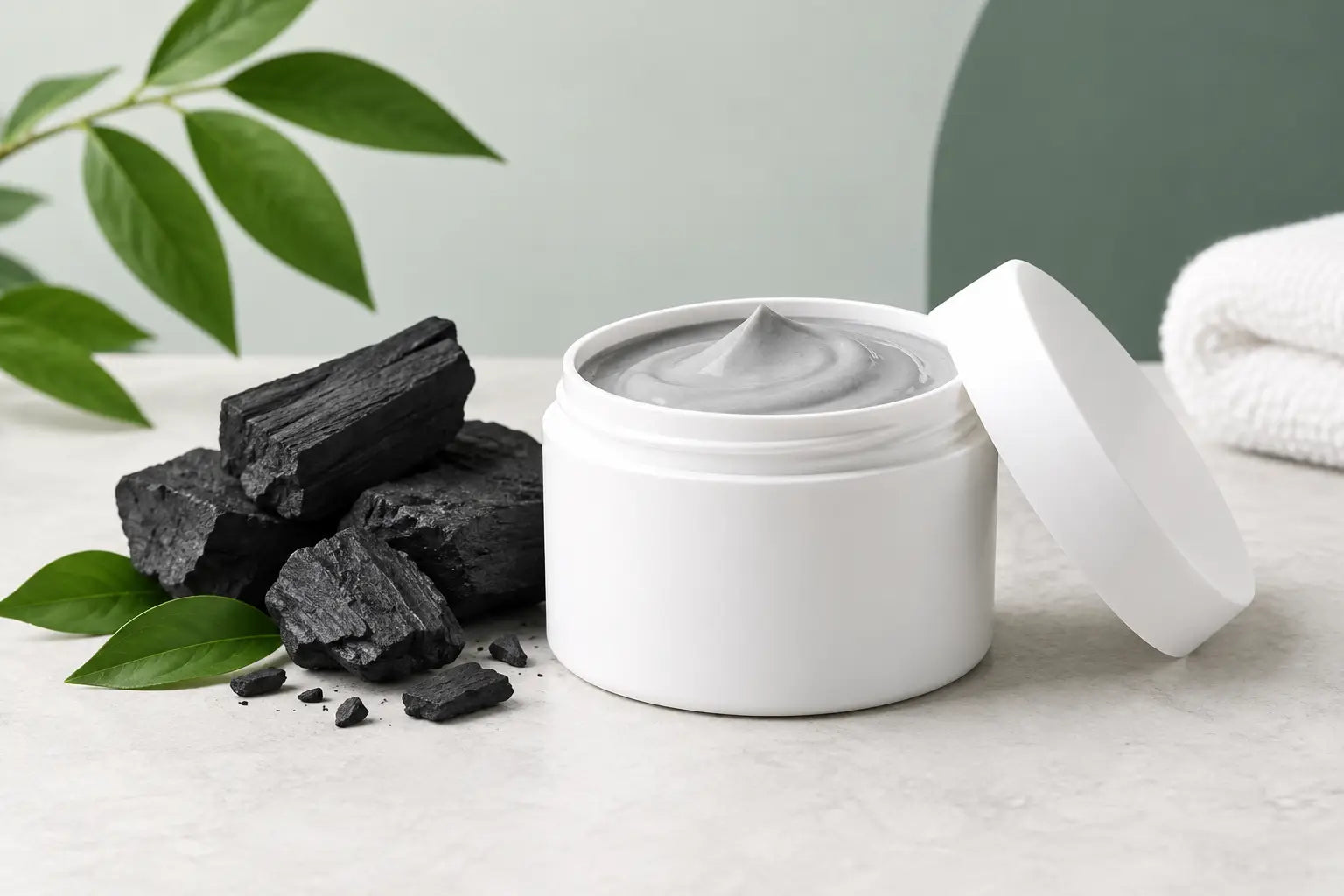
Activated charcoal appears in some cream formulas because it can help absorb moisture and impurities while supporting odor control. It is especially appealing for people who want a stronger-feeling natural option, although texture and application can feel a little different from a standard stick.
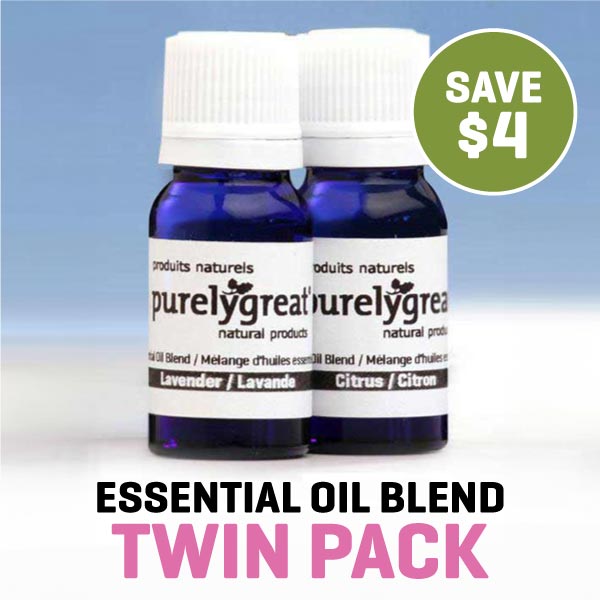
Essential oils and natural fragrance blends can add a clean, pleasant scent, but scent alone is not performance. A lavender, citrus, tea tree, floral, spice, patchouli, or unscented option should still be built on functional odor-control ingredients. The fragrance should support the experience, not carry the formula.
Why format changes performance
A lot of people assume the formula is everything, but format plays a major role too. Stick, cream, and charcoal cream deodorants each have strengths, and the right choice depends on your skin, routine, and how much support you need.
Stick deodorants are often the easiest place to start. They are familiar, quick to apply, and convenient for daily use. If you are switching from a conventional deodorant or antiperspirant, a stick format often feels like the simplest transition.
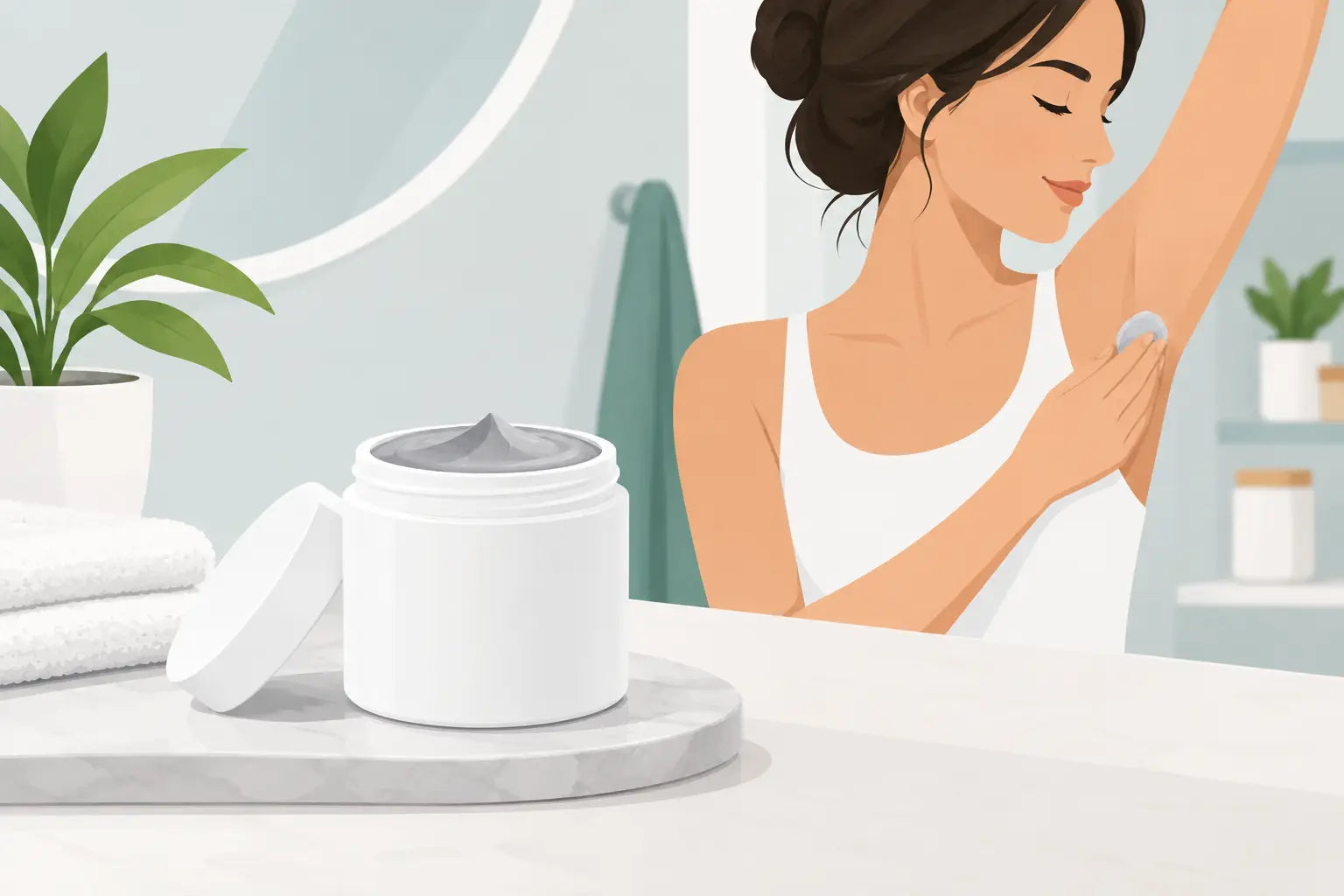
Cream deodorants give you more direct coverage because you apply them with your fingers and can work the product exactly where you want it. Many people find creams especially effective because they spread evenly and allow for better control over how much you use. If a stick has not been enough for you, a cream can be a smart next step.
Charcoal cream deodorants tend to appeal to people who want a little extra support. They can feel more intensive and may work well for active days, warm climates, or people who naturally run hotter. The main trade-off is that some users prefer the speed and convenience of a stick, while others are happy to take an extra few seconds for performance.
Why some natural deodorants fail
When natural deodorant gets a bad reputation, it is often because the formula is not matched to the person using it. One product can work beautifully for one person and poorly for another.
Body chemistry matters. Your activity level, stress, climate, clothing, and even your underarm microbiome can affect results. A deodorant that feels perfect during winter may not be enough in July. A formula that works on work-from-home days may not hold up through commuting, workouts, or long travel days.
Application habits also matter more than most people expect. Natural deodorant usually works best on clean, dry skin. If you apply it over sweat or leftover product, it has less chance to do its job well. Using too little can also lead to disappointment, especially with creams or lighter formulas.
Then there is skin sensitivity. A stronger formula is not always the better formula if it leaves your underarms irritated. Redness, itching, or stinging can make even an effective product impossible to use consistently. The best deodorant is the one that balances odor control with comfort.
How to find the right natural deodorant for your routine
Start by being honest about what your day looks like. If you mostly need everyday freshness for errands, office hours, or lighter activity, a classic stick with moisture-absorbing ingredients may be all you need. If you have a more active schedule or tend to notice odor quickly, you may do better with a cream or charcoal cream.
Next, think about sensitivity. If your skin reacts easily, look for simpler formulas and consider whether baking soda has worked for you in the past. Unscented options can also be helpful if your skin does best with fewer fragrance ingredients.
Scent is personal, but it should fit your lifestyle. Lavender and floral can feel soft and calming. Citrus and tea tree often feel fresher and brighter. Patchouli and spice can feel warmer and more distinctive. Unscented is ideal if you want a neutral option that will not compete with other products.
It can also help to keep expectations realistic during the switch from conventional antiperspirant. You may notice that you sweat more because you are no longer using aluminum to reduce perspiration. That does not mean the deodorant is failing. The real question is whether it controls odor and keeps you comfortable enough for daily life.
How to get better results from natural deodorants that actually work
Even a well-made formula performs better with the right routine. Apply it to clean, dry underarms, ideally after showering or washing. Let the skin dry fully before application so the product can adhere properly.
Use enough product to create an even layer, but do not overdo it. With sticks, that usually means a few passes. With creams, a small amount often goes a long way. If you are using too little, coverage may be patchy. If you are using too much, you may end up with residue on clothing.
Reapplying is not a failure. On especially hot, stressful, or active days, a second application can make sense. Natural personal care is often about working with your body rather than forcing it into a one-size-fits-all routine.
It also helps to wash underarms thoroughly at the end of the day. Removing buildup from sweat, skin oils, and leftover product gives your deodorant a better starting point the next morning.
Clean-label benefits should still come with real performance
People choose natural deodorant for different reasons. Some want to avoid aluminum or parabens. Some prefer vegan-friendly and cruelty-free products. Some are looking for cleaner ingredients, lower-waste habits, or products that better match a natural lifestyle.
Those values matter, but they only go so far if the deodorant does not perform. The best products combine ingredient transparency with practical effectiveness. That is why trust signals such as EWG Verified, aluminum free, paraben free, vegan friendly, cruelty free, and made in Canada can be meaningful when they are paired with formulas designed for everyday odor control.
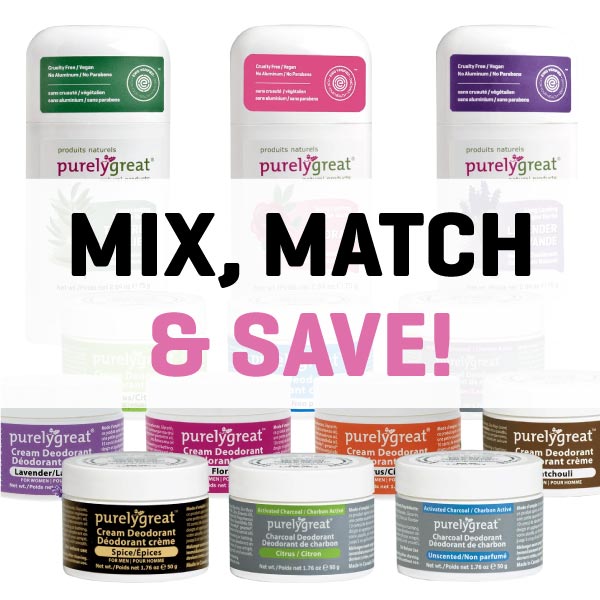
Purelygreat is built around that balance, offering stick, cream, and charcoal cream deodorants so customers can choose the format and scent profile that fits their routine instead of settling for a single version of “natural.”
The real standard for a good natural deodorant
A good natural deodorant does not need to make unrealistic promises. It needs to help you feel clean, confident, and comfortable in your own skin. It should fit your day, respect your values, and make the switch to cleaner personal care feel practical rather than complicated.
If you have been disappointed before, that does not mean natural deodorant is not for you. It usually means you have not found the right formula, format, or ingredient balance yet. Start with how your body actually works, choose a product designed for odor control rather than just fragrance, and give yourself permission to adjust. The right natural deodorant should feel less like a compromise and more like a routine you are happy to keep.