



A few years ago, choosing a natural deodorant often meant settling for limited scents, one format, and a lot of guesswork. That is changing fast. Natural deodorant trends 2026 are less about novelty for its own sake and more about something shoppers have been asking for all along - clear ingredients, reliable daily use, and options that fit real routines.
For health-conscious shoppers in the US and Canada, the next wave of growth is practical. People still want aluminum-free deodorant, but they also want to know what is in it, how it feels on skin, how it applies, and whether it fits into a broader low-toxin lifestyle. The brands that stand out in 2026 will be the ones making natural personal care feel simple, trustworthy, and easy to stick with.
What natural deodorant trends 2026 are really about
The biggest shift is that natural deodorant is no longer being treated like a niche experiment. It is becoming an everyday personal care category with the same expectations shoppers already bring to skincare, supplements, and household products. People want ingredient transparency, straightforward claims, and products that feel considered rather than trendy.
That matters because natural deodorant buyers are not all starting from the same place. Some are longtime label readers who already know what they want. Others are making their first switch from conventional deodorant and need confidence that they are not trading performance for cleaner ingredients. In 2026, brands will need to serve both groups without overcomplicating the decision.
A cleaner label still leads the conversation, but cleaner now means more than a short ingredient list. It also means recognizable ingredients, clear standards, and trust markers that help shoppers feel secure in what they are buying. EWG Verified, aluminum free, paraben free, vegan friendly, and made in Canada all speak to a broader demand for reassurance.
Format choice will matter more than ever
One of the most noticeable natural deodorant trends 2026 is the move away from a one-format-fits-all mindset. Shoppers increasingly understand that how a deodorant is delivered can be just as important as the scent.
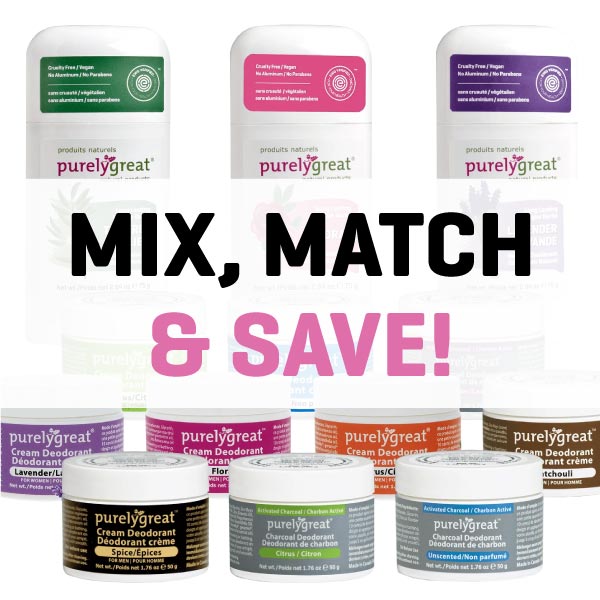
Stick deodorants will keep appealing to people who want a familiar, quick application. They fit busy mornings, gym bags, and travel routines. For many first-time natural deodorant users, a stick format feels like the easiest entry point because it mirrors the routine they already know.
Cream deodorants continue to attract shoppers who like a more hands-on product experience. Some people prefer the control they get from applying a cream, especially when they want to adjust how much product they use. Charcoal cream deodorants also stand out for shoppers who are drawn to ingredient-led options and want something that feels distinct within a natural routine.
This is where brands can make shopping easier. Instead of pushing one format as best for everyone, the better approach is to help people choose based on habits. A person rushing through a weekday may love a stick. Someone who values a more customized feel may reach for a cream. Neither choice is more correct - it depends on lifestyle, comfort, and personal preference.
Scent is becoming part of the wellness routine
Scent used to be treated as a secondary feature in natural deodorant. In 2026, it becomes a more meaningful part of the buying decision. Not because shoppers want stronger fragrance, but because they want a deodorant that fits the mood and rhythm of their day.
That opens space for scent families that feel grounded and usable rather than overpowering. Lavender remains a natural fit for shoppers who want something calm and familiar. Tea tree appeals to those who like a cleaner, more herbal profile. Citrus brings energy, floral feels soft and approachable, patchouli has a more earthy identity, and spice offers something warmer and deeper. Unscented also continues to matter for shoppers who prefer the most minimal experience.
The trend here is not endless scent launches. It is thoughtful scent variety that gives people real choice without turning the category into clutter. For direct-to-consumer brands, this can also support repeat purchasing. Once someone finds a format they like, they may rotate scents by season, mood, or occasion.
Ingredient transparency is moving from nice-to-have to expected
Natural personal care shoppers are more informed than they were even two or three years ago. They read product pages. They compare labels. They notice vague language. Because of that, ingredient transparency is becoming one of the most durable trends in the category.
In practice, this means brands need to be specific and clear. Shoppers want to understand what they are using and why it is there. They are not asking for chemistry lectures, but they do want plain language and consistency between the label, the website, and the brand message.
This is especially important in natural deodorant, where trust has a direct effect on conversion. If the product page feels confusing or overly polished, shoppers hesitate. If the formula and benefits are explained simply, buying feels easier. A natural deodorant brand that communicates with clarity is often doing more than marketing - it is reducing friction.
Performance still decides whether people stay
Clean ingredients may bring shoppers in, but daily performance keeps them coming back. That is one of the simplest truths behind natural deodorant trends 2026.
People want effective aluminum-free natural deodorant that works in normal life. That includes workdays, workouts, warm weather, commuting, and long afternoons out of the house. They also want texture and application to feel pleasant enough that using the product does not become a chore.
This is where realistic messaging matters. Shoppers appreciate confidence, but they also respond well to brands that understand everyday variability. The right natural deodorant can become part of a reliable routine, yet individual preferences still matter. Body chemistry, climate, activity level, and even preferred format can shape the experience. Clear shopping guidance helps set better expectations and usually leads to happier customers.
Low-waste habits are becoming part of the purchase decision
Many shoppers are not only replacing a deodorant. They are slowly reshaping their routines around lower-toxin and lower-waste choices. That broader lifestyle shift is influencing what they expect from deodorant brands.
In 2026, eco-conscious packaging still matters, but practicality matters too. Recyclable plastic packaging can appeal to shoppers who want a more responsible option while still prioritizing convenience, durability, and ease of use. For many households, sustainability works best when it fits daily life instead of demanding a complicated adjustment.
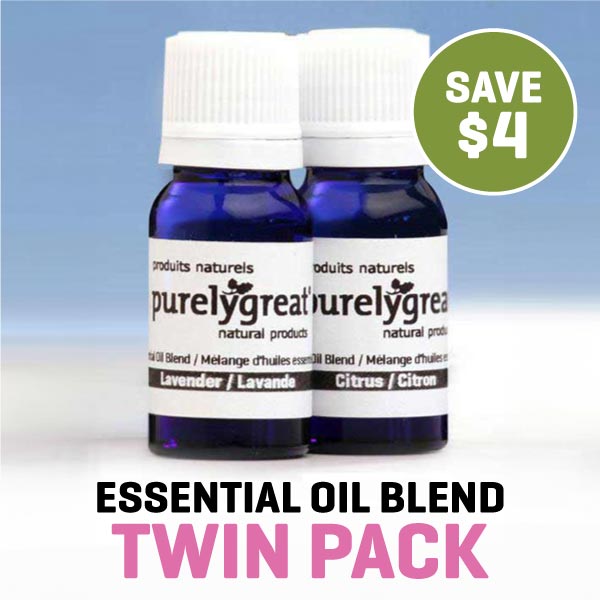
This is also why deodorant can act as a gateway product. A person may start with aluminum-free deodorant, then become more interested in essential oil blends or other everyday products that support a cleaner lifestyle. Brands that understand this journey can serve customers more naturally across categories, without forcing it.
Multipacks and routine-building will keep growing
As natural deodorant becomes more established, shopping behavior is changing with it. Customers are less likely to treat it as a one-time test and more likely to buy it as a regular staple. That makes value packs, scent variety, and format exploration more relevant in 2026.
For ecommerce brands, this trend is practical. Multipacks help reduce reorder stress and encourage consistency. They can also make it easier for customers to try a few scent profiles or stock up on a format they already trust. From the shopper side, that feels less like an impulse buy and more like building a dependable personal care routine.
There is a balance to strike, though. Too many options can make the category harder to shop. The strongest natural deodorant brands will keep assortment focused and easy to understand. Better choice architecture often matters more than bigger catalogs.
Education will be part of the product experience
One of the less flashy but more important natural deodorant trends 2026 is better education around how to shop the category. Consumers want help choosing between stick and cream. They want to understand scent differences. They want confidence in ingredient standards and product positioning.
That kind of education should feel simple, not overwhelming. Clear product descriptions, plain-language ingredient pages, and practical guidance do more than answer questions. They help customers feel supported. For brands like Purelygreat, that approachable expert role is a real advantage because it meets people where they are, whether they are new to natural deodorant or already committed to clean personal care.
The best educational content also respects the shopper's time. It does not overpromise or rely on fear. It gives enough information to make a smart choice and move forward.
What shoppers should expect next
Looking ahead, the strongest brands in natural deodorant will likely be the ones that keep improving the basics. More clarity. More useful format options. Better scent editing. Strong trust signals. Smarter bundles. Less hype.
That may not sound dramatic, but it is exactly why the category is maturing. People do not need natural deodorant to feel complicated or niche anymore. They want it to feel normal, dependable, and aligned with the rest of a conscious routine.
If 2026 has a defining idea, it is this: the future of natural deodorant belongs to products that make clean personal care easier to choose and easier to keep using. For shoppers trying to build a more natural lifestyle one daily habit at a time, that kind of progress is more than a trend - it is what makes the switch stick.