





Reading a deodorant label should not feel like decoding a chemistry quiz. A good guide to natural deodorant ingredients helps you understand what each ingredient is doing, why it is there, and how the full formula works together in real life. That matters when you want an aluminum-free option that feels aligned with a cleaner daily routine but still holds up through work, errands, workouts, and everything in between.
Natural deodorant is different from antiperspirant in one key way: it is designed to help manage odor, not block sweat with aluminum salts. That means the ingredient list is doing a specific job. Instead of shutting down perspiration, the formula uses powders, oils, waxes, and odor-fighting ingredients to absorb moisture, support freshness, and make the product easy to apply.
A practical guide to natural deodorant ingredients
If you look at a natural deodorant formula, the first thing to remember is that no single ingredient does all the work. Performance usually comes from how the ingredients balance each other. A powder can help with moisture. A wax can create structure. An oil can improve glide. An essential oil can add scent. Put together well, the formula feels simple and effective rather than fussy.
In Purelygreat deodorants, that balance is built around a focused ingredient list. You will see ingredients such as coconut oil, candelilla wax, baking soda, corn starch, shea butter and essential oils depending on the format and scent. In the charcoal cream, activated charcoal is part of that mix as well. These are familiar ingredients for many label readers, but what matters most is understanding their role inside the product, not just recognizing the name.
Coconut oil helps with glide and texture
Coconut oil is one of the ingredients that gives natural deodorant a smoother, more comfortable feel on skin. It helps the product spread more easily, especially in cream formats, and it works as part of the base that carries the rest of the ingredients. In practical terms, this is one reason a deodorant does not feel overly dry or chalky when you apply it.
Texture matters more than people think. If a formula drags, crumbles, or applies unevenly, it is harder to use consistently. Coconut oil helps support that everyday ease.
Candelilla wax gives structure and staying power
Candelilla wax is often the ingredient that helps hold the formula together. In stick deodorant, it contributes to solidity and shape.
This is a good example of why ingredient function is not only about odor control. A deodorant also needs to live in your bag, your bathroom, or your gym routine without turning messy or difficult. Ingredients that create a stable texture are part of what makes the product practical.
Baking soda is there for odor control
Baking soda is one of the most recognized ingredients in natural deodorant because it plays a central role in helping manage odor. When people make the switch from conventional products, this is often the ingredient they look for first because it is familiar and easy to understand.
It is also a reminder that reading labels in context matters. A formula is not just one standout ingredient. The product experience depends on how odor-control ingredients are paired with powders, oils, and waxes so the deodorant feels balanced in daily use.
Corn starch helps absorb moisture
Corn starch is commonly used to help absorb wetness and keep the underarm area feeling drier. Since natural deodorant does not stop sweating, ingredients like corn starch play an important supporting role. They help manage the feel of perspiration rather than trying to eliminate it.
For many people, this is one of the biggest mindset shifts. You may still sweat, especially in hot weather, during exercise, or on stressful days. But a well-formulated deodorant can still help you feel fresher and more comfortable. That is a more realistic expectation, and usually a more satisfying one.
This is where formulation matters. Natural deodorant works best when richer ingredients and absorbent ingredients are carefully paired. Too much of one side and the product may feel oily. Too much of the other and it may feel dry or rough. A good formula aims for the middle.
Activated charcoal appears in charcoal cream deodorant
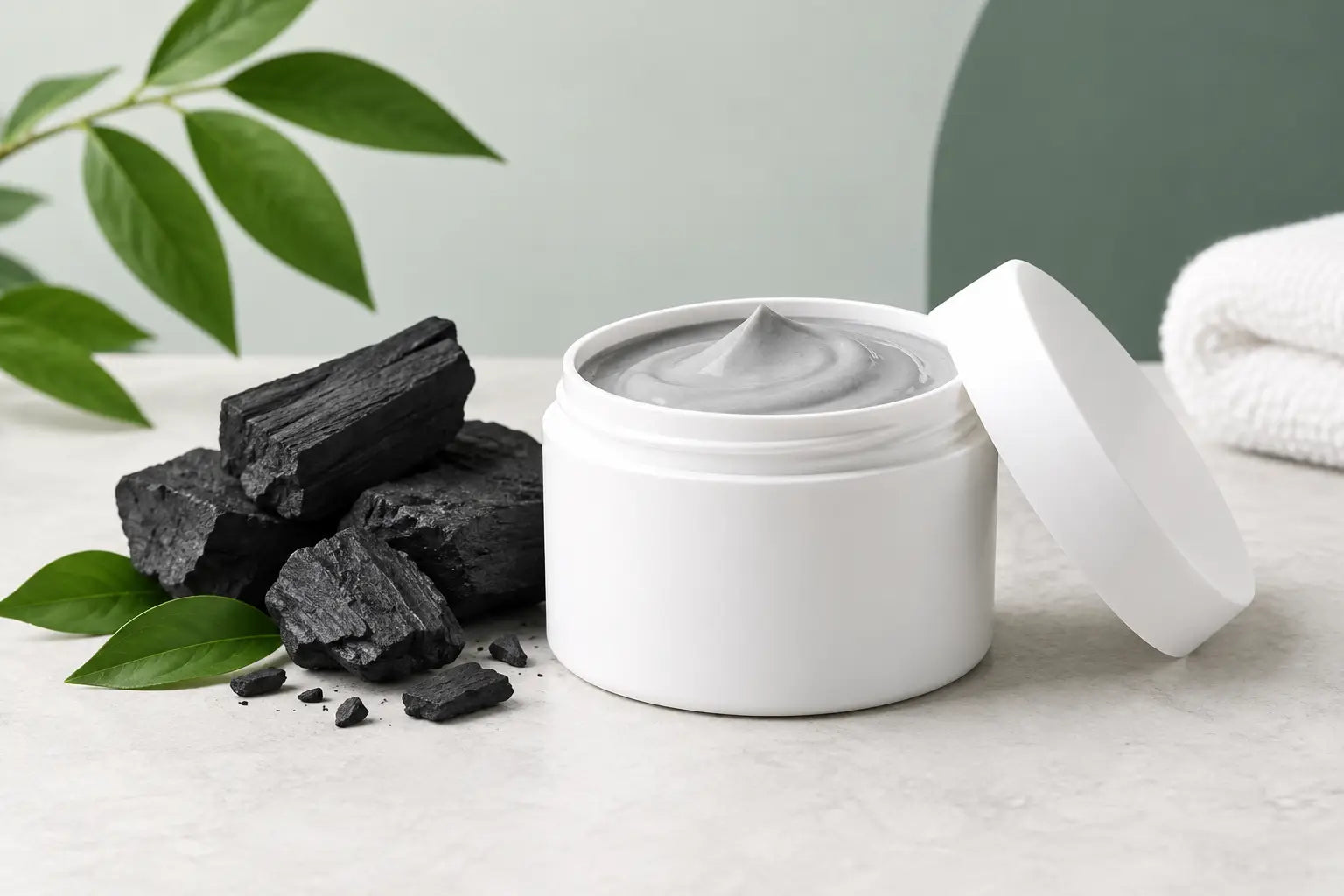
In charcoal cream deodorant, activated charcoal is part of what makes that format distinct. It is included alongside the other core ingredients rather than replacing them. For shoppers, this is less about chasing a trend and more about choosing the texture and feel they prefer.
Format can change the experience even when the ingredient story is still grounded in the same basics. Some people like the convenience of a stick. Others prefer a cream they can apply more precisely. Charcoal cream offers another option within that same natural deodorant routine.
Why essential oils matter in a guide to natural deodorant ingredients
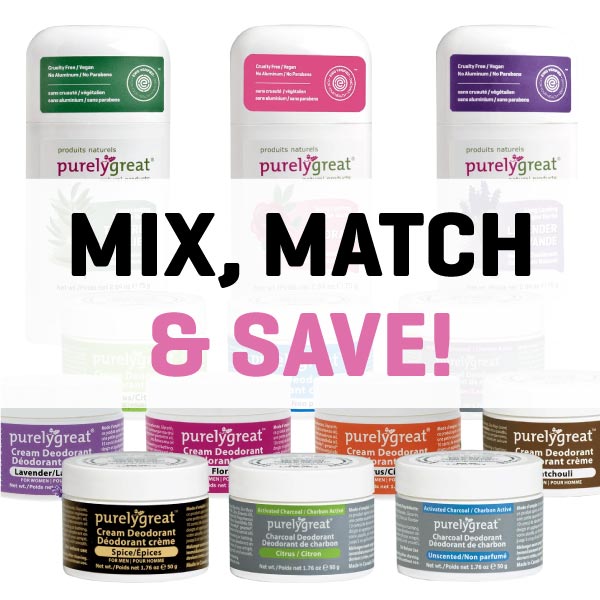
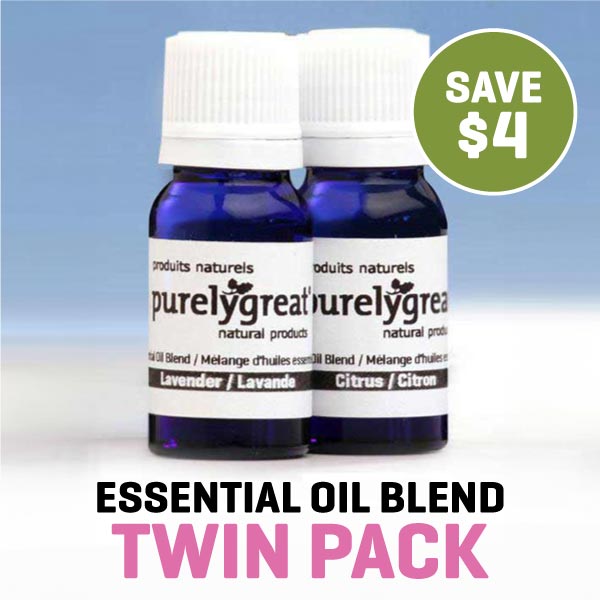
Essential oils are often what shape the scent experience. Lavender, tea tree, floral, citrus, patchouli, and spice each create a different feel, while unscented keeps the formula as minimal as possible within the line. That gives you room to choose based on personal preference, not just ingredient philosophy.
Scent is not a small detail. It can be the difference between a deodorant you tolerate and one you actually enjoy using every morning. Some people want something fresh and bright like citrus. Others want something grounding like patchouli or spice. Some want no added scent experience at all. When you are shopping natural deodorant, that sensory fit matters because consistency matters.
Essential oils also show why product choice is personal. The best ingredient list on paper is not automatically the best deodorant for your routine if you do not like the scent, the format, or the way it applies. Real-life use is part of the formula story.
How to read the full formula, not just one ingredient
One common mistake is judging a deodorant by a single ingredient without looking at what surrounds it. A more useful approach is to ask four simple questions. What helps with odor? What helps with moisture? What gives the formula structure? What makes it pleasant to apply?
When you read a formula that way, the ingredient list starts to make more sense. Baking soda is helping with odor. Corn starch helps manage moisture. Coconut oil and Candelilla wax help create texture, glide, and stability. Essential oils shape the scent profile. In charcoal cream, activated charcoal becomes part of that broader performance mix.
This approach also makes shopping easier. If you prefer a more traditional swipe-and-go routine, a stick may feel more natural. If you want more control over how much product you use, a cream can be a better fit. The ingredients may overlap, but the user experience can be quite different.
What ingredient transparency should tell you
Ingredient transparency is not about making a formula sound complicated or trendy. It is about helping you understand what you are putting on your skin every day. For a lot of shoppers, trust starts with short, recognizable ingredient lists and clear standards such as aluminum free, paraben free, vegan friendly, and EWG Verified.
That does not mean every natural deodorant will feel the same. Texture, scent, and format still shape the experience. A cleaner ingredient profile is part of the decision, but so is whether the deodorant fits your actual routine. The best choice is usually the one you will use consistently and comfortably.
If you are new to natural deodorant, give yourself permission to think practically. Look at the ingredients, but also think about your mornings, your commute, your activity level, and the scents you actually enjoy. A natural product should feel easy to live with, not like a compromise.
The simplest way to use this guide to natural deodorant ingredients is to stop asking which single ingredient is the hero and start asking whether the whole formula makes sense for your day. When it does, choosing a cleaner deodorant becomes a lot less confusing and a lot more doable.