








Switching deodorants can feel oddly high stakes. You use it every day, you count on it to work, and the minute you decide to try a cleaner option, you start wondering whether your routine is about to get complicated. A good natural deodorant transition example can make that change feel much more manageable because it sets realistic expectations from day one.
If you are moving from a conventional antiperspirant to a natural deodorant, the biggest shift is simple - natural deodorant helps manage odor, but it does not stop sweat the way aluminum-based antiperspirants do. That does not mean it is less effective for daily life. It means your body may need a little time to adjust while you find the format, scent, and application style that fits your routine.
A natural deodorant transition example in real life
Picture someone who has used a conventional antiperspirant stick for years. They work in an office, exercise a few times a week, and want a more ingredient-conscious option that still feels easy to use. They choose an aluminum-free deodorant made with straightforward ingredients and start on a Monday, expecting it to feel exactly the same by Friday.
On day one and day two, things are usually uneventful. The application feels different, especially if they chose a cream instead of a stick, but odor protection may still seem fine. By day three or four, they notice they are sweating more than they are used to. This is often the part that makes people think the switch is not working, when really they are comparing a deodorant to an antiperspirant.
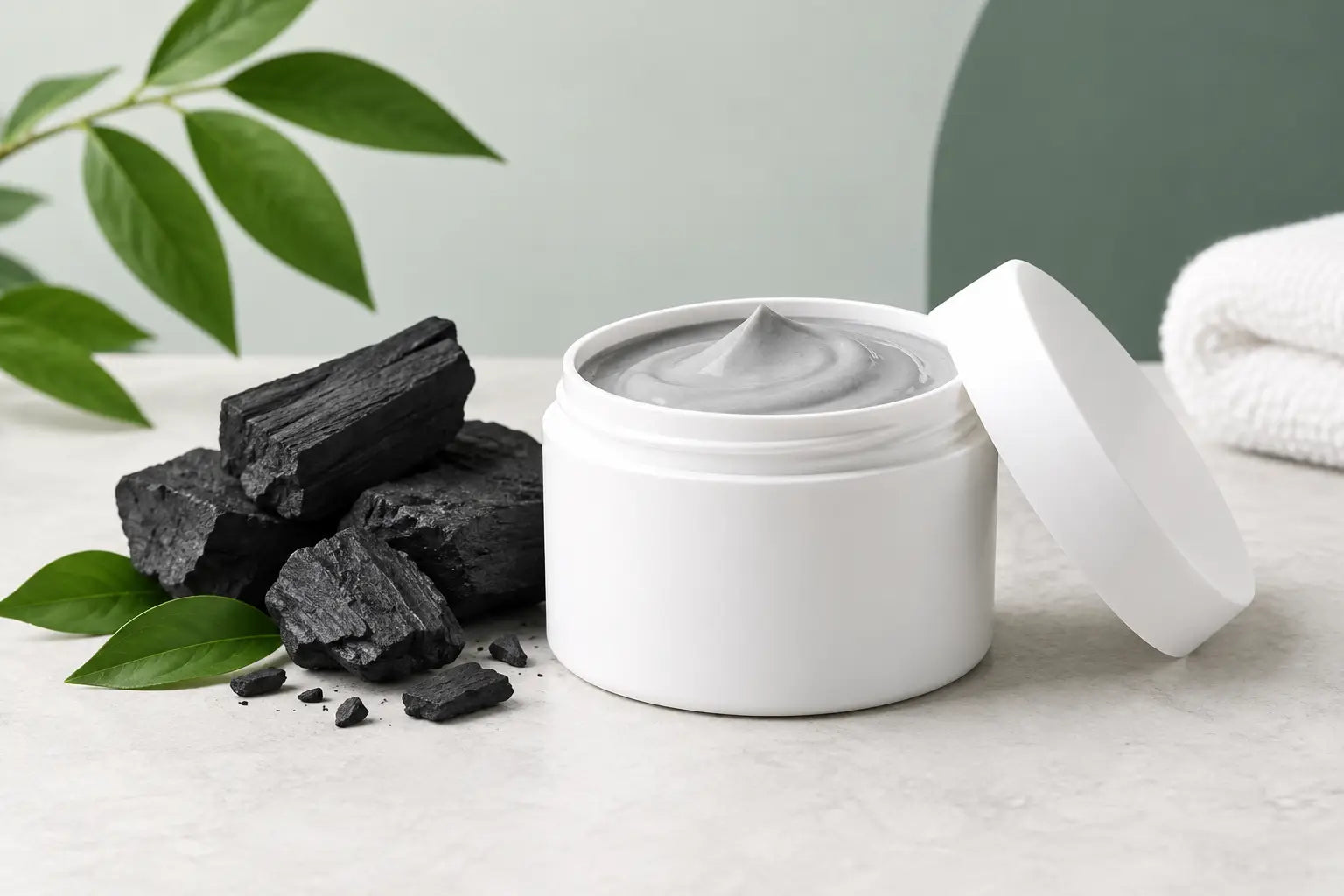
By the end of the first week, they may also become more aware of their body chemistry. A scent they loved from the tube can smell slightly different on skin after a long day. That is normal. Natural deodorant is not one-size-fits-all, which is why having options like stick deodorants, cream deodorants, and charcoal cream deodorants matters.
Week two is usually where the routine starts to settle. They apply a consistent amount, use it on clean, dry underarms, and notice that some days are better than others depending on stress, weather, activity, and clothing. By week three or four, many people feel they have a much clearer read on whether the formula, scent, and format are right for them.
That is the most useful natural deodorant transition example because it reflects what actually happens. It is rarely a dramatic overnight change. It is usually a short adjustment period followed by better routine awareness and a more intentional product choice.
What to expect during the transition
The first thing most people notice is moisture. If you are used to aluminum-based antiperspirant, your underarms may feel different simply because sweat is no longer being blocked in the same way. This can be surprising at first, especially in warm weather or during workouts, but it is part of the category change.
The second thing is odor timing. You may still feel fresh in the morning and early afternoon, then realize you need to reapply on a long or active day. That does not mean the deodorant failed. It may mean your schedule, body chemistry, or application amount needs a small adjustment.
The third thing is format preference. Some people want the familiarity of a stick. Others like the control of a cream, especially if they want to customize how much they use. Charcoal cream deodorant can also appeal to shoppers who prefer that texture and application style. The best choice depends less on trends and more on what you will use consistently.
How to make the switch smoother
Start with clean, dry skin and give the product a fair trial. Applying deodorant right after a shower often works best because your skin is clean and your routine is already consistent. If your underarms are damp, the product may not spread or settle as well.
Use a moderate amount instead of overapplying. With natural deodorant, more is not always better. Too little may leave you feeling unprotected, but too much can feel heavy. A few days of consistent use usually helps you find the right amount for your body.
It also helps to choose a scent you genuinely want to wear. Lavender, tea tree, floral, citrus, patchouli, spice, and unscented each create a different daily experience. Unscented can be a good choice for people who want the most minimal formula, while citrus or lavender may feel fresher and more noticeable during the day. This is a practical decision, not just a fragrance one, because liking the scent makes it easier to stick with the transition.
Clothing choices can matter too. Breathable fabrics often feel more comfortable during the first couple of weeks. If you are testing a new deodorant on the same day as a stressful commute, intense workout, and synthetic shirt, it can be hard to tell what is actually driving the experience.
Choosing the right product for your routine
The most successful switch usually comes from matching the product to your habits rather than chasing a perfect formula on paper. If you want a quick, familiar application before work, a stick deodorant may be the easiest place to start. If you prefer a hands-on routine and more control over coverage, a cream deodorant can feel more precise.
Charcoal cream deodorant may suit someone who already likes cream textures and wants another option within a natural routine. The important thing is not to assume one format is universally best. It depends on how you get ready, whether you travel often, how much product you like to apply, and what feels realistic for daily use.
This is also where ingredient transparency matters. For shoppers who are reading labels more carefully, choosing an EWG Verified deodorant that is aluminum free, paraben free, vegan friendly, cruelty free, and made in Canada can make the transition feel more aligned with the reason they wanted to switch in the first place. When the product fits both your values and your routine, it is easier to stay with it long enough to judge it fairly.
When people think natural deodorant is not working
Usually, one of three things is happening. They expected antiperspirant-level dryness from a deodorant. They picked a format that does not fit their routine. Or they gave up before their routine became consistent enough to evaluate.
There are also days when life simply asks more of your deodorant. Heat, workouts, stress, travel, and long hours can change the experience. A natural deodorant can still be the right choice, but you may need to reapply or choose a different format for certain days. That is not a flaw. It is part of using a product category designed for odor management rather than sweat blocking.
Another common issue is switching too many variables at once. If you are trying a new deodorant, new laundry detergent, and a new workout schedule all in the same week, it becomes harder to know what is actually affecting your results. Simpler testing usually gives clearer answers.
A better way to judge your transition
Instead of asking, "Did this feel exactly like my old antiperspirant?" ask better questions. Did I stay comfortable through a normal day? Did I like the scent and format enough to use it consistently? Did the product fit the cleaner routine I am trying to build?
That mindset shift matters because natural deodorant is often the first step into a broader low-toxin daily routine. Once people find a deodorant they trust, they tend to feel more confident about making other practical swaps in personal care and around the home. That is part of why deodorant is such a meaningful starting point - it is everyday, visible, and easy to evaluate.
For many shoppers, the real success story is not instant perfection. It is finding a product they feel good about using every morning and knowing what to expect from it. That is a more sustainable kind of confidence.
The transition gets easier with the right expectations
A strong natural deodorant transition example is not about pretending every person has the same experience. Some adjust quickly. Others need a few weeks to dial in scent, amount, and format. What matters most is choosing a product that supports your routine and giving yourself enough time to learn how it works for your body.
If you approach the switch with clear expectations, natural deodorant stops feeling like a gamble and starts feeling like a practical next step in a cleaner daily routine. Sometimes the best progress is simply sticking with the change long enough for it to become normal.