



A deodorant label can look simple until you are standing in front of several scents, formats, and ingredient names you do not recognize. Learning how to read deodorant labels helps turn that moment into an easier choice. Rather than shopping by scent alone, you can look for the details that match your priorities: an aluminum-free formula, recognizable ingredients, a format you will enjoy using, and standards that reflect a more conscious daily routine.
For many people switching from conventional personal care, the goal is not to memorize every ingredient in a few minutes. It is to know what information matters, where to find it, and how to use it to choose a deodorant you will use consistently.
Start With What the Product Is Designed to Do
The front of a deodorant package often gives the quickest overview. Look for the product type, such as stick deodorant, cream deodorant, or charcoal cream deodorant, then check the scent and key product statements. These details tell you what kind of everyday experience to expect before you reach the ingredient list.
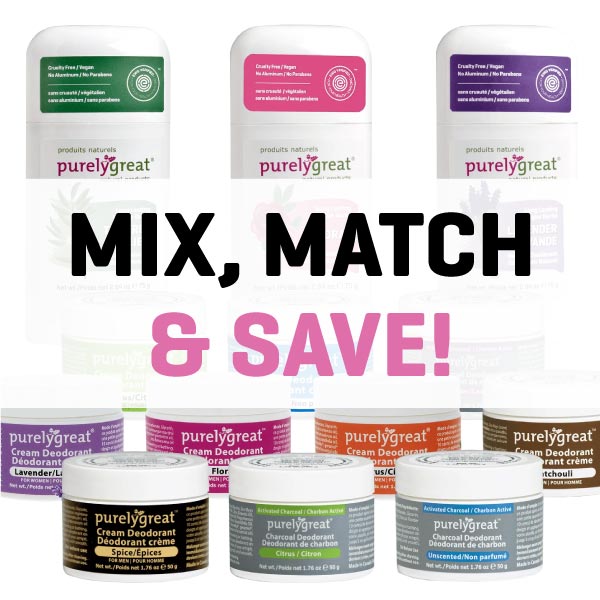
A deodorant is designed to support freshness and help manage underarm odor. If aluminum-free is part of your personal care preference, that statement belongs near the top of your checklist. Purelygreat deodorants are aluminum-free, and the brand also identifies its products as EWG Verified, paraben-free, vegan-friendly, and cruelty-free.
Those markers are useful, but they are not a substitute for reading the full label. A thoughtful choice comes from looking at the whole product: formula, format, scent, and how it fits your habits.
How to Read Deodorant Labels From Front to Back
The front panel is a starting point. The back or side panel is where you can usually find the ingredient list, directions, and other practical product information. Read these sections in order instead of jumping straight to a single ingredient that catches your eye.
Check the format first
Format affects how a deodorant feels in your routine. A stick is familiar and quick to apply, making it an easy option for busy mornings or gym bags. A cream deodorant is applied with your fingertips and gives you more control over how much you use. Charcoal cream deodorant offers the same hands-on application style with charcoal as part of the formula.
There is no universally best format. The right one depends on what feels natural to you. Someone who prefers a classic swipe-on application may reach for a stick, while someone who likes a more intentional application may prefer a cream. Reading the label helps confirm that you are choosing the format you actually want, not just the scent you like.
Read the ingredient list as a formula, not a test
Ingredient lists can feel technical, but you do not need a chemistry degree to get useful information from them. Start by checking whether the label clearly presents the full ingredient list. Transparent labeling makes it easier to understand what you are applying each day.
Purelygreat deodorant formulas include baking soda, corn starch, and nourishing ingredients such as shea butter. Baking soda is included across the deodorant line. Depending on the format and scent, the formula may also include charcoal or essential oils that create the product's fragrance profile.
Instead of treating a label as a pass-or-fail exam, consider the role each part plays in the overall product. A deodorant formula needs to be comfortable to apply, practical for daily use, and pleasant enough that you look forward to putting it on. The ingredients work together with the product format to create that experience.
Pay attention to fragrance information
Scent is personal, but it is still part of label reading. Some labels name a fragrance directly through a scent title, while an ingredient list can provide additional context about the essential oils used in a scented formula. If you prefer the fewest scent-related additions, an unscented option can be a straightforward place to start.
Unscented does not mean ingredient-free. It means the product is made without an added scent profile. It is still a complete deodorant formula, including baking soda.
For a more aromatic routine, choose a scent that suits when and where you wear it. Lavender can feel calm and familiar. Tea Tree has a clean, herbal character. Citrus is bright and fresh, while Floral, Patchouli, and Spice each bring a more distinct personality. The scent names available vary by format, so read the product label before assuming a favorite scent comes in every option.
Look Beyond the Ingredient Panel
A clear label should also help you understand how to use the product. Directions matter because cream and stick deodorants are applied differently. Using a small, appropriate amount and applying it to clean, dry underarms can make the daily experience simpler and less wasteful.
You can also look for brand-level information that reflects your values. For shoppers building a more mindful personal care routine, claims such as made in Canada, recyclable plastic packaging, and EWG Verified can add helpful context. These details do not tell the whole story on their own, but they can help you choose a product aligned with your approach to wellness and everyday consumption.
Packaging information is practical, too. Recyclable plastic can be a more convenient fit for a bathroom or travel bag, especially if you want a durable option that supports your low-waste habits. When the product is finished, check your local recycling guidelines for what is accepted in your area.
Know What Matters Most to You
The best way to avoid label overload is to decide on your priorities before you shop. You may care most about an aluminum-free deodorant. You may want an EWG Verified option, a vegan-friendly formula, a specific scent, or a cream instead of a stick. When you know your top two or three priorities, the label becomes easier to scan.
For example, a person seeking a minimal scent profile might begin with Unscented and then choose between stick, cream, or charcoal cream. Someone who wants a brighter morning scent could compare Citrus cream and Citrus charcoal cream. If a classic stick is the preferred format, Unscented, Lavender, Tea Tree, Floral, and Spice offer different scent directions.
This is also where personal preference matters more than a trendy ingredient or a popular social media recommendation. A deodorant can have a clean ingredient approach and still not be your favorite if you dislike its application style or fragrance. A label gives you the information to make a choice based on your real routine.
A Simple Label-Reading Routine for Your Next Purchase
When comparing deodorants, take a moment to review four things: the format, the scent, the complete ingredient list, and the product standards that matter to you. Then consider when you will use it. Is it for everyday workdays, workouts, travel, or a quieter evening routine? A product that works with your habits is more likely to become a dependable part of your day.
It can also help to keep your first switch simple. Choose one format you already feel comfortable using and one scent that feels easy to wear. Once you know what you enjoy, trying another format or fragrance becomes a more informed decision rather than a guess.
Make Label Reading Part of Your Routine
Reading deodorant labels is not about chasing perfection or worrying over every unfamiliar word. It is about choosing with more clarity. When you understand the format, scan the full formula, recognize the scent options, and check the standards behind the product, you can shop with confidence.
A good deodorant label should make your choice feel more straightforward, not more complicated. Let it guide you toward an effective aluminum-free natural deodorant that feels right for your everyday routine and the natural lifestyle you want to embrace.