






That familiar swipe of deodorant is supposed to bring confidence, not a painful, itchy rash. If you're dealing with red, irritated armpits, you're not alone. A deodorant rash is a common and frustrating problem, turning a simple daily routine into a source of discomfort. It can be confusing, especially when a long-trusted product suddenly causes irritation, leaving you worried about how to stay fresh without the burn.
We’re here to help. This guide will walk you through the common causes of underarm irritation. We'll share simple, natural ways to soothe your skin for quick relief. Most importantly, you will learn how to choose a gentle, effective, and aluminum-free deodorant that works with your body, not against it. It's time to feel comfortable and confident in your skin again, free from irritation.
What is a Deodorant Rash? Identifying Your Armpit Irritation
Finding a red, itchy rash in your armpits is frustrating, especially when you’ve made a healthy switch to natural deodorant. This reaction, known as a deodorant rash, is a form of contact dermatitis. It happens when your skin reacts to an ingredient applied to your underarms. The irritation can appear right after trying a new product or, surprisingly, even with a deodorant you’ve used safely for years.
Understanding what you’re seeing is the first step to feeling better. Common symptoms include:
- Redness or discoloration of the skin
- Persistent itching or a burning sensation
- Small bumps, pimples, or even blisters
- Dry, scaly, or flaky skin
Your skin is unique, and its reaction usually falls into one of two categories. Pinpointing the type of reaction can help you find a solution faster.
Irritant Contact Dermatitis: The Most Common Cause
This is the most frequent reason for underarm irritation. It’s not a true allergy but a direct physical reaction to an ingredient that your skin finds too harsh. This can happen to anyone, even if you don't have sensitive skin. The connection between certain deodorant ingredients and skin irritation is well-documented, with symptoms like redness and a burning feeling often appearing quickly after you apply the product.
Allergic Contact Dermatitis: Your Immune System Reacts
Less common but more severe, this is a true allergic reaction. Your immune system identifies a specific ingredient as a threat and launches a response to fight it. This sensitivity can develop over time, which explains why a deodorant you’ve loved for years can suddenly cause a problem. An allergic deodorant rash is typically defined by intense itching, bumps, and sometimes even blistering. Once you develop an allergy to an ingredient, your body will always react to it.
The Common Culprits: Top 4 Ingredients That Cause Deodorant Rash
Finding a red, itchy rash under your arms is frustrating, especially when you’ve chosen a product you believe is healthier. But the word “natural” doesn’t always mean non-irritating. Your skin is unique, and certain ingredients-both natural and synthetic-can be personal triggers.
Learning to read the ingredient label is the first step to understanding what’s causing your discomfort. Here are the most common culprits behind that dreaded deodorant rash.
1. Fragrance (Natural and Synthetic)
Fragrance is one of the leading causes of skin allergies in all cosmetics. Vague terms like "fragrance" or "parfum" on a label can legally hide dozens of unlisted chemicals. While we love beautiful scents, even 100% natural essential oils can be potent allergens for sensitive skin. If your underarms are irritated, an unscented formula is a great place to start.
2. Baking Soda (Sodium Bicarbonate)
Baking soda is a popular odor-fighter in many natural deodorants. However, its high alkaline pH can disrupt your skin's delicate natural barrier, which is slightly acidic. This imbalance can lead to irritation, redness, and sometimes a dark, painful rash. For many, this is the primary source of irritation when switching to a natural deodorant for the first time.
3. Preservatives and Alcohols
Ingredients like parabens and propylene glycol are used to keep products fresh, but they can be harsh on the skin. This type of reaction is a form of contact dermatitis, and as detailed in many guides on Deodorant Allergy Causes and Treatment, preservatives are a well-known trigger. Similarly, some alcohols can be extremely drying, stripping the skin of its natural moisture and leading to irritation.
4. Aluminum Compounds
Found in antiperspirants (not true deodorants), aluminum salts work by temporarily plugging your sweat ducts to stop perspiration. This physical blockage can cause irritation, bumps, and itching for some people. It is one of the main reasons so many health-conscious individuals choose effective, aluminum-free options for their daily routine.
The 'Armpit Detox' Myth: Is Your Rash a Good Sign? (No!)
If you've searched for answers about your underarm irritation, you have likely come across a persistent myth: the idea that a rash is a sign of your body "detoxing" from years of antiperspirant use. We are here to tell you, with confidence, that this is not true.
Let's be clear: a deodorant rash is your skin sending a distress signal. It is a sign of irritation or an allergic reaction, not a healthy purge. Your body already has an amazing, built-in detoxification system: your liver and kidneys. Their job is to filter and remove waste. Your armpits are not part of that process.
Ignoring this signal and continuing to use a product that causes a reaction can worsen the irritation and damage your skin barrier. Pushing through the pain is never the answer. Honesty and transparency are core to our values, and the truth is that a rash is a problem to be solved, not celebrated.
Where Did This Myth Come From?
This myth likely grew from the early days of natural deodorant when many formulas relied heavily on baking soda, a common skin irritant. As people switched and reacted, the "detox" theory offered a positive spin on a negative experience. While switching to an all-natural, aluminum-free deodorant is a wonderful choice for a healthier lifestyle, the goal is to find a product that works with your body, not against it.
What's Actually Happening When You Switch Deodorants
There can be a brief adjustment period when you stop using an aluminum-based antiperspirant. Your sweat ducts are no longer blocked, so you might notice a temporary increase in sweat or a change in your body odor as your microbiome rebalances. This is normal and should not be painful. A red, itchy, or burning rash is different. This reaction is often a form of contact dermatitis from deodorant, where an ingredient is causing direct inflammation on your skin. Your body is telling you that something in the formula doesn't agree with you.
How to Treat a Deodorant Rash: A 4-Step Soothing Plan
Discovering an uncomfortable rash under your arms can be discouraging, but don't worry. Relief is straightforward. Think of this simple, four-step plan as a gentle reset for your skin, designed to calm irritation and restore your underarms to their healthy, happy state. This process will help you effectively treat a mild deodorant rash at home.
Step 1: Stop Using the Product Immediately
The first and most important step is to stop using the deodorant you suspect is causing the irritation. This removes the trigger and gives your skin the chance to begin its natural healing process. If possible, try to go without any deodorant for two to three days to let your underarms breathe and recover fully.
Step 2: Cleanse Gently
Wash the affected area with a simple, fragrance-free soap and lukewarm water. Avoid hot water, which can increase inflammation. Instead of scrubbing with a washcloth, use your fingertips to gently cleanse the skin. When you're done, pat the area completely dry with a soft, clean towel. Being gentle is key to preventing further irritation.
Step 3: Soothe and Calm Inflammation
To reduce itching and redness, a cool compress can work wonders. Simply soak a soft cloth in cool water and hold it against your underarms for 10-15 minutes. For more persistent itching, a thin layer of an over-the-counter 1% hydrocortisone cream can provide temporary relief. Use it sparingly and only for a few days.
Step 4: Moisturize and Protect
Once the area is clean and dry, apply a simple, pure moisturizer to help repair the skin's barrier. Great natural options include:
- Pure aloe vera gel
- Unrefined coconut oil
- A fragrance-free, hypoallergenic lotion
Important: While most cases of irritation are minor, please consult a doctor or dermatologist if your rash is severe, painful, blistering, or does not improve after a week of home care. If you have concerns about a persistent skin issue that could be an infection, services like mrsatest.co.uk offer at-home testing for conditions such as MRSA.
How to Choose a Deodorant for Sensitive Skin & Prevent Future Rashes
After treating an uncomfortable deodorant rash, the last thing you want is a repeat experience. The good news is that prevention is possible. Finding a natural deodorant that works with your body is the key to staying fresh, confident, and irritation-free. Arming yourself with a little knowledge will help you choose your next product with confidence.
Look for Baking Soda-Free Formulas
For many people, making this one simple switch is all it takes to prevent future irritation. Baking soda is an effective deodorizer, but its high pH can disrupt your skin's natural balance, leading to redness and rashes. Instead, look for gentle, effective alternatives that respect your skin.
- Magnesium Hydroxide: A gentle mineral that effectively neutralizes odor-causing bacteria without being absorbed into the skin.
- Tapioca Starch: A natural, plant-based powder that helps absorb moisture to keep you feeling dry and comfortable.
Choose Fragrance-Free or Essential Oil-Free Options
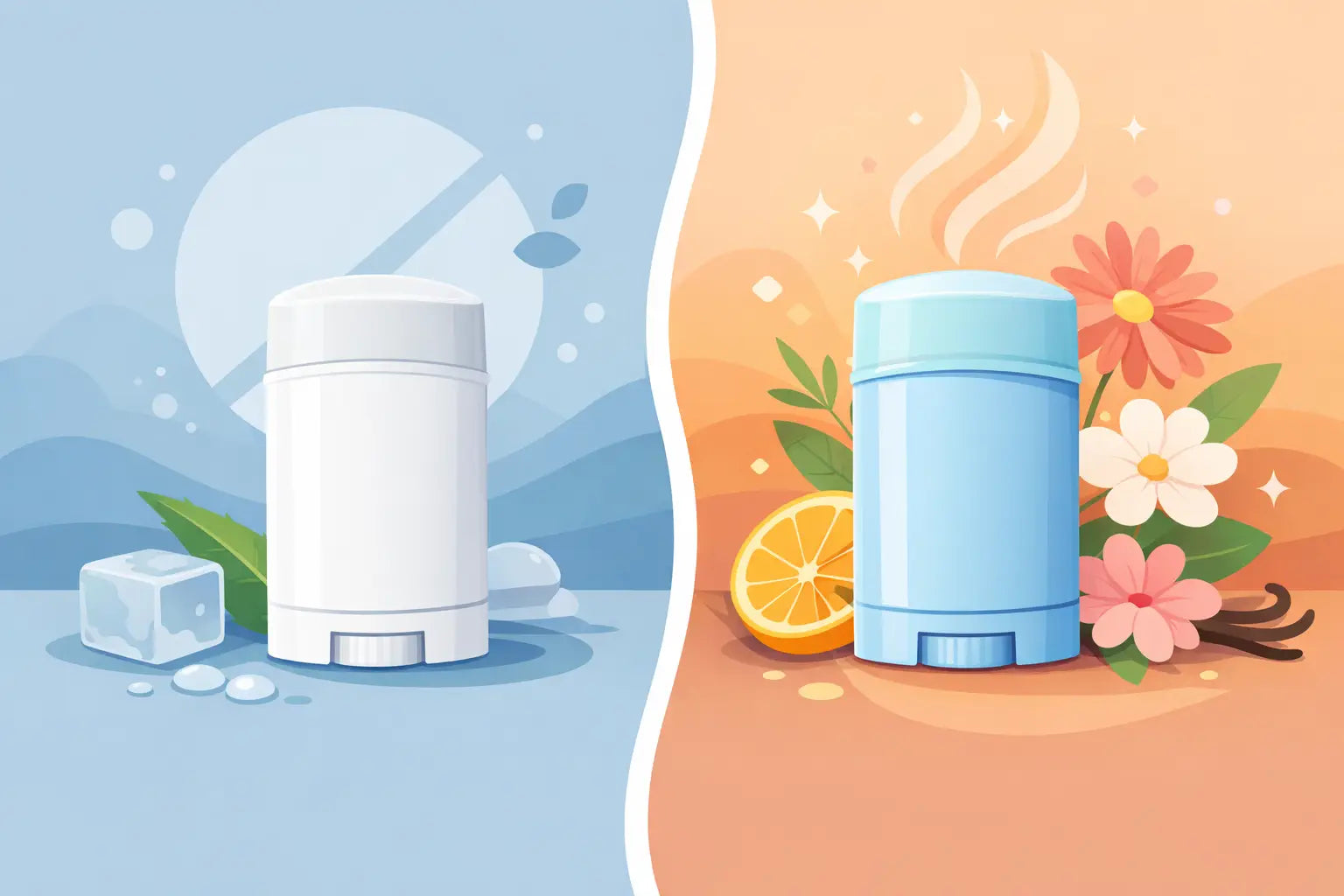
Fragrances, whether synthetic or from natural essential oils, are the number one cause of allergic contact dermatitis. If your skin is highly reactive, your safest choice is a completely unscented product. It’s important to know the difference: fragrance-free means no fragrances have been added, while unscented products may contain masking chemicals to hide the smell of the base ingredients.
Read the Ingredient List
When it comes to sensitive skin, less is always more. A long, complicated ingredient list means more potential irritants. We believe in transparency and simplicity. Look for products with short, recognizable ingredient lists. The fewer ingredients, the lower your risk of a reaction. This philosophy of clean, simple, and effective care is at the heart of what we do.
Ready for a gentle option that actually works? Explore our natural deodorants.
Your Path to Calm, Happy Underarms
Dealing with underarm irritation is frustrating, but understanding the cause is the first step toward relief. Remember that a true deodorant rash is a sign of sensitivity to specific ingredients, not a 'detox' process. By identifying common culprits like aluminum, baking soda, and synthetic fragrances, you can soothe your skin and, more importantly, prevent future flare-ups from happening.
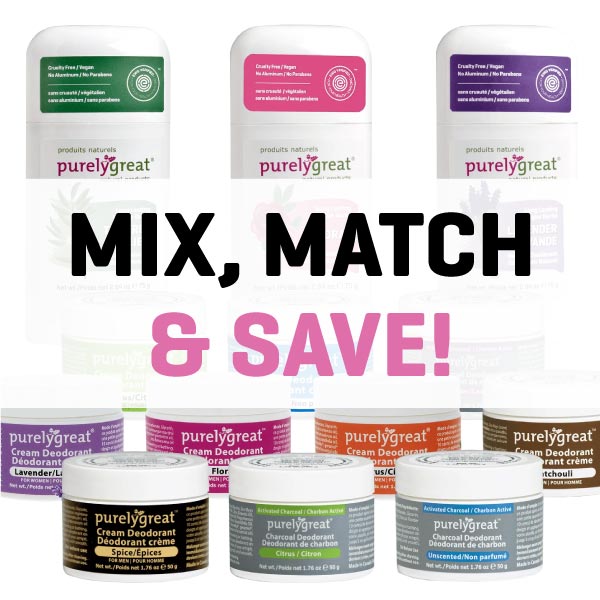
Ready to make a change? The best way to protect your skin is by choosing a deodorant made with your well-being in mind. Our formulas are created with simple, natural ingredients you can trust. We offer effective, long-lasting options that are always Aluminum-Free & Baking Soda-Free. Plus, all of our products are Vegan & Cruelty-Free Certified, so you can feel great about what you’re putting on your body.
Find your gentle, effective, and all-natural deodorant today. It’s time to say goodbye to irritation and hello to lasting comfort and confidence.
Frequently Asked Questions
How long does a deodorant rash last?
A mild deodorant rash usually clears up within a few days to a week after you stop using the product. To help your skin heal, temporarily avoid all deodorants and keep the area clean and dry. If the irritation is severe, painful, or lasts longer than two weeks, we recommend consulting a healthcare professional. Your well-being is our top priority.
Can you suddenly become allergic to a deodorant you've used for years?
Yes, it is possible. Your body can develop a new sensitivity to an ingredient at any time, even one you have used without issue for years. This is known as acquired contact dermatitis. If you notice new irritation, it’s a good idea to stop using the product and check the ingredient list for potential culprits like essential oils or baking soda, which can sometimes cause a reaction over time.
What's the difference between a deodorant rash and a heat rash?
A deodorant rash is a form of contact dermatitis caused by an ingredient in your product. It often appears red, itchy, and scaly directly where you apply deodorant. In contrast, a heat rash is caused by blocked sweat ducts. It typically looks like small, red, prickly bumps or tiny blisters and can appear in any area where sweat gets trapped, not just the underarms.
Is it better to use a stick, cream, or spray deodorant for sensitive skin?
The best format often comes down to personal preference and ingredients. Cream deodorants can be very gentle as you control the application amount, ensuring a thin, even layer. For sensitive skin, the most important factor is the formula itself. Look for products that are free from common irritants like baking soda or specific essential oils and are designed for sensitive skin, regardless of their form.
My natural deodorant is making my armpits dark. What does that mean?
Darkening underarms can be a sign of post-inflammatory hyperpigmentation (PIH). This happens when your skin produces extra pigment in response to irritation or inflammation from an ingredient in your deodorant. It’s your skin's way of healing. To address this, stop using the product causing the reaction and allow your skin time to recover. The discoloration typically fades over time once the irritant is removed.
How can I do a patch test for a new deodorant?
A patch test is a simple way to check for a reaction. Apply a small amount of the deodorant to a discreet area of skin, like your inner wrist or the crook of your elbow. Leave it on for 24 hours, keeping the area dry. If you experience any redness, itching, burning, or irritation during that time, it's best not to use the product on your sensitive underarms.