



A few years ago, most deodorant shoppers started with scent and price. Now they often start by flipping the package over. That shift is at the heart of clean ingredient shopping trends, and it is changing how people choose everyday personal care products, especially deodorant.
For many shoppers, the move is not about chasing perfection. It is about feeling more informed. People want products that fit a lower-toxin routine, offer straightforward ingredient information, and still do the basic job well. In deodorant, that means shoppers are paying closer attention to what is inside, what is left out, and whether the product feels practical enough to use every day.
Why clean ingredient shopping trends matter in deodorant
Deodorant sits in a very personal category. It is used daily, applied directly to the skin, and often repurchased on a regular cycle. Because of that, even small changes in shopping behavior show up quickly here.
What shoppers want has become more specific. They are not only looking for aluminum free options. They also want clear trust markers, vegan friendly formulas, cruelty free standards, and ingredient lists that do not feel confusing or overly technical. In many cases, they are trying to simplify their routine rather than add another complicated wellness decision.
That is why clean ingredient shopping is less about trends in the fashion sense and more about habit change. Once someone starts reading labels on deodorant, they often start doing the same with the rest of their routine.
Shoppers are reading ingredient lists with more purpose
One of the clearest clean ingredient shopping trends is that people are no longer scanning labels casually. They are shopping with a checklist.
In deodorant, this usually starts with familiar concerns. Many consumers actively look for aluminum free and paraben free formulas because those claims are easy to understand and easy to compare. From there, they often look for reassurance that the product matches broader values, such as vegan friendly ingredients, cruelty free practices, and clean-label standards.
But there is a trade-off here. A longer ingredient list is not automatically worse, and a shorter one is not automatically better. What matters more to shoppers is whether the ingredients feel transparent and purposeful. If a formula uses ingredients people recognize, such as coconut oil, corn starch, or candelilla wax, it tends to feel more approachable than a formula filled with unfamiliar language.
That does not mean every shopper wants to study every line. Many simply want enough clarity to feel confident about what they are buying.
Trust signals are doing more work
As shelves and online stores get more crowded, shoppers are using trust signals to narrow the field faster. This is one reason EWG Verified products attract attention. For people trying to make cleaner personal care choices, a recognizable verification mark can remove some of the guesswork.
This trend matters because most shoppers do not have time to research every ingredient from scratch. They want support in the decision process. Clear claims, transparent ingredient pages, and consistent product information all help reduce hesitation.
At the same time, shoppers are getting better at spotting vague marketing. General language about being natural or clean is often not enough on its own anymore. People want to see how those ideas show up in the actual product details.
For deodorant brands, that means the shopping experience matters almost as much as the formula. When a customer can quickly understand the scent, format, ingredient profile, and key standards, the product feels easier to trust.
Format choice is now part of clean shopping
Another important shift is that clean ingredient shopping trends are not only about ingredients. They are also about finding a format that makes a clean routine realistic.
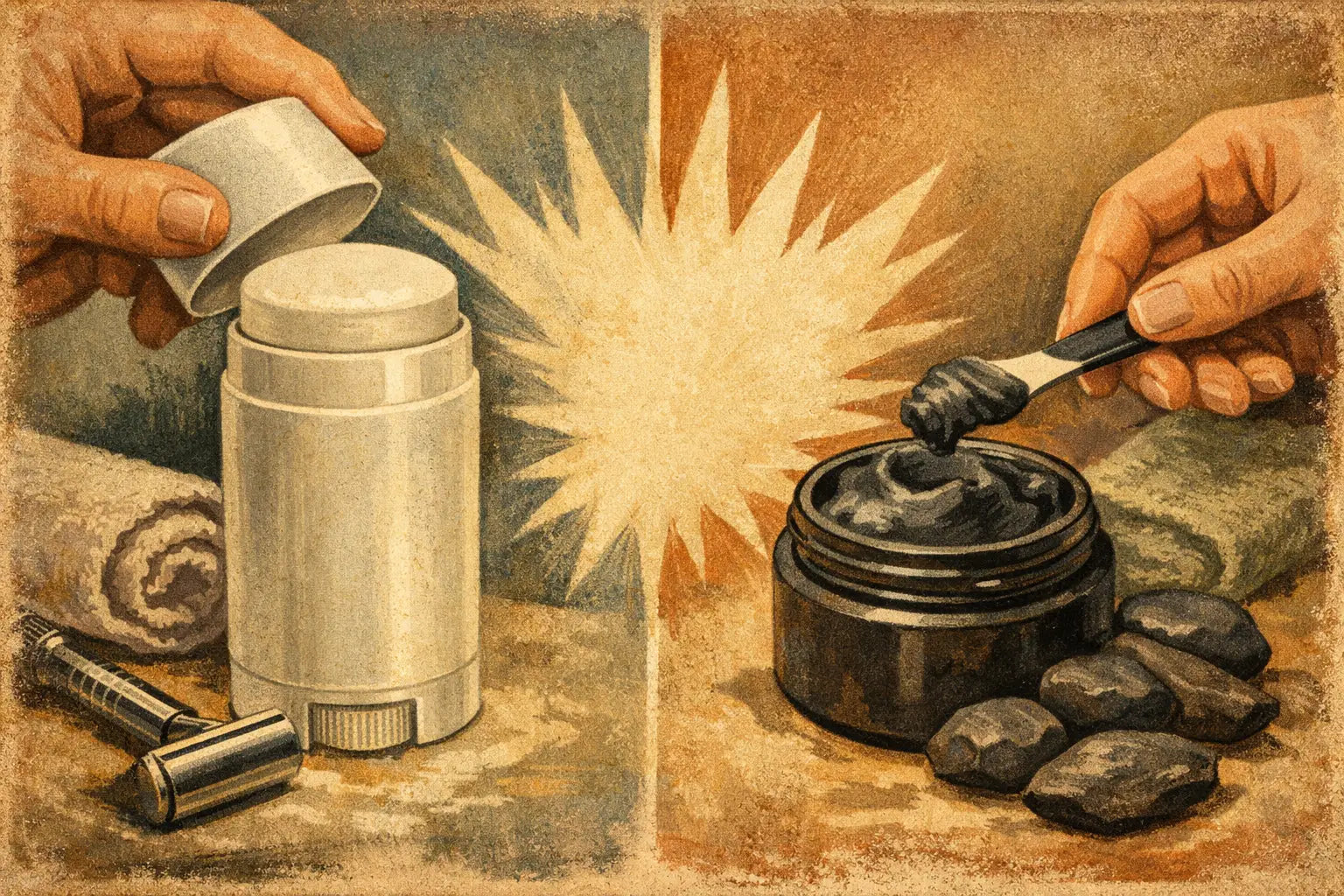
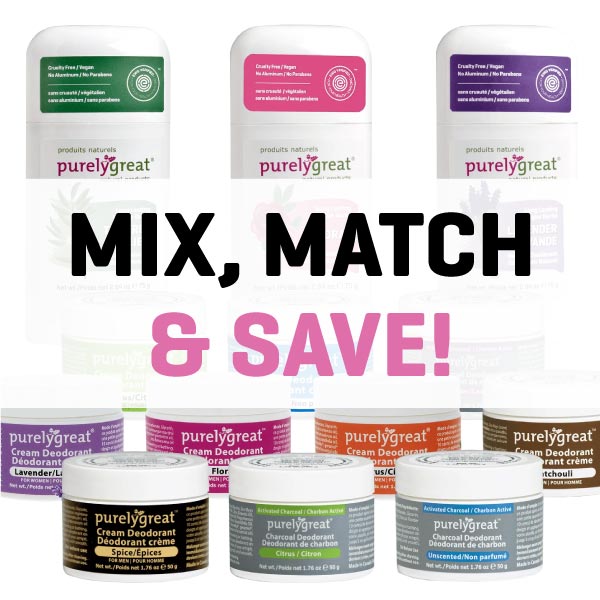
Some shoppers want the familiarity of a stick deodorant because it fits what they already know. Others prefer cream deodorant because it feels more intentional or offers a different application experience. Charcoal cream deodorant may appeal to shoppers who want a formula variation within the same clean-label mindset.
This matters because routine fit affects consistency. A shopper may love the idea of cleaner ingredients, but if the format feels inconvenient, the product may not become a repeat purchase. The most successful clean personal care products are usually the ones that combine ingredient confidence with everyday ease.
That is why offering several deodorant formats can be helpful. It acknowledges that there is no single perfect product for everyone, even when people share similar ingredient priorities.
Scent is becoming a wellness decision, not just a fragrance choice
Scent used to be treated as a secondary feature. Now it often plays a bigger role in clean shopping decisions.
Some shoppers gravitate toward unscented because they want the most minimal option in their routine. Others prefer a scent that supports how they want to feel during the day, whether that is the calm familiarity of lavender, the freshness of tea tree or citrus, the softness of floral, or the earthier character of patchouli or spice.
This is a subtle but important shift. Clean shopping is often tied to lifestyle alignment. People are not just buying deodorant to avoid odor. They are buying a product that feels compatible with how they want their bathroom shelf, morning routine, and overall wellness habits to look and feel.
The practical takeaway is simple. Scent choice can be emotional, but it still needs to be easy to shop. Clear scent families and straightforward descriptions help customers choose without overthinking.
Consumers want clean products that still feel effective
This may be the most important trend of all. People are interested in cleaner ingredients, but they are not willing to give up performance just to feel virtuous at checkout.
In deodorant, shoppers expect odor control, comfort in daily wear, and a formula they can rely on through work, errands, and regular movement. If a clean product feels inconsistent, many people will go back to what they used before.
That is why effective aluminum-free natural deodorant has become such a strong shopping priority. Consumers want reassurance that they do not have to choose between cleaner standards and daily usefulness. The brands that earn loyalty are usually the ones that make this feel normal and achievable, not like a compromise.
There is some nuance here, though. Effectiveness can feel different from person to person depending on routine, climate, activity level, and scent preference. Clean shopping trends are pushing brands to be more realistic about that. Shoppers appreciate honesty and clear product guidance more than broad promises.
Eco-minded buying is becoming more practical
Sustainability still matters, but shoppers are approaching it with more realism than before. They want products that support conscious living without creating a complicated routine.
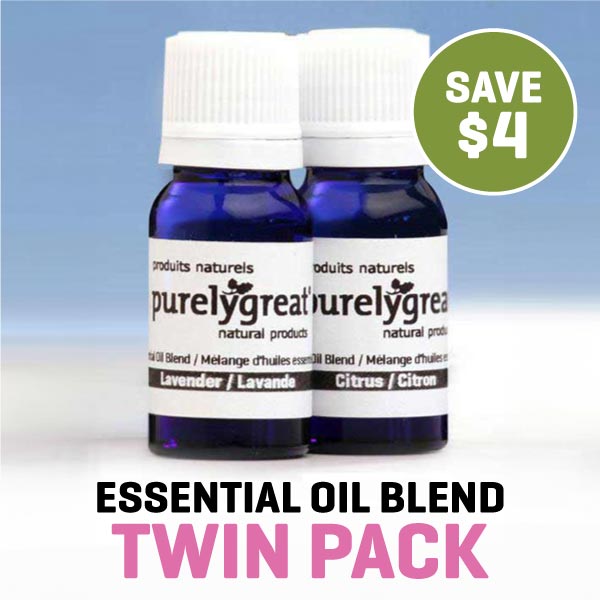
In deodorant, this often shows up as interest in recyclable packaging, low-waste habits, and buying patterns that reduce unnecessary extras. Some customers prefer value packs because they simplify repurchasing. Others like building a small rotation of scents and formats that match different seasons or routines.
The bigger trend is that clean shopping is becoming more integrated. Instead of treating deodorant as a one-off swap, shoppers are looking at how it fits with other personal care and home choices. A deodorant purchase can be the first step into a broader natural lifestyle.
That is part of why brands like Purelygreat resonate with customers making this transition. When the product line supports a wider wellness routine, shopping feels simpler and more connected.
What these clean ingredient shopping trends mean for buyers
If you are shopping for deodorant right now, the trend is actually working in your favor. There is more information available, more format choice, and more emphasis on transparency than there used to be.
The best approach is not to chase every buzzword. Focus on what matters most to you. That might be aluminum free protection, EWG Verified standards, vegan friendly ingredients, a specific scent profile, or a format that fits easily into your day. Start there, then narrow your options based on clear product details rather than vague promises.
It also helps to think in terms of routine, not just product. A deodorant that suits your habits, preferences, and values is more likely to become a lasting part of your lineup than one that only sounds good on paper.
Where clean ingredient shopping trends are headed next
The next phase of clean shopping will likely be less about bigger claims and more about better clarity. Shoppers are getting more confident, more selective, and less impressed by generic language. They want proof, plain-English ingredient information, and options that make clean living feel practical.
For deodorant, that means the winning products will continue to balance simple formulation choices, recognizable standards, and real everyday usability. The category is maturing. Consumers are no longer asking whether clean personal care exists. They are asking which product fits them best, and why.
That is a healthier place for shopping to be. When people can choose based on trust, routine, and clear information, clean personal care feels less like a trend and more like a smart everyday decision.