









As an athlete, you’re used to pushing your body and managing the sweat that comes with it. So the idea of switching from your tried-and-true antiperspirant to a natural deodorant might sound risky. What if it doesn’t hold up during intense training? What if you start smelling halfway through your workout? These are all valid concerns. Yet, more and more athletes are making the switch for good reason, whether it's to avoid harsh ingredients, reduce skin irritation, or support long-term health. And while the benefits are real, the transition isn’t always seamless. Learn what to expect when transitioning from antiperspirant to natural deodorant right here. Prepare for the common challenges, learn how to make the adjustment smoother, and find out why your body just might thank you in the long run.
Why Are Athletes Increasingly Transitioning from Antiperspirant to Natural Deodorant
If you're training hard, staying consistent, and fueling your body right, it only makes sense to be just as intentional about what you put on your body. That’s why more athletes are trading conventional antiperspirants for natural deodorants. The key difference? Antiperspirants are designed to block sweat, usually withaluminum-based compounds that plug your sweat glands.
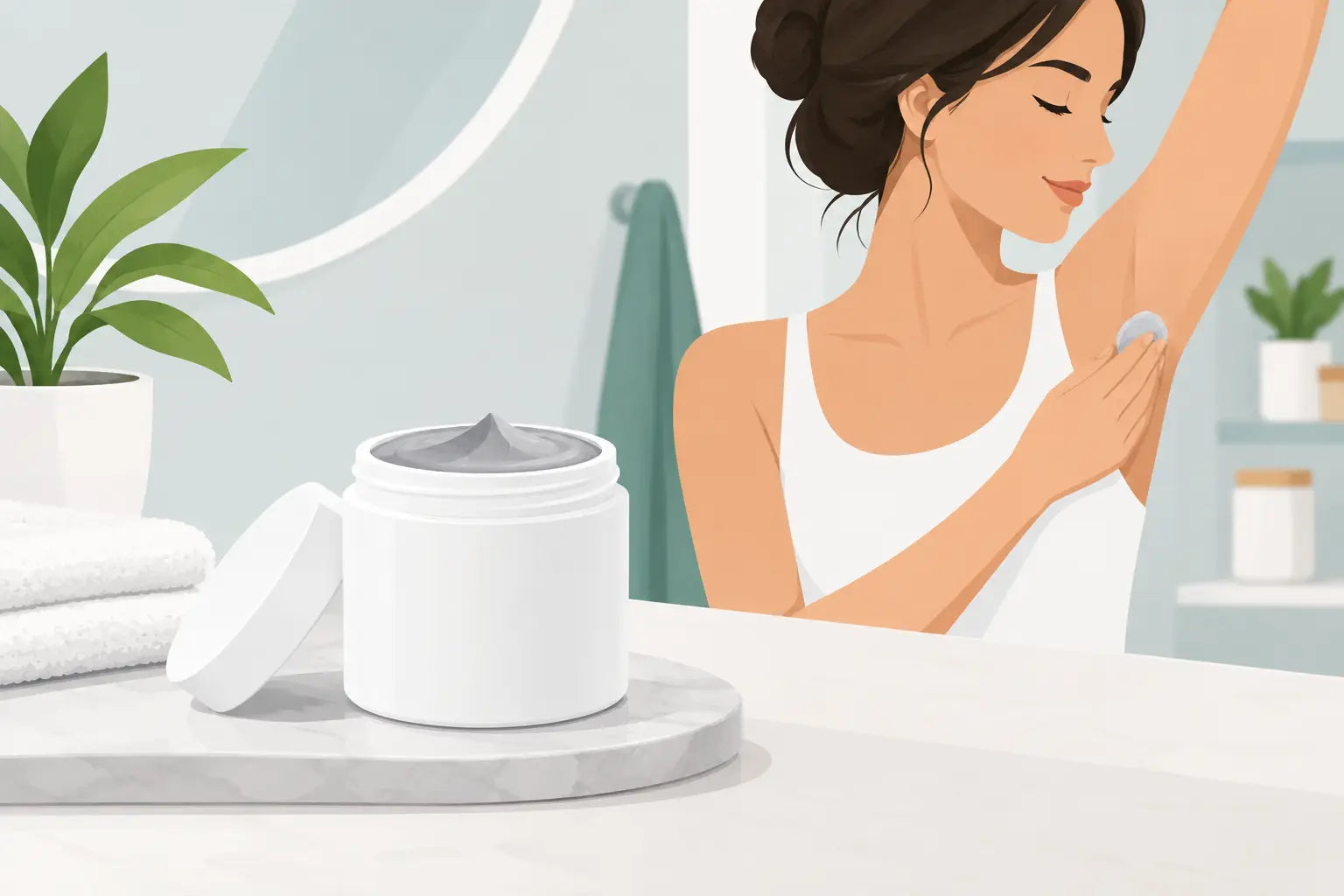
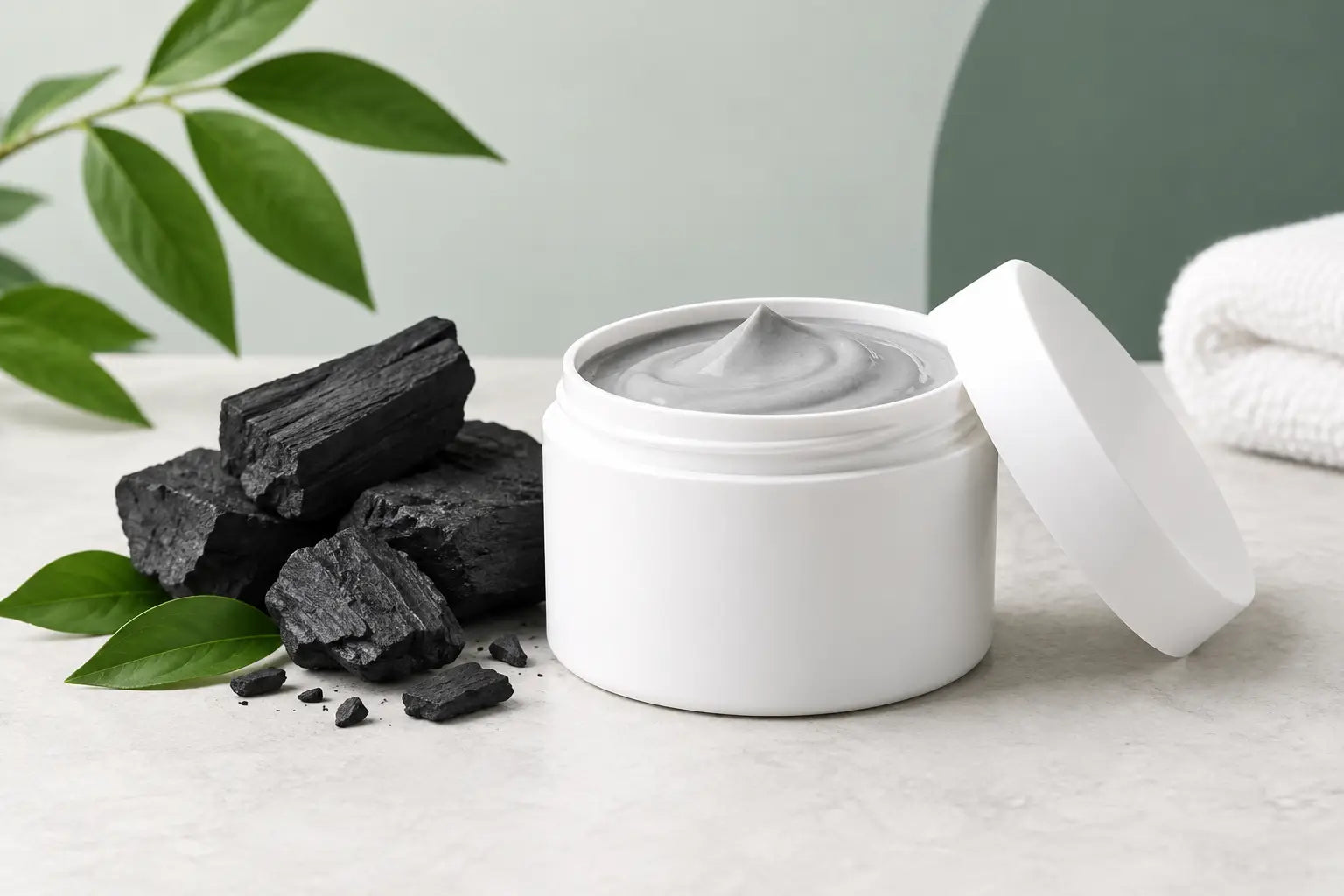
Natural deodorants, on the other hand, don’t stop sweat. Rather, they neutralize odor using ingredients like baking soda, magnesium, or charcoal. That might sound like a downgrade, but for many active people, it’s a step toward better skin health and overall wellness.
Frequent workouts mean more sweating, more friction, and more reapplication. Over time, this can lead to irritation or clogged pores, especially in the sensitive underarm area. Natural deodorants offer a gentler alternative, especially for those dealing with rashes, bumps, or breakouts. Plus, with growing awareness around long-term exposure to certain chemicals, many athletes are choosing to simplify their routines and cut out ingredients they can’t pronounce.

Caption: Athletes care about their bodies. Thus, it’s only natural that an increasing number of them are transitioning from antiperspirant to natural deodorant.
What to Expect During the Transition
Switching from antiperspirant to natural deodorant is a process your body has to adjust to. And yes, it can be a bit uncomfortable at first. When you stop using antiperspirants, your sweat glands (finally unblocked) start working the way they were designed to. This often leads to increased sweat, stronger odor, and sometimes even skin sensitivity during the first 2-4 weeks. The good news is, it’s all temporary. Once your microbiome and sweat glands adjust, odor usually balances out, and sweat production can stabilize.
While transitioning from antiperspirant to natural deodorant, make sure you're supporting your body the same way you would during any major change, like adjusting to a new training cycle. In other words, stay hydrated, nourish your skin, and avoid overloading your system with harsh products. These simple self-care habits aren’t just useful now; they’re the same small things that add up to healthier aging in the long run. Approaching the transition with this kind of mindset can help youmake the process more graceful, and that's one of the top secrets of healthy aging.
What Science Says About Sweat, Odor, and Adjustment
If you’re wondering why the transition can feel so intense, science has a few answers and some reassurance, as well. A 2016 study by researchers at Ghent University in Belgium found that antiperspirants can significantly alter the microbial ecosystem of your underarms. When participants stopped using antiperspirant, the types and balance of bacteria on their skin shifted, often increasing odor temporarily. This is because aluminum-based products suppress the bacteria responsible for body odor, but once usage stops, those bacteria rebound until your skin’s microbiome stabilizes again.
In other words, the “detox” phase isn’t a myth. Your body is rebalancing itself after years of being blocked and artificially controlled. For athletes, who sweat more frequently and intensely, this can feel amplified, but it’s still a short-term response, not a permanent setback.
The study also suggests that after the initial adjustment period, natural deodorant users often develop a healthier and more stable underarm microbiome, which can actually lead to less odor over time. So while it’s frustrating in the beginning, the long game is in your favor.
How to Ease the Transition
When you’re sweating more than the average person, the idea of switching to a deodorant that doesn’t block sweat can feel like a setup for disaster. But with the right strategies, you can make the most of this period, even during high-output training blocks.
Here are a few athlete-tested tips to help your body adjust:
1. Stay Hydrated
Hydration doesn’t just support performance. In fact, it helps your body flush out toxins more efficiently. The more hydrated you are, the more smoothly your system can regulate itself during the detox phase.
2. Wear Breathable, Sweat-Wicking Fabrics
Choose workout clothes made from natural fibers or performance blends that let your skin breathe. This helps reduce chafing and keeps odor-prone areas drier throughout the day.
3. Cleanse Gently but Consistently
Use a mild exfoliant or charcoal soap a few times a week to help remove buildup and odor-causing bacteria from your underarms. But don’t overdo it! Scrubbing too hard can irritate your skin and make things worse.
4. Apply Deodorant on Clean, Dry Skin
Always apply natural deodorant to clean, dry underarms. Applying it right after a workout or on damp skin can reduce its effectiveness.
5. Reapply as Needed
Unlike antiperspirants, natural deodorants may need a midday refresh, especially after a tough training session. Keep a travel-size stick in your gym bag or locker for backup.
6. Give It Time
Most importantly, be patient. There are numerous benefits of making the switch, and your body will adjust. Many people give up too soon because they expect instant results. Stick with it, and you’ll notice things gradually balancing out.

Caption: During the transition, you’ll likely sweat more before you start sweating less.
Trust the Process
When transitioning from antiperspirant to natural deodorant, you aren’t merely changing what you apply under your arms; you're changing your mindset. As an athlete, you're already tuned into your body’s signals. This change is no different. It requires patience, awareness, and a bit of trial and error. Yes, the adjustment period can be frustrating. But it's temporary. And more importantly, it's a sign that your body is working as it should, releasing what it needs to, resetting its balance, and finding a new rhythm. So give yourself a few weeks. Trust the process. And remember: the benefits are real. And just like with training, the results are well worth the effort.
Keyword: transitioning from antiperspirant to natural deodorant
Meta description: Transitioning from antiperspirant to natural deodorant? Learn what athletes can expect, a nd why your body will thank you later.
Source:
https://www.sciencedaily.com/releases/2016/02/160202090529.htm
Photos used:
https://unsplash.com/photos/woman-holding-blue-and-white-bottle-Eh6iapfqDzA
https://www.pexels.com/photo/woman-in-black-sports-bra-sweating-7674485/
https://www.pexels.com/photo/man-in-blue-tank-top-holding-white-towel-8173478/