





That gray cast on a white tee or the stiff underarm patch on a favorite black top can make any deodorant feel like the wrong one. If you’re shopping for natural deodorants that don't stain clothes, the goal is usually simple: stay fresh, keep your routine clean, and avoid the residue, yellowing, or waxy buildup that can shorten the life of your clothes.
The good news is that staining is not just about whether a deodorant is natural or conventional. It often comes down to the type of ingredients used, how much you apply, how long you let it absorb, and what kind xx we of fabric you wear most often. A cleaner formula can be a smart choice, but it still needs to work well with your skin and your wardrobe.
Why deodorant stains happen in the first place
A lot of people assume stains come from sweat alone. In reality, underarm marks are usually caused by a combination of product residue, body oils, and repeated wear. Some formulas sit heavily on the skin, transfer easily to fabric, or build up over time if too much is applied.
This is one reason many people move toward aluminum-free deodorant. Traditional antiperspirants can leave behind yellowing and hardened residue that is tough to wash out. By contrast, a natural deodorant focuses on odor control rather than blocking sweat, which can mean a different relationship with your clothes. Less heavy buildup often starts with a simpler formula and a lighter hand.
That said, natural does not automatically mean invisible. Oils, powders, and waxes can still transfer if the product is overapplied or rubbed onto clothing before it has settled into the skin.
What to look for in natural deodorants that don’t stain clothes
If you want cleaner underarms and cleaner-looking shirts, texture matters as much as ingredients. A deodorant that glides on evenly and uses a reasonable amount of wax and powder is often easier to wear than one that feels pasty or overly thick.
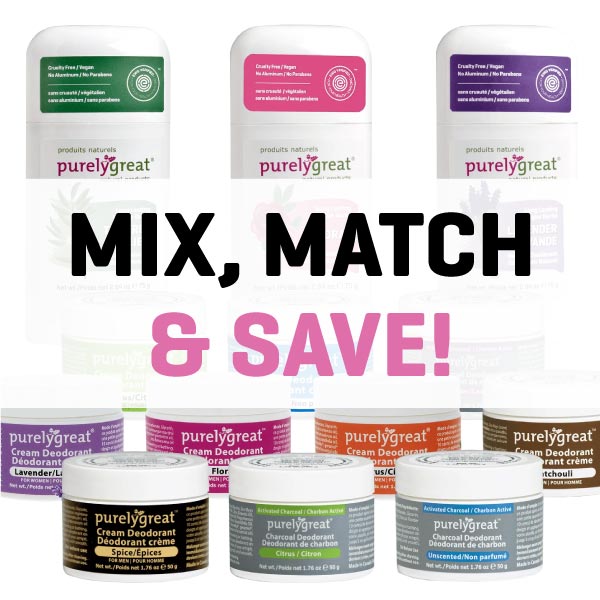
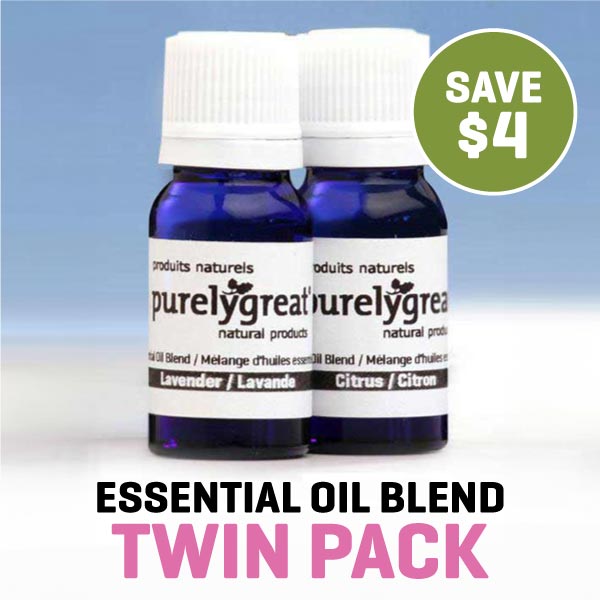
Purelygreat’s deodorants are made with a concise ingredient approach that aligns with what many ingredient-conscious shoppers want: aluminum free, paraben free, vegan friendly, cruelty free, and made in Canada. The deodorant formulas include ingredients such as coconut oil, candelilla wax in stick formulas, baking soda, corn starch powder, and essential oils in scented options, with an unscented option for those who want the most minimal scent experience. These kinds of ingredients are chosen to support odor control and everyday wear without the heavy feel many people associate with conventional products.
Different formats can also affect how much product ends up on fabric. A stick can be convenient and familiar, while a cream deodorant lets you control the amount more precisely. If you tend to get white streaks on dark shirts, a cream formula applied sparingly may help because you can work in a thinner layer with your fingertips.
The best formula depends on how you get dressed
If you usually put deodorant on and immediately pull on a fitted black shirt, almost any formula can leave a mark. If you have a few minutes between application and getting dressed, you give the product more time to settle.
If your wardrobe is full of lightweight athletic fabrics, silk-like blends, or clingy tops, you may prefer a lighter application and a formula that does not feel overly waxy. If you live in cotton basics and looser layers, you may have more flexibility.
How to apply natural deodorant without staining clothes
The way you apply deodorant has a bigger impact than most people realize. More product does not usually mean better performance. In fact, it often means more transfer.
Start with clean, dry underarms. This gives the deodorant a better surface to sit on and helps prevent it from mixing immediately with leftover moisture. With a stick, use just a few light swipes rather than coating the area repeatedly. With a cream, a small amount is usually enough for each underarm.
Then give it a minute or two before getting dressed. This step is especially helpful if your product contains oils, waxes, or powders that need a little time to absorb. If you notice streaking on dark clothing, gently rubbing in any visible excess can make a big difference.
Less product usually looks better on fabric
A common mistake with natural deodorant is applying it like an antiperspirant. Because the goal is odor control rather than sweat blocking, you do not need a thick layer. A thin, even application is often the sweet spot for both comfort and cleaner clothes.
If you’re switching from conventional formulas, it may take a little trial and error to find the right amount. Once you do, you’ll usually notice fewer marks on shirts and less product buildup in the underarm area.
Clothing colors and fabrics change the equation
Dark fabrics show white residue faster. White fabrics tend to reveal yellowing or dull underarm areas over time. Synthetic materials can also hold onto both odor and product in a way that natural fibers sometimes do not.
That doesn’t mean you need a different deodorant for every shirt in your closet. It just means expectations should be realistic. A deodorant that looks nearly invisible on a loose gray cotton tee may still leave a faint streak on a fitted black tank if you get dressed too quickly.
For delicate or tight-fitting clothes, applying a little less product is often the easiest fix. You can also put on deodorant first, finish the rest of your routine, and then get dressed once the product has had time to settle.
If your clothes already have deodorant marks
Even a good formula can leave buildup over time, especially on frequently worn basics. If you already have staining, the key is to treat it early and gently. Rubbing a fresh mark with a dry cloth can sometimes lift surface residue before it sets. For older buildup, washing sooner rather than later usually works better than letting it accumulate through several wears.
It also helps to rotate shirts and wash athletic fabrics regularly. Deodorant, sweat, and detergent residue can all collect in the same area, and that combination is often what makes underarms feel stiff or look discolored.
Choosing the right scent and format for everyday wear
When people think about natural deodorants that don’t stain clothes, they often focus only on marks. But the right choice is also about whether you will enjoy using it every day. A deodorant can have a clean ingredient profile, but if you dislike the texture or scent, you may overapply it or switch back and forth between products, which can make results feel inconsistent.
This is where having options matters. Some people like the ease of a stick, while others prefer the control of a cream. Some want lavender or citrus for a fresh routine, while others prefer unscented because it layers more easily with body care or fragrance. A charcoal cream option may also appeal to shoppers who want another texture within the same natural deodorant category.
The most useful approach is to choose a format that fits your routine and apply it in a measured way. That is usually more effective than chasing a formula that promises to do everything.
What “non-staining” really means
No deodorant can promise perfect invisibility on every fabric, every day, under every dressing routine. That is just not how personal care products work in real life. But some formulas are much easier to live with than others.
The best natural deodorants that don't stain clothes are usually the ones that balance odor control with a wearable texture, use straightforward ingredients, and let you apply only what you need. They do not leave you feeling coated, and they do not demand a complicated routine to avoid ruining a shirt.
If you are building a lower-toxin daily routine, this is one of those small upgrades that can make a big difference. A well-chosen natural deodorant should support your day, not show up on your clothes before you do. Start with a light application, give it a moment to absorb, and let your wardrobe tell you when you’ve found the right fit.