




Reading a deodorant label can feel simple until you flip the package over and meet a list of ingredient names that sound more technical than your morning routine. A good guide to deodorant ingredient labels should make that list easier to understand, not more confusing. If you want an aluminum-free deodorant that fits your wellness habits, knowing what each ingredient is doing can help you shop with more confidence.
For many people, the first thing they check is what is not in the formula. That matters, but it is only half the story. The better question is this: what is in the deodorant, and why is it there? Once you know how the ingredients work together, labels become much easier to read.
A practical guide to deodorant ingredient labels
Deodorant labels are easiest to understand when you stop reading them as a chemistry test and start reading them by function. Most ingredients fall into a few simple roles. Some help control odor. Some absorb moisture. Some create the texture that helps the deodorant glide on smoothly. Others add scent.
That means an ingredient list is not just a collection of names. It is a formula designed to help the product feel good to use every day while supporting odor control in a simple, aluminum-free format.
With natural deodorant, this matters even more because shoppers are often making a deliberate switch. They want cleaner personal care, but they still want performance. Reading the label with function in mind helps you tell the difference between a thoughtfully made formula and one that only sounds good on the front of the package.
What the main deodorant ingredients are doing
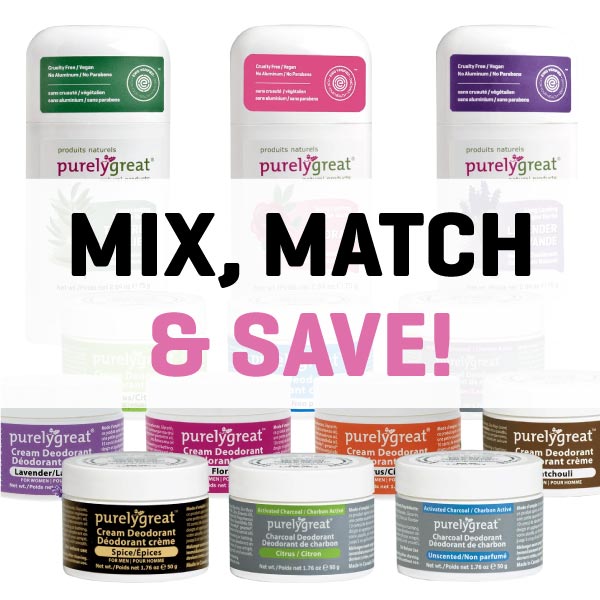
In Purelygreat deodorants, the ingredient list stays focused and purposeful. Across the different formats, you will see ingredients that support odor control, moisture absorption, texture, and scent.
Baking soda is one of the key ingredients used for odor control. When people read a label, this is often one of the first ingredients they recognize. In a deodorant formula, it plays a practical role in helping manage underarm odor, which is why it is included across the product line.
Corn starch is another ingredient shoppers may notice. Its main job is to help absorb wetness and contribute to a drier feel. Deodorant is not the same as an antiperspirant, so it does not stop sweating. Instead, ingredients like corn starch help manage moisture in a way that supports daily comfort.
Coconut oil and shea butter are often part of the base of a cream or stick formula. These ingredients help create a smoother texture and make application feel more comfortable. They also help the product spread more evenly, which is one reason texture can vary from one deodorant format to another.
Candelilla wax helps give structure to stick formulas. If you have ever wondered why one deodorant feels firm and another feels more scoopable, ingredients like wax are a big part of the answer. A stick needs to hold its shape, while a cream can stay softer by design.
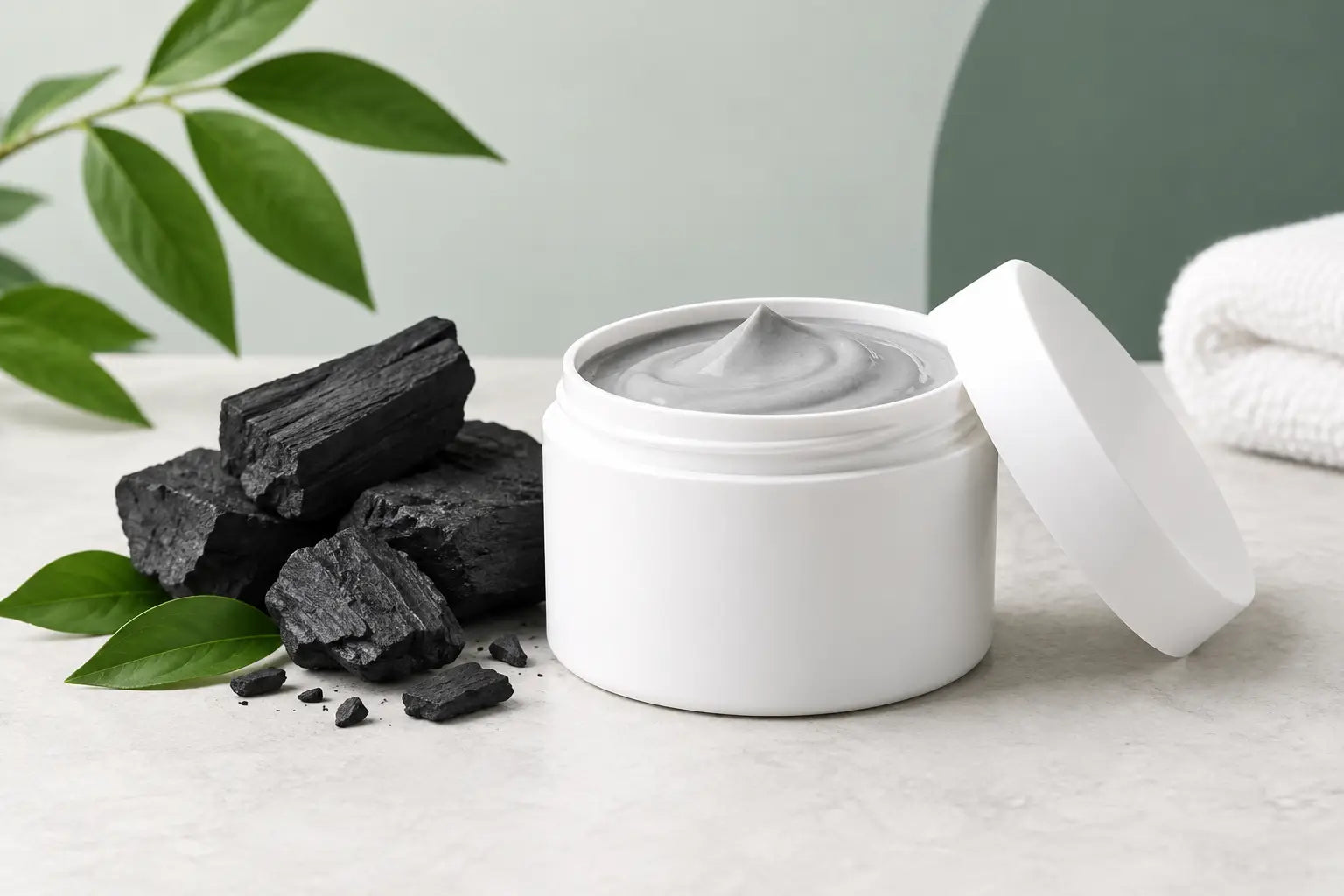
Some formulas also include activated charcoal. In charcoal cream deodorants, this ingredient is part of what makes that format distinct. Reading the label helps you spot these differences quickly, especially if you are deciding between a classic cream and a charcoal cream.
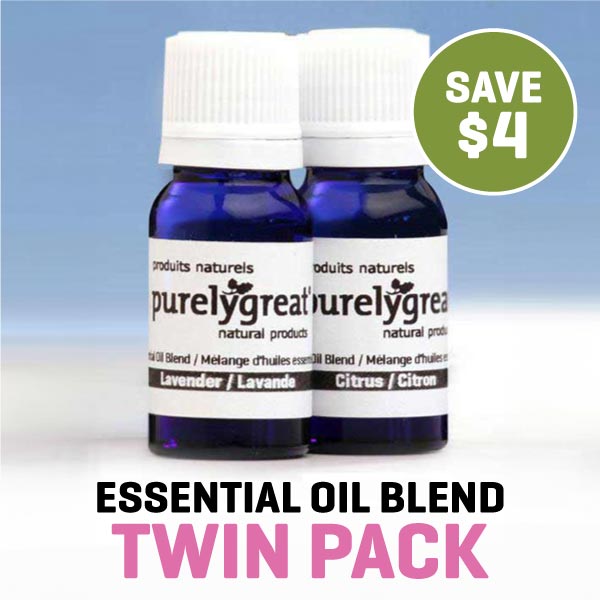
Essential oils are what create the scent in varieties like lavender, tea tree, citrus, floral, patchouli, and spice. If you choose unscented, you are choosing the most minimal scent profile, which can be helpful if you prefer a simpler formula experience. The trade-off is not about effectiveness. It is simply about whether you want added fragrance from essential oils.
How to read ingredient labels by format
One of the easiest ways to use a guide to deodorant ingredient labels is to compare labels by product type. A stick, a cream, and a charcoal cream may all be aluminum-free deodorants, but they are built a little differently.
A stick deodorant is usually designed for quick, familiar application. When you read that label, expect to see ingredients that create firmness and glide, such as candelilla wax alongside oils, butters, baking soda, and corn starch. This is often the best fit for someone who wants a straightforward swipe-and-go routine.
A cream deodorant tends to have a softer texture. The label may look similar in many ways, but the balance of ingredients is what creates that creamier feel. This format can appeal to shoppers who want more control over how much product they apply.
A charcoal cream deodorant adds another layer to the label conversation because activated charcoal becomes part of the formula story. If you are comparing cream options, this is one of the clearest differences you will see on the ingredient list.
This is why reading labels matters. Two deodorants can both be clean, aluminum-free, and wellness-minded, while still offering a different user experience.
What ingredient order can tell you
Ingredient order matters because labels usually list ingredients from highest amount to lower amount. You do not need to memorize every rule to get value from this. Just know that ingredients near the top usually make up more of the formula than ingredients near the end.
That helps when you are comparing products. If a label leads with base ingredients that shape texture and application, and then includes odor-control and scent ingredients, you can start to understand how the formula is built. You are not just seeing what is included. You are seeing the priorities of the product.
That said, ingredient order does not tell you everything. It does not instantly reveal how a deodorant will feel on your skin or how it will fit into your routine. The full formula matters, and so does the format you prefer.
Claims on the front, facts on the back
A lot of shoppers start with the front label. That makes sense. It is where you will see clear, practical markers like aluminum free, paraben free, vegan friendly, cruelty free, made in Canada, and EWG Verified.
Those trust signals can help you narrow your options quickly. But the ingredient list on the back is where you confirm what kind of formula you are actually buying. Think of the front as the headline and the ingredient panel as the details.
This is especially useful if you are trying to build a more conscious routine. A deodorant can align with your preference for aluminum-free personal care and still come in different scent and texture options. The ingredient label helps you choose the one that fits your daily habits best.
Common label questions shoppers ask
A lot of confusion comes from expecting one ingredient to tell the whole story. In reality, deodorant performance comes from how ingredients work together.
If you are wondering what helps with odor, look for ingredients like baking soda. If you are wondering what supports a drier feel, corn starch is one ingredient to notice. If you are interested in texture and application, look at the oils, butters, and waxes. If scent matters to you, the essential oil blend will shape that experience.
It also helps to remember that a shorter ingredient list can feel easier to understand, but short does not automatically mean better for every person. The best label is the one that clearly shows you what the formula is designed to do.
Using this guide to deodorant ingredient labels when shopping
The easiest way to shop smarter is to match the ingredient label to your priorities. If you want the most minimal scent experience, unscented may be the right place to start. If scent is part of your routine, lavender, tea tree, citrus, floral, patchouli, or spice can give you more personality without changing the core idea of an aluminum-free deodorant.
If convenience matters most, a stick format may feel familiar. If you prefer a softer texture, a cream may be a better fit. If you are curious about a formula that includes activated charcoal, a charcoal cream gives you a distinct option to consider.
This is where ingredient literacy becomes practical. You are not reading labels to impress anyone. You are reading them so your deodorant choice feels easy, informed, and aligned with the kind of routine you want to keep.
For shoppers moving toward cleaner personal care, that kind of clarity goes a long way. Once you know how to read the label, choosing a deodorant becomes less about guesswork and more about finding a formula you will actually feel good using every day.