




Sweat can be a normal part of a busy day, a workout, or a warm commute. The practical question is whether you want to manage wetness, underarm odor, or both. Understanding deodorant vs antiperspirant ingredients makes that choice much clearer, especially when you are building a personal care routine around transparent, aluminum-free formulas.
Deodorant and antiperspirant are often grouped together on the same store shelf, but they are made for different jobs. One focuses on odor. The other is designed to reduce perspiration. Neither choice has to be complicated, but the ingredient label tells you what the product is intended to do.
What Antiperspirant Ingredients Are Designed to Do
Antiperspirants use aluminum-based active ingredients, commonly aluminum salts, to temporarily reduce the amount of sweat that reaches the skin's surface. These ingredients are the defining difference between an antiperspirant and a deodorant. If aluminum salts are listed as active ingredients, the product is an antiperspirant.
Because antiperspirants are designed around wetness control, their labels typically separate active ingredients from inactive ingredients. The inactive portion may include ingredients that give the product its texture, help it glide on, carry fragrance, or keep the formula stable.
For some people, reducing underarm wetness is the main priority. That can make an antiperspirant a reasonable fit for certain days, such as a presentation, a formal event, or a long stretch in the heat. But if you are specifically seeking an aluminum-free daily option, a deodorant is the category to explore.
How Deodorant Ingredients Work
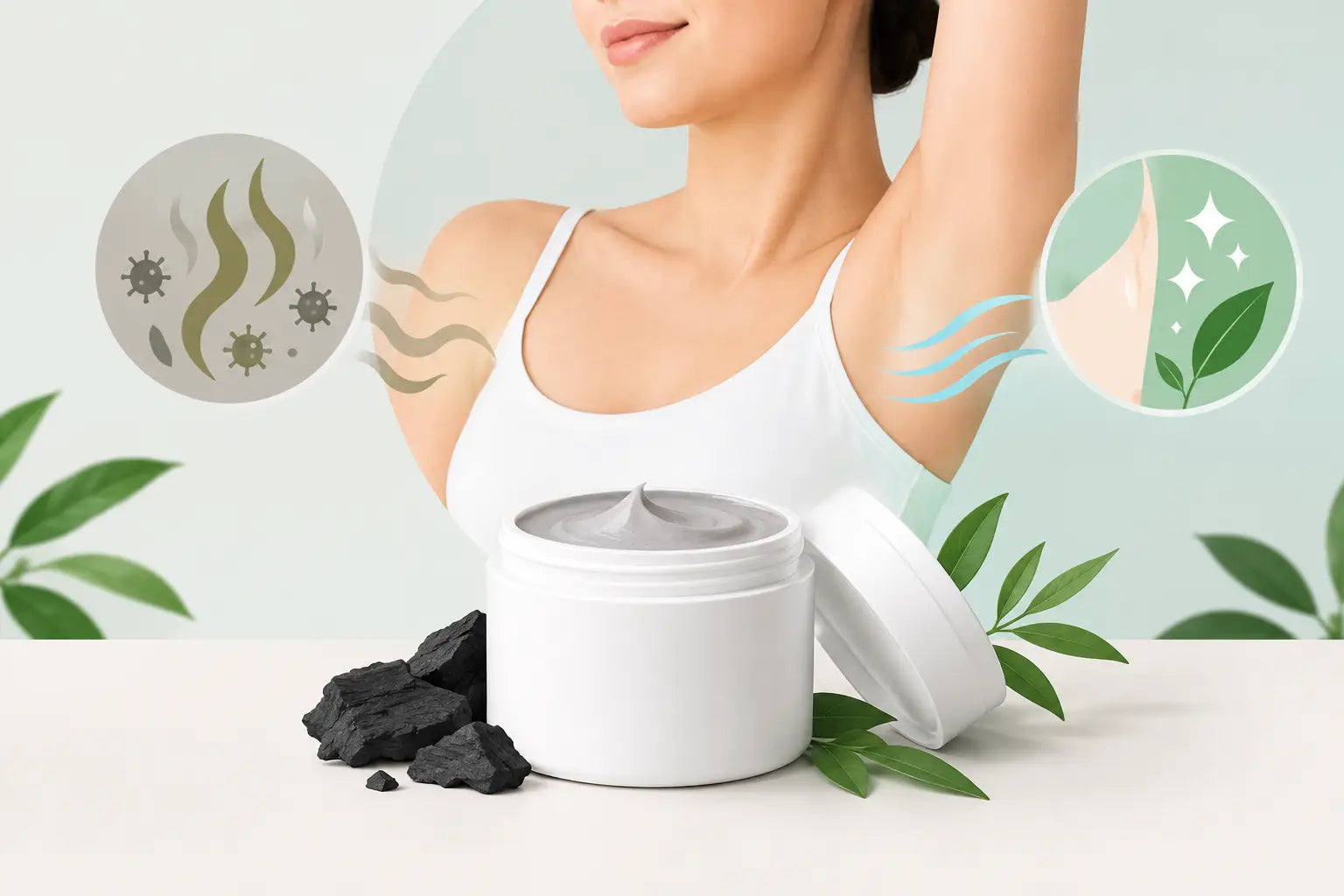
Deodorant does not aim to stop perspiration. Instead, it is formulated to help manage the odor that can develop when sweat interacts with the skin. A well-made deodorant can support everyday freshness while allowing your body's natural sweating process to continue.
The ingredient approach varies by formula and format. Purelygreat deodorants use baking soda and corn starch in their deodorant formulas. Baking soda is included to help manage odor, while corn starch supports a comfortable, dry-feeling application. Plant-based butters and oils help create the smooth texture people expect from a stick or cream deodorant.
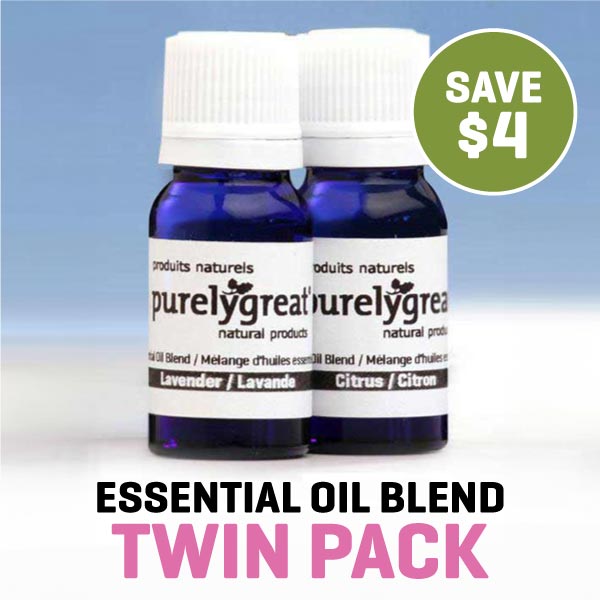
Scented options also use essential oil blends to create a fresh, personal experience. Unscented options keep the routine simple for people who prefer no added fragrance experience. The choice between scented and unscented is about preference, not performance alone.
Why format changes the feel, not the goal
A stick deodorant is convenient for quick, familiar application. Its solid format is made to glide directly onto clean, dry underarms, making it an easy choice for gym bags, workdays, and travel.
Cream deodorant offers a different application experience. It is applied with clean fingertips, allowing you to use the amount that feels right for you. Shea butter contributes to the soft, spreadable texture of cream deodorant formulas.
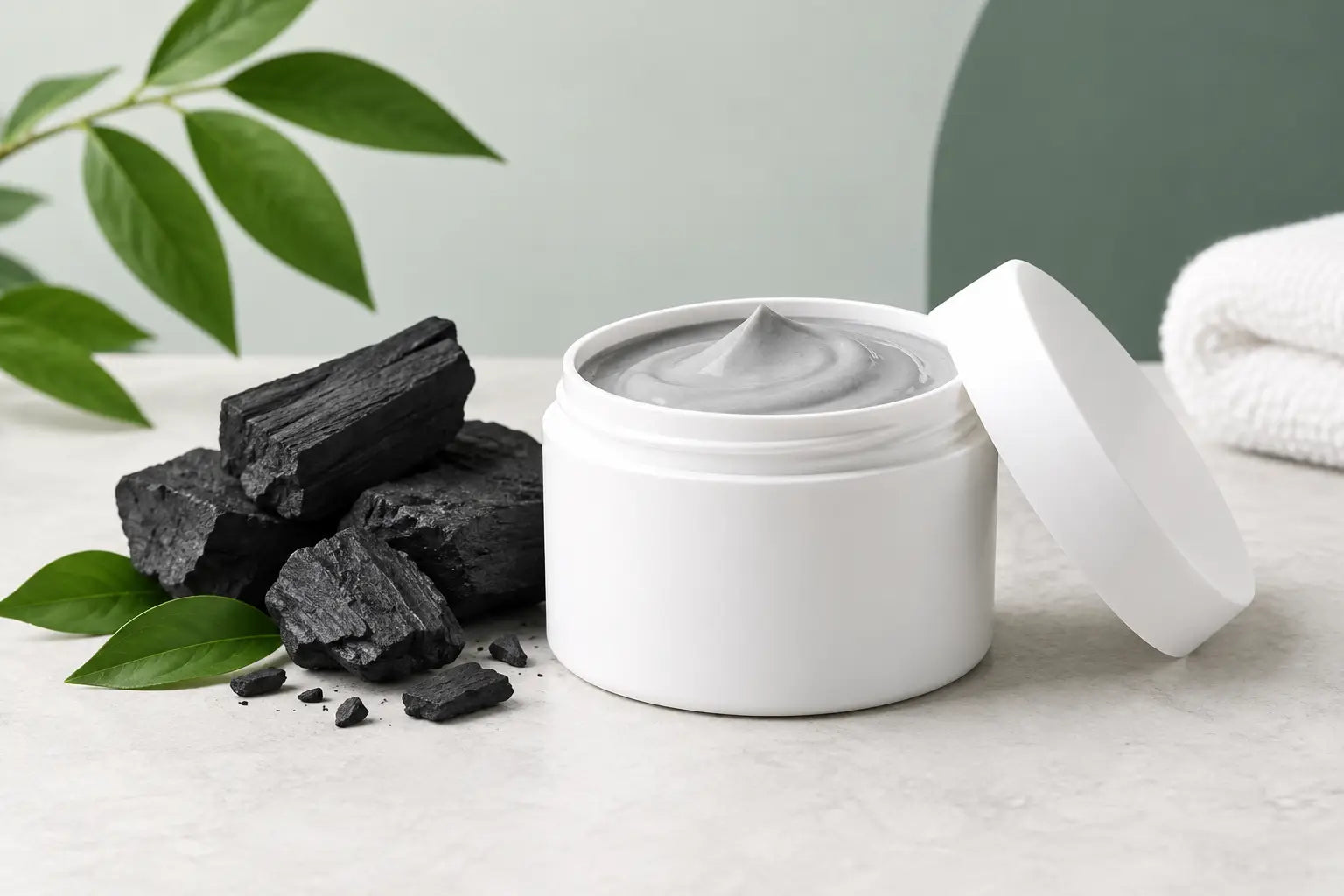
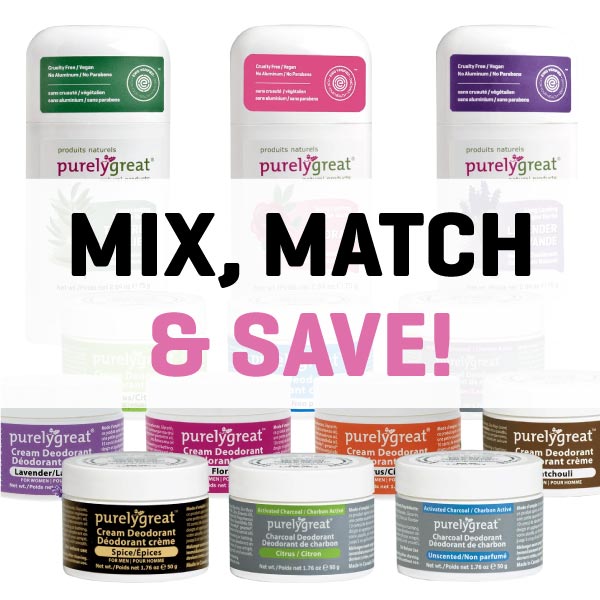
Charcoal cream deodorant adds activated charcoal to the cream format. It is available in Unscented, Lavender, and Citrus, while the cream deodorant range also offers Floral, Patchouli, and Spice. The stick deodorant range includes Unscented, Lavender, Tea Tree, Floral, and Spice. Every format is made for all genders, so selecting one comes down to texture and scent preference.
Deodorant vs Antiperspirant Ingredients: The Main Differences
The simplest distinction is this: antiperspirant ingredients are centered on aluminum salts for wetness reduction, while deodorant ingredients are centered on odor management. That difference affects what you should expect after application.
With an antiperspirant, the goal is less visible or noticeable perspiration. With an aluminum-free deodorant, you may still sweat, particularly during exercise or hot weather, but the product is intended to help you stay fresh. If your expectation is that deodorant should perform exactly like an antiperspirant, the switch can feel confusing at first. It helps to choose based on the result you actually want.
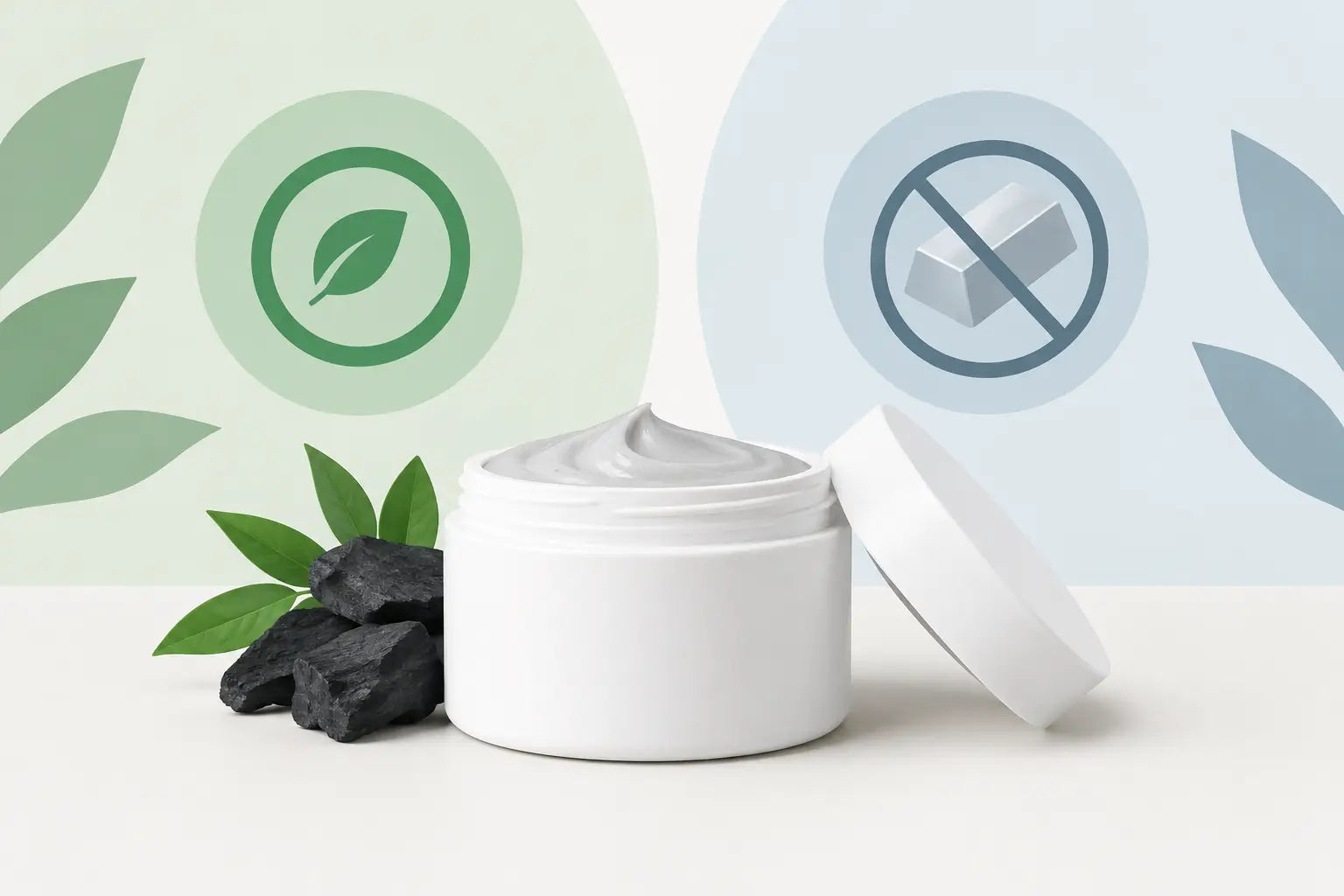
Ingredient labels also reflect a brand's formulation priorities. For shoppers who want to avoid aluminum and parabens, deodorant provides a straightforward category to consider. Purelygreat is EWG Verified, aluminum free, paraben free, vegan friendly, cruelty free, and made in Canada, with ingredient transparency at the center of the product experience.
What to Look for on the Label
Start with the product category. If the label says antiperspirant, look for aluminum-based active ingredients. If the label says deodorant and you want an aluminum-free option, confirm that aluminum salts are not present.
Next, look at the full ingredient list rather than relying on a front-label phrase alone. A clear ingredient list helps you understand what creates the product's texture, scent, and odor-control function. This is especially useful when comparing a stick with a cream or charcoal cream format.
Then consider fragrance in a practical way. Lavender, Citrus, Floral, Tea Tree, Patchouli, and Spice each bring a different feel to your routine. An unscented deodorant can be a good match when you prefer your deodorant to stay in the background or do not want it to compete with a favorite essential oil blend or personal fragrance.
Finally, consider how the product fits into your day. A recyclable plastic stick may be the easiest option for application away from home. A cream formula may appeal if you like a more hands-on routine and a soft texture. The best format is the one you will enjoy using consistently.
Making the Switch From Antiperspirant to Deodorant
Switching products does not require a dramatic routine overhaul. Begin by applying deodorant to clean, dry underarms and give it a few moments to settle before getting dressed. Use an amount that feels comfortable for your preferred format, and reapply when your day calls for it.
It is also helpful to set realistic expectations. Deodorant is not designed to block sweat, so a warm afternoon or high-energy workout may still come with moisture. That does not mean your deodorant is failing. It means you are using a product built to address odor rather than perspiration.
If you are new to aluminum-free deodorant, try one scent or an unscented option first, then explore other formats once you know what application style you prefer. A value pack can also make it easier to keep one deodorant at home, one in a bag, and one ready for your next routine reset.
Choose the Ingredients That Match Your Routine
There is no universal winner in the deodorant versus antiperspirant decision. It depends on whether wetness reduction or aluminum-free odor management matters more to you on a given day. Reading the ingredient label puts that decision back in your hands.
For a daily routine built around effective aluminum-free natural deodorant, choose a format and scent that feels good to use. Small, repeatable choices can make conscious personal care feel simple, practical, and genuinely personal.