



Most people do not start shopping for deodorant because they want a philosophy lesson. They start because their current product is no longer a fit. Maybe they want to avoid aluminum. Maybe they care more about ethical product standards. Maybe they are simply tired of choosing between ingredient transparency and everyday performance. That is exactly why cruelty free deodorant brands matter - not as a trend, but as a practical part of a cleaner daily routine.
If you are comparing options, the smartest approach is not to stop at the cruelty-free label. A better deodorant choice usually comes down to how clearly a brand explains its formulas, whether it offers a format that fits your routine, and whether the product feels easy to use every day. For many shoppers, that mix of ethics, simplicity, and effectiveness is what makes a brand worth sticking with.
What to look for in cruelty free deodorant brands
Cruelty free is often one of the first filters people apply, and for good reason. It reflects a broader buying mindset. People who care about animal welfare also tend to care about ingredient transparency, cleaner formulas, and brands that make everyday wellness feel straightforward rather than complicated.
Still, cruelty free on its own does not tell you everything. Some deodorants feel great in theory but are hard to wear consistently. Others sound natural but leave shoppers guessing about what is actually inside. A better option is a brand that pairs ethical standards with product clarity.
That means looking closely at the basics. Is the deodorant aluminum free? Is it paraben free? Is it vegan friendly? Are the ingredients easy to find and understand? Does the brand offer more than one format, so you can choose what actually works for your body and your routine? Those details matter because deodorant is not an occasional product. It is something you use every day, often without much margin for error.
Why format matters as much as the label
One mistake shoppers make when comparing cruelty free deodorant brands is assuming all natural deodorants wear the same way. They do not. Format changes the experience quite a bit.
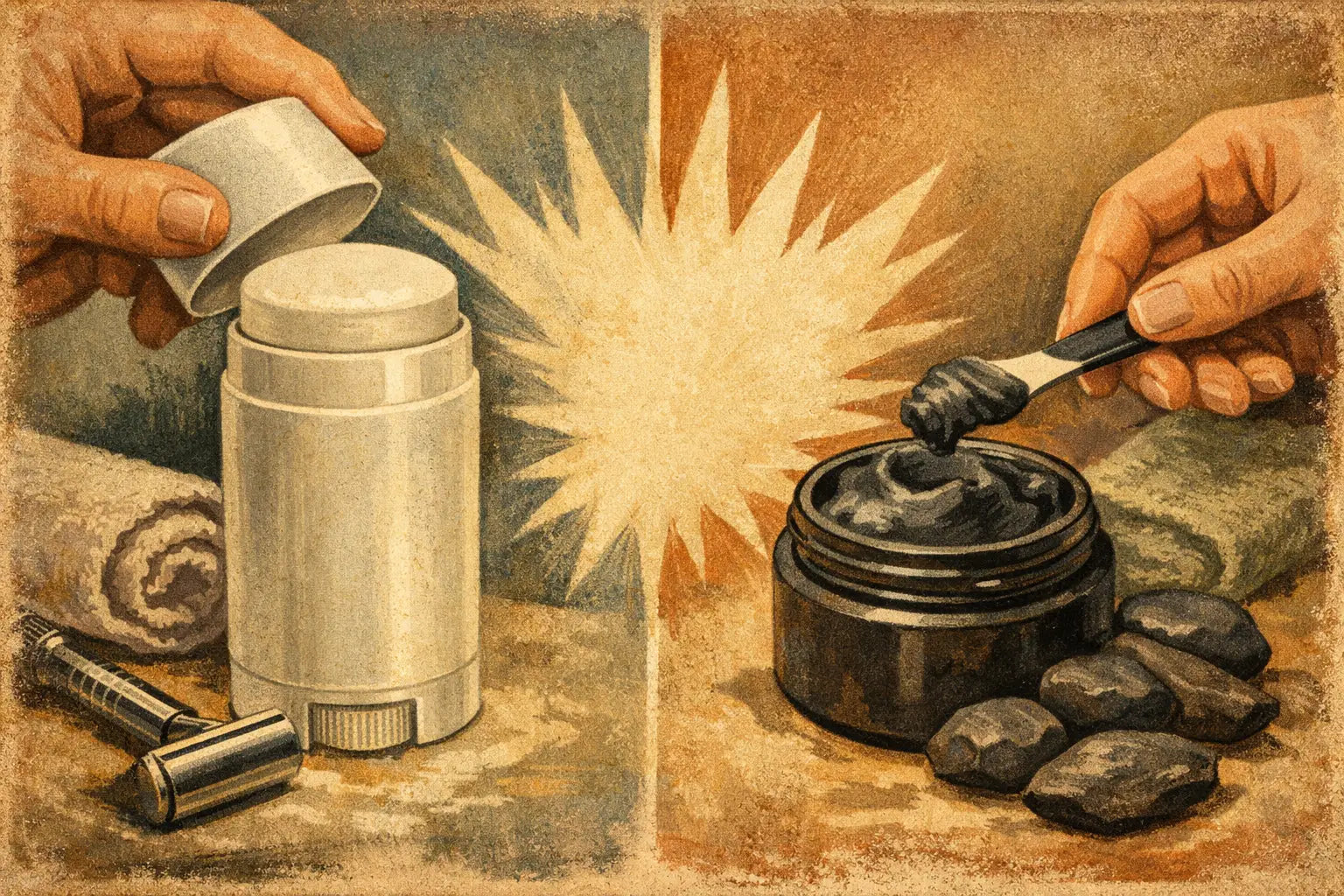
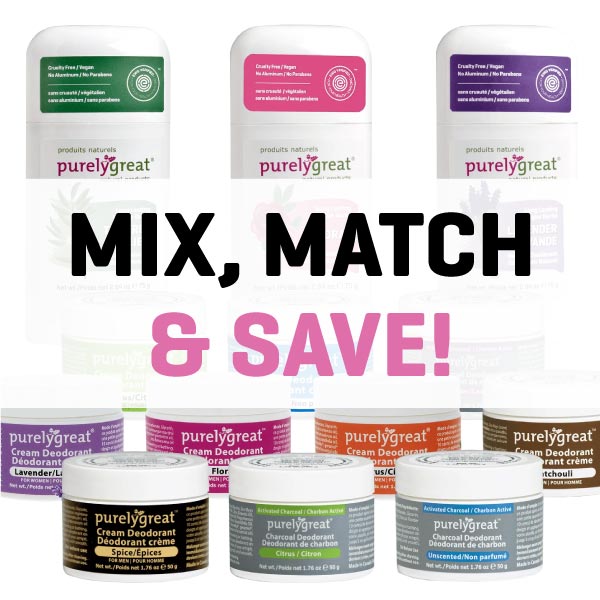
A stick deodorant is often the easiest transition for someone moving from a conventional product. It is familiar, fast to apply, and simple to keep in a gym bag or travel kit. If your routine is busy and you want something low effort, a stick can feel like the most natural place to start.
A cream deodorant gives you a different kind of control. Some people prefer applying a smaller, more precise amount and like the feel of a cream formula as part of a more intentional personal care routine. It is a good fit for shoppers who are already comfortable reading ingredient labels and want a product that feels a little more tailored.
Charcoal cream deodorant appeals to people who want the same hands-on cream format with charcoal included in the formula. For some shoppers, that makes it a strong option within a natural wellness routine that already leans toward simple, thoughtfully chosen ingredients.
None of these formats is universally better. It depends on how you get ready, what feels convenient, and what you are most likely to use consistently. The best deodorant is usually the one that fits your life well enough to become automatic.
Ingredients should feel clear, not mysterious
A lot of trust is built at the ingredient level. When shoppers look at cruelty free deodorant brands, they are usually asking a bigger question underneath: can I understand what I am putting on my body every day?
That is where clean-label thinking becomes useful. Shoppers want recognizable ingredients and clear product standards, not vague promises. An aluminum-free deodorant that is also paraben free, vegan friendly, and EWG Verified gives people more confidence because the product standards are easy to understand at a glance.
Just as important, the brand should present its ingredients in a way that feels open and direct. There is a big difference between marketing language that sounds nice and product information that actually helps someone make a decision. When a brand is transparent about what is in its deodorant, it becomes easier to choose a scent, a format, and a routine without second-guessing every step.
For shoppers building a lower-toxin lifestyle, that clarity often matters more than hype. Deodorant is one of those daily-use products where people want fewer surprises and more trust.
Scent is personal, and that is a good thing
Scent can be the deciding factor, especially when the product itself already checks the bigger boxes. Many people looking at cruelty free deodorant brands want a formula that aligns with their values, but they also want something they will genuinely enjoy using.
That is why variety matters. Some people want an unscented option because they prefer the most minimal experience or do not want their deodorant competing with other products. Others want a scent that feels fresh, calm, bright, or earthy as part of their daily routine.
Lavender tends to appeal to shoppers who want something soft and familiar. Tea tree can feel especially clean and crisp. Floral offers a more classic everyday scent. Citrus often feels bright and energizing. Patchouli and spice can be a better fit for people who prefer deeper, warmer scent profiles.
This is where a well-built product line stands out. A brand that offers multiple scent options across stick, cream, and charcoal cream formats gives people room to choose based on preference, not just availability. That makes the shopping experience feel more personal and more practical.
The best cruelty free deodorant brands support everyday use
The strongest cruelty free deodorant brands usually do one thing very well: they make clean personal care feel realistic. Not perfect. Not performative. Just easy enough to keep going.
That matters because switching deodorant can feel like a bigger decision than it sounds. People are changing a daily habit, and often doing it while trying to align that habit with broader values around wellness, ingredient awareness, and lower-waste living. If a brand makes that switch feel confusing, expensive, or overly niche, many shoppers will give up before they find the right fit.
A better brand experience is simple. Clear product categories. Straightforward scent names. Obvious trust markers. A few formats to choose from. Packaging that feels practical and recyclable. Helpful information without making the customer work too hard.
This is one reason shoppers often stay loyal once they find a deodorant that works for them. A product that fits into daily life without friction becomes part of a bigger routine. It is not just about odor care at that point. It is about feeling more comfortable with the products you keep in your bathroom every day.
How to choose the right option for your routine
If you are narrowing down cruelty free deodorant brands, start with how you actually live, not with what sounds most impressive on paper. If you want the easiest transition, a stick format usually makes sense. If you prefer a more hands-on application style, a cream deodorant may feel like a better fit. If charcoal is part of what you are looking for, a charcoal cream format gives you that option.
Then think about scent in a realistic way. If you are unsure, unscented is often the simplest place to begin. If you enjoy a little personality in your products, choose a scent family that already fits the rest of your routine. Bright scents like citrus feel very different from warm scents like spice or patchouli, and that preference matters more than people sometimes expect.
Finally, look for a brand that gives you confidence in the full picture. Ethical standards matter. Ingredient clarity matters. Product variety matters. So does ease of use. A deodorant can align with your values and still need to work on an ordinary Tuesday morning.
For shoppers in the US and Canada who want a more natural personal care routine, Purelygreat is a good example of how those priorities can come together. The line includes aluminum-free deodorants in stick, cream, and charcoal cream formats, with options like lavender, tea tree, floral, citrus, patchouli, spice, and unscented. The products are vegan friendly, cruelty free, paraben free, EWG Verified, and made in Canada, which gives customers a cleaner, more grounded way to shop for deodorant without turning the process into a research project.
A good deodorant should make your routine feel simpler, not more complicated. When cruelty-free standards come together with clear ingredients, practical formats, and scents you actually want to wear, choosing better becomes much easier.