




A clean routine does not need a bathroom overhaul. For most people, the best clean routine starter kit examples begin with one product you use every day, and deodorant is usually the most practical place to start. It is a simple switch, easy to stay consistent with, and it can set the tone for a more thoughtful personal care routine built around ingredient transparency and everyday comfort.
If you are trying to make that first change without overbuying, the smartest approach is to build your kit around how you actually live. Some people want the fewest steps possible. Others want scent variety, gym convenience, or a low-waste rhythm that feels realistic. The point is not perfection. The point is choosing products you will keep using.
What makes a clean routine starter kit work
A useful clean routine starter kit should feel easy on day one and sustainable by week three. That usually means starting with one dependable deodorant format, one scent direction you will genuinely enjoy, and only a few supporting items that fit your habits.
For many shoppers, aluminum-free deodorant is the anchor product because it sits at the intersection of wellness values and daily performance. If you are reading labels more carefully, looking for vegan-friendly options, or trying to move toward a lower-toxin routine, deodorant is one of the clearest categories to reassess.
It also helps to keep expectations practical. A starter kit is not meant to cover every possible need. It is meant to remove decision fatigue. When your routine feels simple, you are more likely to stick with it.
Clean routine starter kit examples for real life
1. The simplest first-switch kit
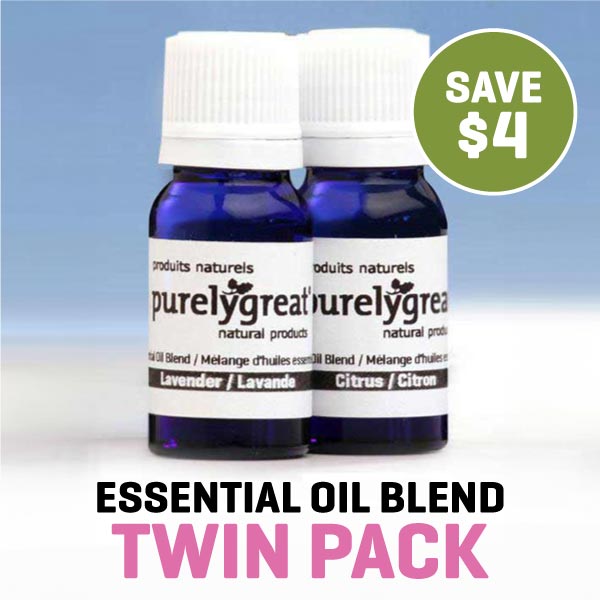
This is the best place to start if you are moving away from a conventional deodorant and want the least complicated option. Choose one stick deodorant in an unscented formula and pair it with one everyday wellness item you already know you will use, such as an essential oil blend for your space or evening routine.
The appeal here is consistency. A stick format feels familiar, applies quickly, and works well for busy mornings. Unscented can also be a comfortable entry point if you do not want your deodorant scent competing with other products in your routine.
This kind of kit works especially well for minimalists, first-time switchers, and anyone who wants to keep the focus on building a new habit instead of testing multiple products at once.
2. The scent-led morning routine kit
Some people stay loyal to a product because they love how it feels. Others stay loyal because they love how it smells at 7 a.m. If scent helps you look forward to your routine, build your starter kit around that.
A stick deodorant in lavender, floral, spice, or tea tree can make your morning feel more intentional without adding more steps. Add one complementary essential oil blend for a diffuser, pulse-point use, or a wind-down moment later in the day, and your clean routine starts to feel cohesive rather than clinical.
The trade-off is personal preference. A scent-led kit is motivating, but it only works if you choose a profile you truly enjoy every day. If you like variety, this may be better as a two-scent kit rather than a one-scent commitment.
3. The gym bag starter kit
Not every clean routine happens at home. If you go from work to the gym, from errands to pickup, or from a commute to a workout class, portability matters.
A practical kit here starts with a stick deodorant for easy reapplication and a second deodorant kept in your gym bag, desk drawer, or travel pouch. Some people prefer keeping the same scent in both places so the routine feels automatic. Others like one scent for home and one for on-the-go.
This is one of the most functional clean routine starter kit examples because it removes friction. You are not trying to remember where your deodorant is, and you are not carrying your whole routine around with you. You are simply building access into your day.
4. The home-and-travel kit
If you travel often, even short weekend trips can throw off a new routine. A clean starter kit that works both at home and away is usually worth more than a larger setup that only works in your bathroom.
A good version of this kit includes one full-time deodorant for daily use and one backup format for travel. For some people, that means keeping a stick at home and a cream deodorant packed for trips. For others, it is the reverse, depending on what feels easiest to apply in different settings.
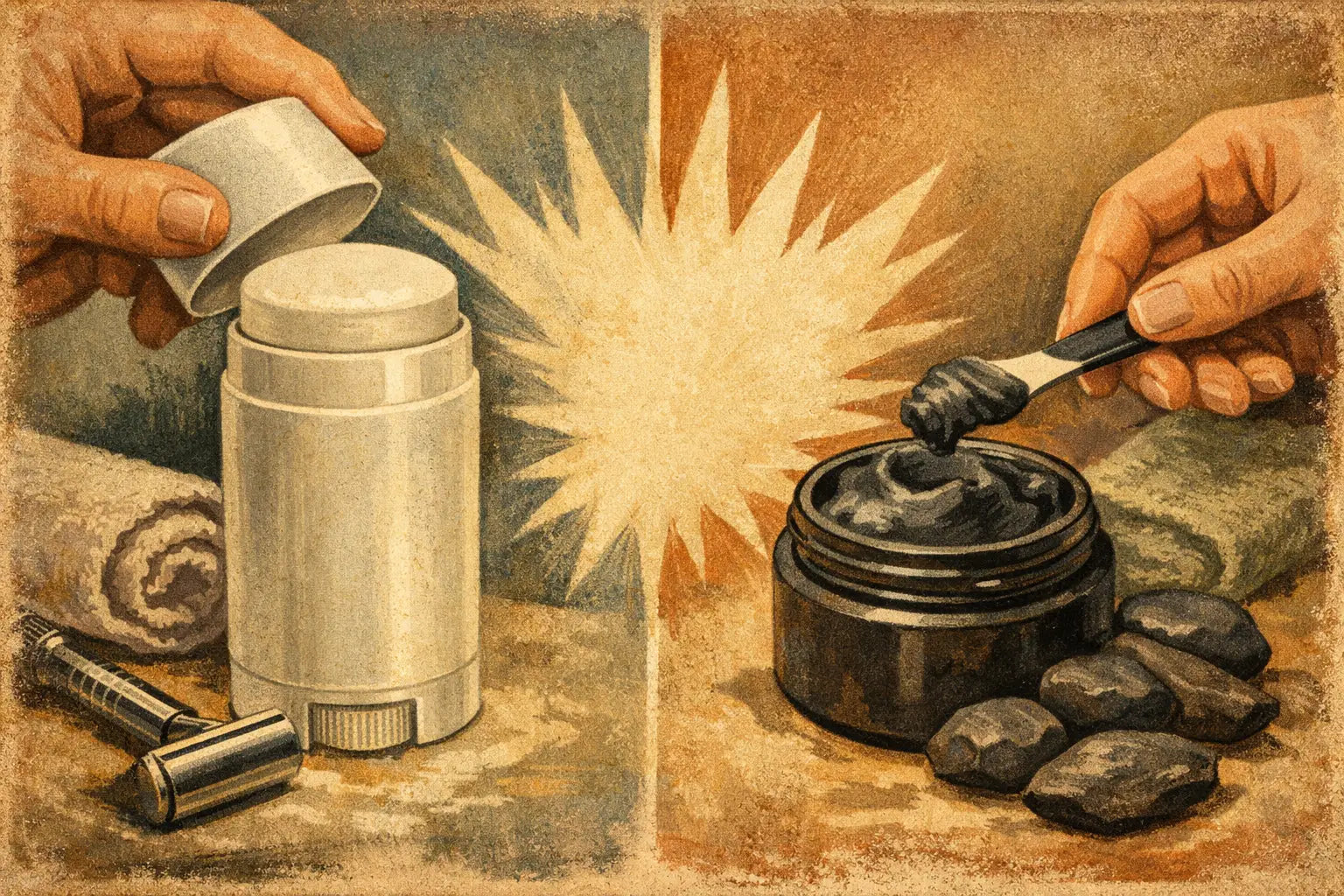
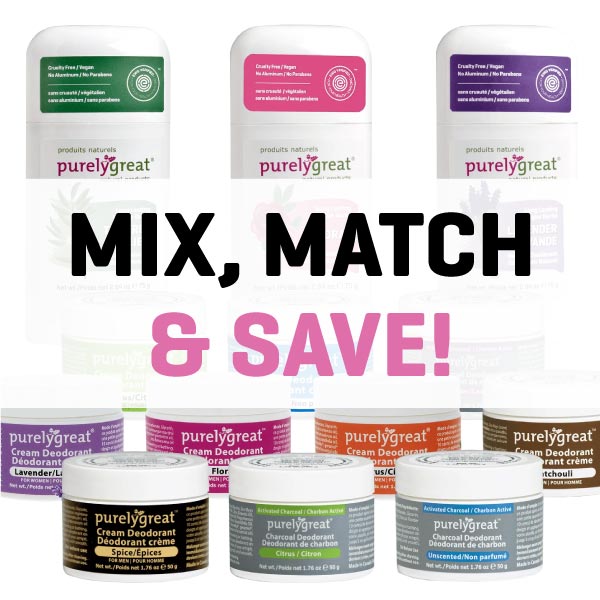
This is where format preference matters. Stick deodorants are often the easiest for quick application, while cream deodorants can appeal to shoppers who want a more hands-on routine. Charcoal cream deodorant may also be part of the mix if that format fits your preferences. The best choice depends less on trends and more on what you will actually reach for consistently.
5. The low-waste habit-building kit
A cleaner routine is often tied to broader lifestyle goals. You may be trying to simplify what you buy, cut back on unnecessary extras, or choose products that align better with your environmental values.
For that kind of shopper, the right starter kit is not the one with the most items. It is the one with the least wasteful buying pattern. Start with one deodorant you can use daily, then add only what fills a real gap in your routine. If you like planning ahead, a value pack can make sense because it reduces last-minute purchases and keeps your routine stable.
Eco-friendly, recyclable plastic packaging can fit well into this kind of setup because it supports a more considered routine without making the process feel complicated. The key is restraint. A low-waste kit should reduce clutter, not create a new version of it.
6. The scent-discovery starter kit
Sometimes the barrier to switching is not the formula. It is uncertainty about fragrance. You may know you want an aluminum-free deodorant, but you may not know whether your everyday scent is citrus, lavender, floral, tea tree, patchouli, spice, or unscented.
In that case, your starter kit should be built around discovery. Choose two deodorants in different scent families so you can compare what feels freshest, most grounding, or most neutral in daily wear. This gives you a better read on your preferences than trying to guess from a product page.
The only caution here is not to overdo it. A discovery kit should still feel curated. Two options are usually enough to learn what you like without turning your routine into a testing project.
7. The wellness-first daily kit
Some shoppers want their routine to feel connected from morning to evening. If that is you, build your kit around one deodorant and one supporting product that helps create a calm, steady rhythm during the day.
A deodorant in a scent that fits your pace, such as lavender for a softer feel or citrus for a brighter start, can pair naturally with an essential oil blend used later in the evening. This creates a routine that is still very simple but feels more personal and complete.
Purelygreat fits especially well here because the brand treats deodorant as the start of a broader natural lifestyle rather than a one-off product purchase. That matters if you want your routine to feel connected, not random.
How to choose the right deodorant for your starter kit
The most important decision is usually format. If you want familiarity and speed, a stick is the easiest place to begin. If you prefer a more hands-on application style, a cream deodorant may feel like a better fit. If you are curious about charcoal cream deodorant, the deciding factor should be whether that format suits your daily habits, not whether it sounds more advanced.
Then choose your scent with honesty. A starter kit should fit your real life, not your aspirational self. If you know you enjoy fresh, bright scents, citrus or tea tree may feel more natural. If you want something softer, lavender or floral may suit you better. If you prefer less fragrance in general, unscented keeps things minimal.
Finally, think about how many products you can realistically maintain. One deodorant is enough for many people. Two makes sense if you travel, work out, or want a backup. More than that is only useful if each item has a clear role.
What to avoid when building your first kit
The biggest mistake is building a routine for your best week instead of your normal one. If your mornings are rushed, do not choose a setup that depends on extra steps you already know you will skip.
It also helps to avoid buying by trend alone. A clean routine should reflect your values, but it also needs to function. EWG Verified, aluminum-free, paraben-free, vegan-friendly, cruelty-free, and made-in-Canada standards may matter to you, but the routine still has to feel easy enough to repeat.
And try not to confuse more products with a better system. A starter kit is supposed to simplify your choices. If you feel overwhelmed before the products even arrive, the kit is too big.
The best clean routine is usually the one that feels almost boring in its reliability. Start with the deodorant format and scent you will genuinely use, add only what supports your day, and let the routine grow from there.