




If you have ever turned over a deodorant or antiperspirant label and spotted aluminum near the top of the ingredient list, you are not alone in wondering what it is doing there. Aluminum in personal care products is one of the biggest reasons people start reading labels more closely, especially when they want a simpler daily routine and a more intentional approach to what goes on their skin.
For most shoppers, this question really comes down to one product category - underarm care. Aluminum is most commonly associated with antiperspirants, where it is used for a very specific purpose. That matters because many people use the words deodorant and antiperspirant as if they mean the same thing, when they actually do two different jobs.
What aluminum in personal care products actually does
In underarm products, aluminum compounds are generally used in antiperspirants to reduce wetness. They work differently from deodorants. A deodorant is designed to help manage odor, while an antiperspirant is made to limit perspiration.
That distinction is the starting point for almost every shopping decision in this category. If your main goal is staying drier, you may look at antiperspirants. If your main goal is odor control and a cleaner-feeling ingredient list, an aluminum-free deodorant may be the better fit.
This is also why label awareness matters. Two products can sit side by side in the same aisle and both be used under the arms, but their ingredient approach can be very different. One may rely on aluminum compounds to address sweat, while the other focuses on ingredients chosen to support odor control without aluminum.
Why shoppers pay attention to aluminum in personal care products
People switch away from aluminum for different reasons, and not all of them are the same. Some want fewer synthetic-sounding ingredients in their routine. Some prefer products that feel more aligned with a natural lifestyle. Others are trying to simplify what they use every day and feel better about the choices they make for themselves and their households.
There is also a trust factor. When shoppers become more ingredient-aware, they often want personal care products that are easier to understand. A shorter, more recognizable ingredient list can feel more approachable than one filled with technical names they have never seen before.
That does not mean every person wants the same thing. Some people are comfortable using antiperspirants. Others are specifically looking for aluminum-free options because that matches their wellness goals. In practice, the best choice depends on what you value most - reducing wetness, managing odor, keeping ingredients simple, or balancing all three as best you can.
Deodorant vs. antiperspirant: the difference matters
This is where confusion tends to happen. Many people say they want deodorant when what they really mean is any underarm product. But from a formulation standpoint, deodorant and antiperspirant are not interchangeable.
Antiperspirants are designed to control sweat. Deodorants are designed to address odor. If you choose an aluminum-free deodorant, you are not choosing a product intended to stop sweating. You are choosing a product that works on odor while allowing your body to perspire normally.
For some people, that feels like an easy trade-off. They are comfortable with natural sweating and mainly want dependable odor support. For others, especially in hot weather, high-stress settings, or intense workouts, the shift can take some adjustment because the experience is different from using an antiperspirant.
That is why realistic expectations are helpful. Switching to aluminum-free deodorant is not about pretending sweat does not happen. It is about choosing a different approach to daily underarm care.
What to look for in an aluminum-free deodorant
Once you decide to avoid aluminum, the next question is usually about what should be in the formula instead. Here, ingredient transparency matters more than trend language.
A well-made aluminum-free deodorant should clearly communicate what it is formulated to do and what is inside it. For many shoppers, that includes looking for products that are also paraben free, vegan friendly, and made with a clean-label mindset. EWG Verified is another trust signal that can help people feel more confident as they shop.
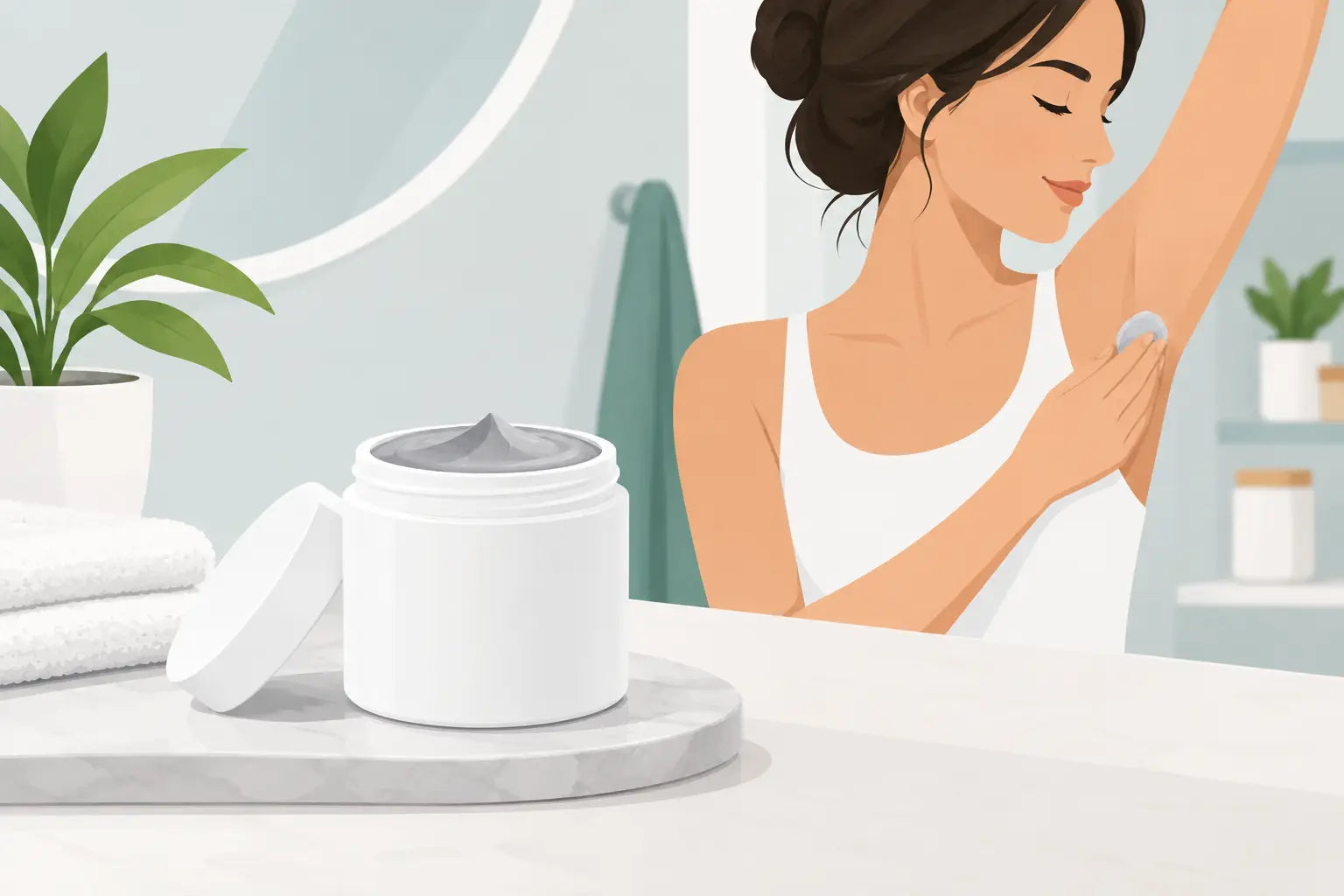
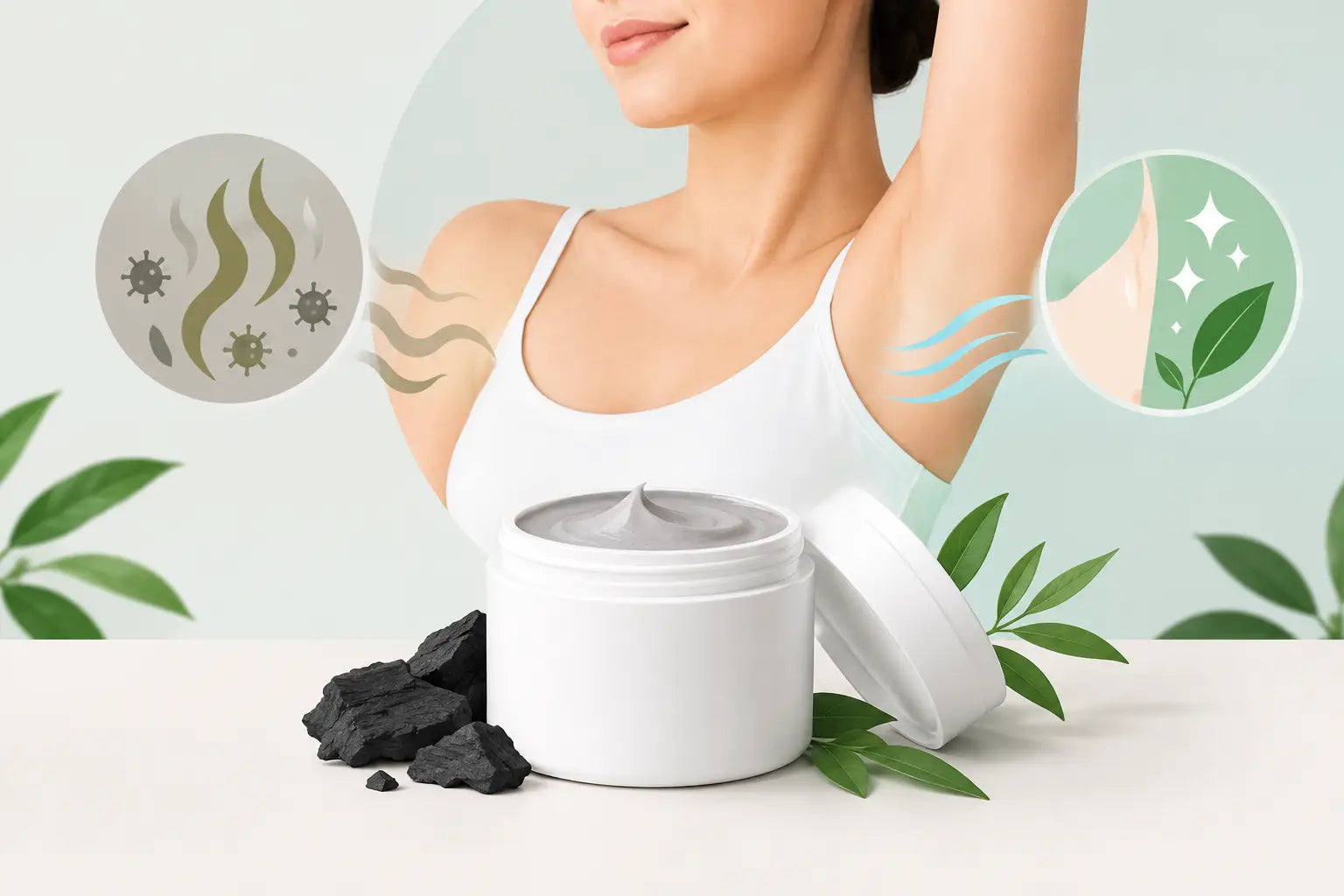
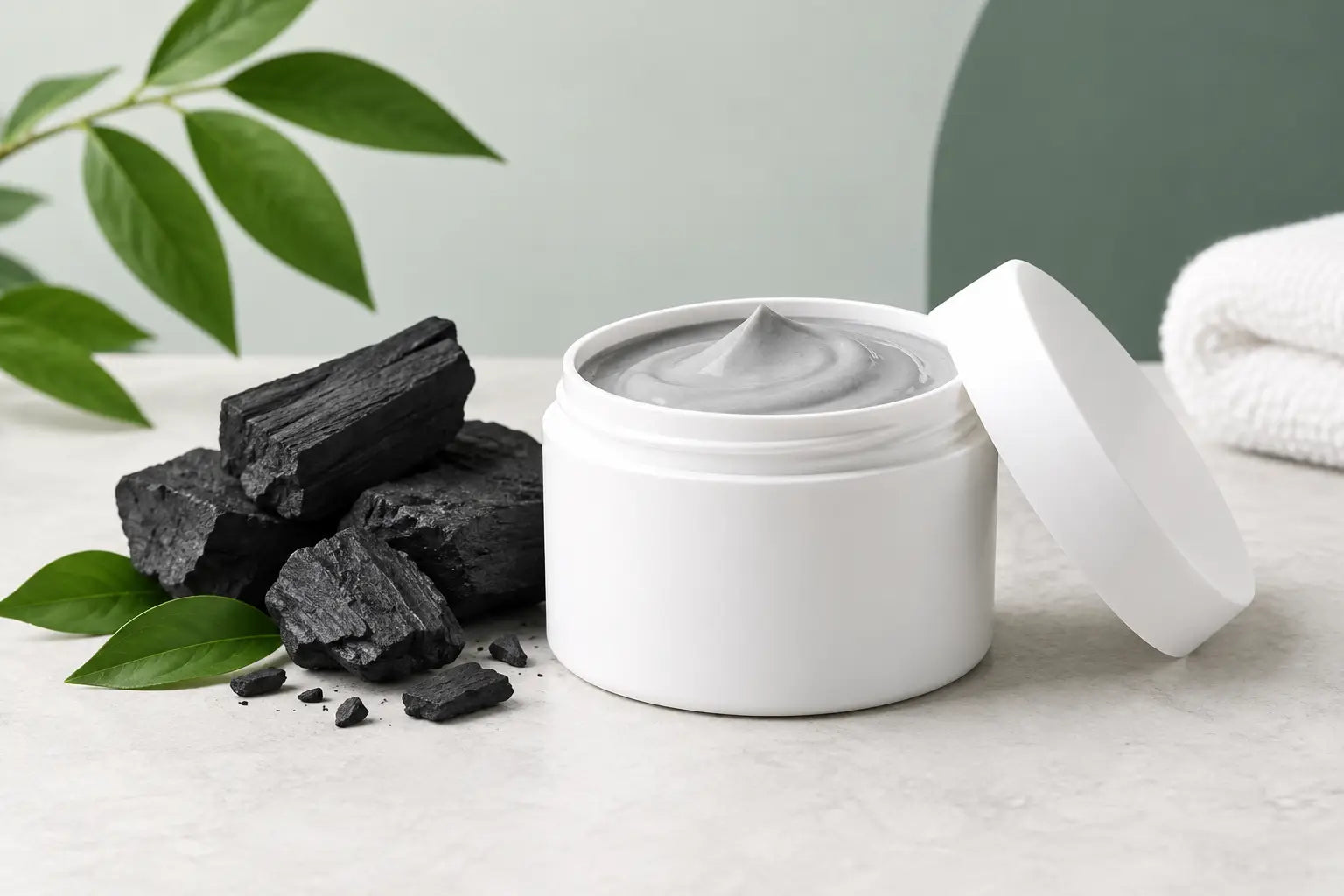
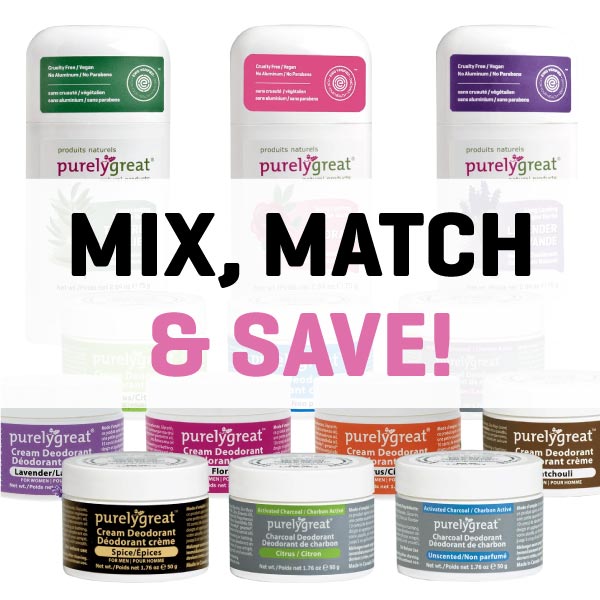
Texture and format matter too. Some people prefer a stick because it feels familiar and easy to apply. Others like a cream deodorant because it gives them more control over how much they use. Charcoal cream deodorant can also appeal to shoppers who want another texture option within an aluminum-free routine.
Scent is part of the experience as well. A product can be effective and still feel personal, whether you gravitate toward lavender, tea tree, floral, citrus, patchouli, spice, or an unscented option for a more minimal routine.
Why ingredient transparency builds confidence
When shoppers ask about aluminum in personal care products, they are often asking a bigger question underneath it: Can I trust what I am using every day?
That is where clear ingredient communication makes a real difference. It helps remove guesswork and makes the shopping process feel less overwhelming. Instead of sorting through broad marketing claims, you can focus on what the formula is meant to do and whether that aligns with your own priorities.
This is especially useful for people who are making their first switch from conventional underarm products. Moving to aluminum-free deodorant can feel like a bigger change than it sounds because it involves habit, comfort, and expectations. Brands that explain their ingredients and product formats clearly make that transition easier.
Is aluminum-free always the right choice?
It depends on what matters most to you. If your top priority is sweat reduction, you may still prefer an antiperspirant. If your top priority is avoiding aluminum and choosing a more natural-feeling product for odor control, then an aluminum-free deodorant is likely the better match.
There is no need to turn this into an all-or-nothing decision. Some people change over completely and never look back. Others use different products in different situations, depending on weather, activity level, or personal preference. What matters is understanding what the product is designed to do so your expectations stay grounded in reality.
That kind of clarity tends to lead to better choices and less frustration. A product works best for you when you are using it for the purpose it was actually made to serve.
Building a lower-toxin routine without overcomplicating it
For many shoppers, underarm care becomes the starting point for a broader clean personal care routine. That makes sense because deodorant is something you use every day, often without thinking much about it until you begin paying attention to ingredients.
Once you make that shift, the rest of your routine may start to change too. You may prefer products that feel simpler, more transparent, and more aligned with your values. That does not mean your bathroom shelf needs a complete reset overnight. Usually, it starts with one category where the difference between conventional and aluminum-free options is easy to understand.
That is part of why deodorant is such a common entry point. It is practical. It is personal. And it is one of the clearest examples of how ingredient choices can shape the kind of routine you want.
A brand like Purelygreat fits naturally into that shift by offering aluminum-free deodorant in multiple formats and scents, making it easier to choose a product that matches both your needs and your everyday habits.
How to shop smarter when you see aluminum on a label
If you are comparing underarm products, start by asking a simple question: Am I trying to control odor, reduce wetness, or both? That answer will help you tell whether you should be looking at deodorant or antiperspirant.
Next, read the front and back of the package together. Front-label language can give you the quick overview, but the ingredient list tells you more about the product approach. If you want to avoid aluminum, check for an aluminum-free formula and look for trust markers that support ingredient transparency.
Finally, choose a format you will actually enjoy using. A product can have all the right values on paper, but if the application style or scent does not fit your routine, it is less likely to become a lasting part of your day.
Cleaner personal care does not need to feel complicated. When you understand what aluminum in personal care products is doing, and where it matters most, you can shop with a lot more confidence and a lot less guesswork. The best routine is usually the one that feels clear, effective, and easy enough to stick with every day.